Nasal
The term Nasal refers to anything pertaining to the nose, a vital organ of the respiratory system responsible for air intake, filtration, and olfaction. Understanding its intricate structure and common conditions is crucial for maintaining overall respiratory health.
Key Takeaways
- The nose filters, warms, and humidifies inhaled air, and houses the sense of smell.
- Nasal congestion often stems from inflammation due to infections, allergies, or irritants.
- Nasal polyps are non-cancerous growths linked to chronic inflammation within the nasal passages.
- Managing congestion and polyps involves addressing underlying causes and using specific treatments.
- Nasal dryness can be alleviated with humidifiers, saline sprays, and adequate hydration.
What is Nasal Anatomy and Function?
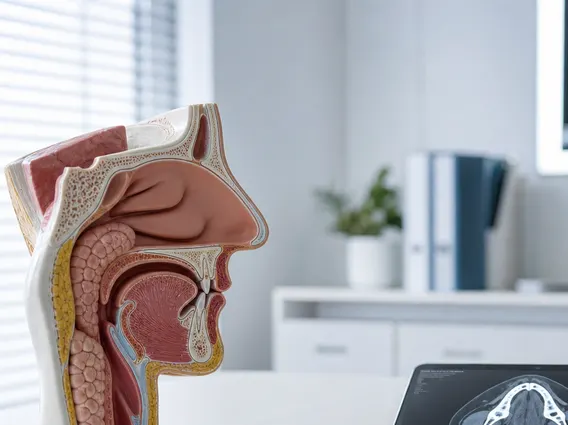
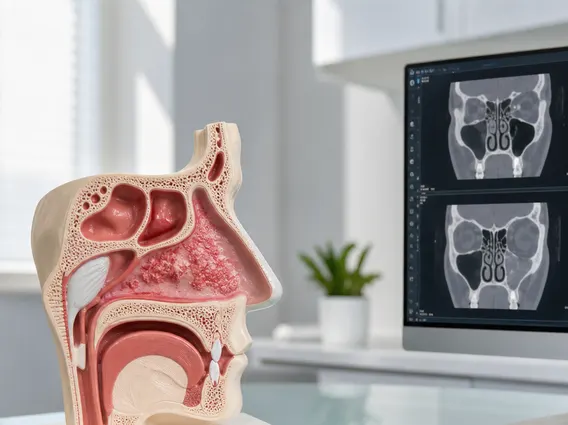
Nasal anatomy and function encompasses the intricate structure of the nose and its critical roles in respiration and sensory perception. The external nose, composed of bone and cartilage, leads into the nasal cavity, which is divided by the nasal septum.
The nasal cavity is lined with a mucous membrane containing cilia and goblet cells. Cilia are tiny hair-like structures that trap particles and move mucus towards the throat for swallowing, while goblet cells produce mucus to moisten the air and trap foreign invaders. This system acts as the body’s primary air filter. The rich blood supply within the nasal passages warms inhaled air, and the moist mucous membranes humidify it, preparing it for the lungs. Furthermore, the olfactory region, located in the upper part of the nasal cavity, contains specialized receptors responsible for the sense of smell.
Nasal Congestion and Polyps: Causes and Management
Nasal congestion refers to the blockage or stuffiness of the nasal passages, often due to inflammation and swelling of the mucous membranes. This can be caused by various factors, including viral infections like the common cold, allergic reactions to pollen or dust mites, and irritants such as smoke or strong chemicals.
Nasal polyps are soft, painless, noncancerous growths on the lining of your nasal passages or sinuses. The causes of nasal polyps are often linked to chronic inflammation of the nasal lining, frequently associated with conditions like asthma, aspirin sensitivity, allergic fungal sinusitis, or cystic fibrosis. While small polyps may not cause symptoms, larger ones can lead to persistent congestion, reduced sense of smell, and recurrent sinus infections.
Management for both conditions varies. For congestion, over-the-counter decongestants, antihistamines, and saline rinses can provide relief. For nasal polyps, treatment often involves corticosteroids (nasal sprays or oral) to reduce inflammation and shrink polyps. In some cases, surgery may be required to remove large or persistent polyps. According to the Centers for Disease Control and Prevention (CDC), allergic rhinitis, a common cause of nasal congestion, affects over 24 million people in the United States annually.
Strategies for Relieving Nasal Dryness
Nasal dryness is a common and uncomfortable condition characterized by a dry, irritated feeling in the nasal passages, sometimes accompanied by crusting or minor bleeding. It can result from dry climates, low humidity environments, certain medications, or excessive use of decongestant nasal sprays.
To relieve nasal dryness, several effective strategies can be employed. Maintaining adequate hydration by drinking plenty of water is fundamental. Environmental adjustments, such as using a humidifier in your home, especially during dry seasons or in air-conditioned/heated environments, can significantly help.
Other practical tips include:
- Using saline nasal sprays or rinses: These help moisturize the nasal passages and clear out irritants without medication.
- Applying petroleum jelly or a specialized nasal moisturizer: A small amount applied just inside the nostrils can provide a protective barrier and moisture.
- Avoiding irritants: Steer clear of smoke, strong chemicals, and excessively dry or dusty environments.
- Limiting decongestant spray use: Prolonged use can worsen dryness and lead to a rebound effect.