Metastasize
Metastasize is a critical and often life-threatening process in cancer progression, where cancer cells spread from their original site to distant parts of the body. Understanding this complex phenomenon is crucial for effective diagnosis and treatment strategies.
Key Takeaways
- Metastasis involves cancer cells detaching from a primary tumor and traveling through the bloodstream or lymphatic system.
- The process is complex, involving invasion, intravasation, circulation, extravasation, and colonization of new tissues.
- Metastasized cancer can present with varied symptoms depending on the secondary location, often indicating advanced disease.
- Early detection and understanding of metastatic pathways are vital for improving patient outcomes.
What is Metastasize?
Metastasize refers to the process by which cancer cells spread from the primary tumor to other parts of the body, forming new, secondary tumors. This phenomenon is a hallmark of advanced cancer and is responsible for the majority of cancer-related deaths. When cancer cells metastasize, they retain characteristics of the primary tumor, meaning, for example, that breast cancer that spreads to the lung is still considered metastatic breast cancer, not lung cancer. A comprehensive cancer metastasis explanation involves understanding that these cells acquire specific capabilities, allowing them to detach, travel, and thrive in new environments. According to the American Cancer Society, metastasis is a major factor in the prognosis of cancer patients, with approximately 90% of cancer deaths attributed to metastatic disease.
How Cancer Cells Metastasize
The journey of cancer cells from a primary tumor to a distant site is a multi-step process. How cancer cells metastasize involves a series of complex biological events that enable them to overcome numerous barriers. This process typically includes:
- Local Invasion: Cancer cells first break away from the primary tumor and invade surrounding healthy tissue. They do this by producing enzymes that degrade the extracellular matrix.
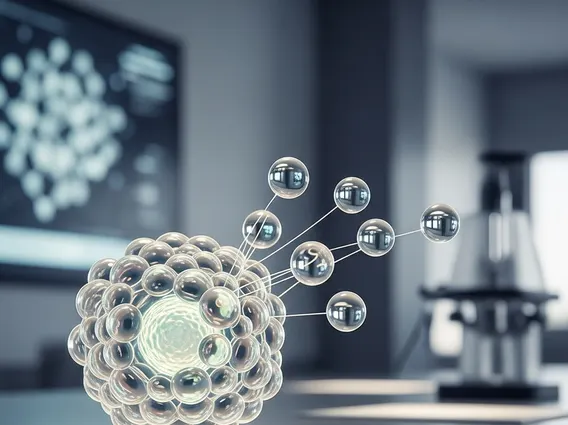
- Intravasation: These invasive cells then enter the bloodstream or lymphatic vessels, a process known as intravasation. The rich network of blood vessels and lymphatic channels provides a highway for dissemination.
- Circulation: Once in the circulatory or lymphatic system, cancer cells travel through the body. During this phase, they may encounter immune cells and other challenges, but many survive by forming clumps or by being protected by platelets.
- Extravasation: At a distant site, the circulating tumor cells exit the blood vessels and invade the new tissue, a process called extravasation. This step often occurs in organs with a rich blood supply or those that provide a favorable microenvironment.
- Colonization: Finally, the cells establish new tumors, or metastases, in the distant organ. This colonization phase requires the cells to adapt to the new microenvironment and grow into a detectable secondary tumor. Not all cells that extravasate successfully colonize a new site; many perish during this final stage.
Symptoms of Metastasized Cancer
The symptoms of metastasized cancer vary widely depending on where the cancer has spread in the body. These symptoms often indicate advanced disease and can significantly impact a patient’s quality of life. Recognizing these signs is crucial for timely intervention and management.
Common sites for cancer metastasis include:
- Bones: Pain, fractures, and hypercalcemia (high calcium levels in the blood).
- Lungs: Persistent cough, shortness of breath, chest pain, and coughing up blood.
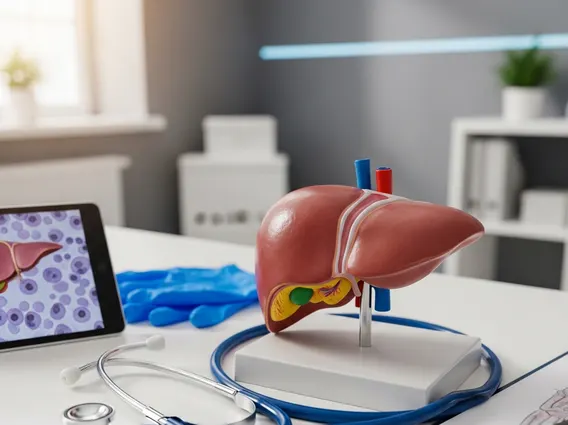
- Liver: Jaundice (yellowing of the skin and eyes), abdominal pain, swelling in the legs, and unexplained weight loss.
- Brain: Headaches, seizures, dizziness, vision changes, and neurological deficits such as weakness or numbness.
- Lymph Nodes: Swelling or lumps in the neck, armpit, or groin.
General symptoms of advanced cancer, regardless of the specific metastatic site, can include fatigue, unexplained weight loss, and a general decline in health. It is important for individuals experiencing new or worsening symptoms, especially those with a history of cancer, to seek medical evaluation promptly.