Menses
Menses, commonly known as a period, is a natural and vital biological process experienced by individuals with a uterus. It represents a key phase of the menstrual cycle, signaling the body’s readiness and subsequent shedding of the uterine lining.

Key Takeaways
- Menses is the monthly shedding of the uterine lining when pregnancy does not occur, crucial for reproductive health.
- The menstrual cycle involves four main phases: menstrual, follicular, ovulation, and luteal, each preparing the body for potential pregnancy.
- A typical menstrual period lasts between 2 to 7 days, occurring as part of a cycle that usually spans 21 to 35 days.
- Common symptoms during menses include abdominal cramps, mood changes, fatigue, and bloating, varying in intensity among individuals.
- Understanding the menstrual cycle and its associated symptoms can help individuals manage their health and well-being effectively.
What is Menses and Its Purpose?
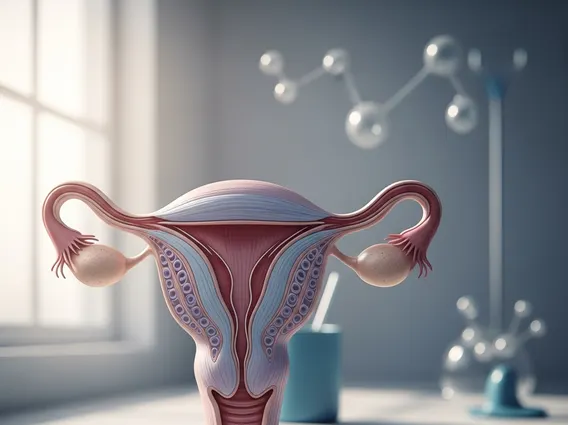
Menses refers to the monthly bleeding that occurs as part of the menstrual cycle. It is the shedding of the uterine lining (endometrium) through the vagina, a process that typically lasts for several days. This biological event is a fundamental aspect of reproductive health in individuals capable of conception.
The primary purpose of menses is to prepare the uterus for a potential pregnancy each month. If fertilization of an egg by sperm does not occur, the thickened uterine lining, which was built up to nourish a fertilized egg, is no longer needed. The body then sheds this lining, along with blood and mucus, to begin a new cycle. This cyclical process ensures that the uterus is regularly renewed and optimally prepared for implantation, highlighting its critical role in fertility and overall reproductive function.
Understanding the Menstrual Cycle Phases and Duration
The menstrual cycle is a complex series of hormonal and physiological changes that prepare the body for pregnancy. It is generally divided into four main phases, each with distinct characteristics. Understanding the menstrual cycle phases is key to comprehending reproductive health.
- Menstrual Phase: This phase begins on day one of bleeding and lasts until bleeding stops. It is characterized by the shedding of the uterine lining.
- Follicular Phase: Starting on the first day of menses, this phase involves the development of follicles in the ovaries, stimulated by follicle-stimulating hormone (FSH). One follicle typically matures into an egg.
- Ovulation Phase: Around the middle of the cycle, a surge in luteinizing hormone (LH) triggers the release of the mature egg from the ovary. This is the fertile window.
- Luteal Phase: After ovulation, the ruptured follicle transforms into the corpus luteum, which produces progesterone. Progesterone thickens the uterine lining further in preparation for pregnancy. If pregnancy does not occur, the corpus luteum degenerates, hormone levels drop, and menses begins again.
Regarding the question, “How long does a typical menses last?”, a typical menstrual period usually lasts between 2 to 7 days. The entire menstrual cycle, from the first day of one period to the first day of the next, commonly ranges from 21 to 35 days, with an average of 28 days. However, variations within this range are normal and can differ significantly among individuals, and even for the same individual at different times in their life. According to the American College of Obstetricians and Gynecologists (ACOG), cycle length and duration of bleeding can be influenced by factors such as age, lifestyle, and hormonal balance.
Common Symptoms and Experiences During Menses
Many individuals experience a range of physical and emotional changes during their menstrual period. Common symptoms during menses explained often include both discomfort and general bodily shifts. These symptoms can vary greatly in intensity from mild to severe and may impact daily activities.
Some of the most frequently reported symptoms include:
- Abdominal Cramps: Often felt in the lower abdomen or back, these are caused by contractions of the uterine muscles.
- Bloating: A feeling of fullness or swelling in the abdomen, often due to fluid retention.
- Breast Tenderness: Hormonal fluctuations can lead to sensitivity or soreness in the breasts.
- Mood Changes: Irritability, sadness, anxiety, or heightened emotional sensitivity are common.
- Fatigue: Feeling unusually tired or lacking energy.
- Headaches: Hormonal shifts can trigger headaches or migraines in some individuals.
- Changes in Bowel Habits: Some may experience diarrhea or constipation.
While these symptoms are common, severe pain or unusually heavy bleeding should be discussed with a healthcare provider, as they could indicate an underlying condition. Managing these symptoms often involves pain relievers, heat therapy, light exercise, and dietary adjustments.