Meningococcal Vaccine
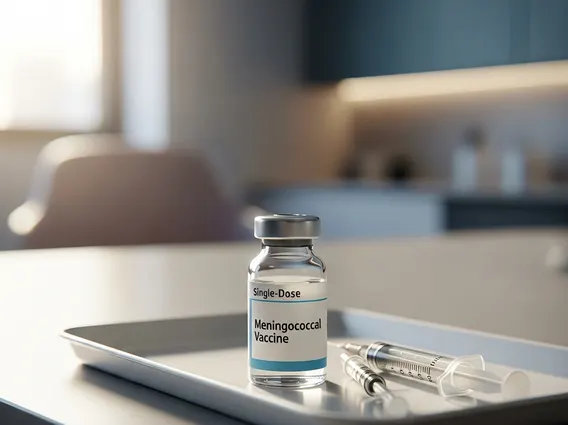
The meningococcal vaccine is a crucial immunization designed to protect against serious and potentially life-threatening infections caused by meningococcal bacteria. Understanding its purpose, recommendations, and safety profile is essential for public health.
Key Takeaways
- The meningococcal vaccine protects against severe infections like meningitis and sepsis caused by Neisseria meningitidis bacteria.
- It is recommended for adolescents, certain at-risk groups, and travelers to regions where meningococcal disease is common.
- There are different types of meningococcal vaccines targeting various serogroups of the bacteria.
- Common side effects are generally mild and temporary, such as soreness at the injection site.
- The vaccine is considered safe and highly effective in preventing serious illness and outbreaks.
What is Meningococcal Vaccine and What is it For?
The Meningococcal Vaccine is an immunization that helps prevent meningococcal disease, a severe bacterial infection caused by Neisseria meningitidis. This bacterium can lead to serious conditions such as meningitis (inflammation of the membranes surrounding the brain and spinal cord) and septicemia (a life-threatening blood infection). These infections can progress rapidly and have devastating consequences, including brain damage, hearing loss, limb amputation, or death, even with prompt antibiotic treatment. According to the Centers for Disease Control and Prevention (CDC), meningococcal disease, while rare, can be deadly, with 10 to 15% of infected individuals dying even with treatment, and up to 20% of survivors experiencing long-term disabilities.
Meningococcal vaccine facts indicate that there are several types of meningococcal bacteria, known as serogroups, with A, B, C, W, and Y being the most common causes of disease worldwide. Vaccines are specifically designed to target these different serogroups. For instance, meningococcal conjugate vaccines (MenACWY) protect against serogroups A, C, W, and Y, while meningococcal B vaccines (MenB) protect against serogroup B. The primary goal of the vaccine is to stimulate the body’s immune system to produce antibodies that can recognize and fight off these specific bacteria, thereby preventing infection and its severe complications.
Meningococcal Vaccine Recommendations
Meningococcal vaccine recommendations are established by public health organizations like the CDC to ensure protection for those most at risk. Routine vaccination is typically recommended for adolescents, with a primary dose often administered at 11 or 12 years of age and a booster dose at 16 years. This timing is crucial because adolescents and young adults are at increased risk for meningococcal disease. Beyond routine immunization, specific groups are also advised to receive the vaccine due to heightened risk factors.
These at-risk groups include:
- College students living in residence halls.
- Military recruits.
- Individuals with certain medical conditions, such as persistent complement component deficiencies or asplenia (including sickle cell disease).
- Microbiologists who are routinely exposed to Neisseria meningitidis.
- People traveling to or residing in countries where meningococcal disease is common or where outbreaks are occurring.
- Individuals who have been exposed to a meningococcal disease outbreak.
The specific type of vaccine (MenACWY or MenB) and the number of doses depend on the individual’s age, medical history, and risk factors, as outlined by current immunization schedules from health authorities.
Meningococcal Vaccine Side Effects and Safety
The Meningococcal vaccine side effects and safety profile is well-established through extensive research and monitoring. Like most vaccines, meningococcal vaccines can cause mild and temporary side effects. The most common reactions occur at the injection site and include soreness, redness, or swelling. Other general side effects can include headache, muscle aches, fatigue, and low-grade fever. These reactions are typically mild and resolve within one to two days.
Serious allergic reactions are rare but possible with any vaccine. Symptoms of a severe allergic reaction, such as difficulty breathing, hives, or swelling of the face and throat, usually occur within minutes to hours after vaccination and require immediate medical attention. Healthcare providers are prepared to manage such reactions. Overall, the benefits of receiving the meningococcal vaccine far outweigh the potential risks of side effects, given the severe and life-threatening nature of meningococcal disease. Public health agencies, such as the CDC and the World Health Organization (WHO), continuously monitor vaccine safety to ensure ongoing confidence in these vital immunizations.