Kgf
Kgf, an acronym for Keratinocyte Growth Factor, represents a crucial protein in human biology, playing a significant role in cellular proliferation, differentiation, and tissue repair. Its functions are vital for maintaining the integrity and regenerative capacity of various epithelial tissues throughout the body.
Key Takeaways
- Kgf (Keratinocyte Growth Factor) is a protein essential for the growth and differentiation of epithelial cells.
- It is critical for processes such as wound healing, tissue regeneration, and the maintenance of mucosal barriers.
- Kgf exerts its effects by binding to specific receptors on target cells, initiating complex intracellular signaling pathways.
- Research explores Kgf’s therapeutic potential in treating conditions like mucositis, burns, and chronic ulcers.
- The medical term Kgf is distinct from “kilogram-force,” a unit of measurement for force.
What is Kgf (Kilogram-force)?
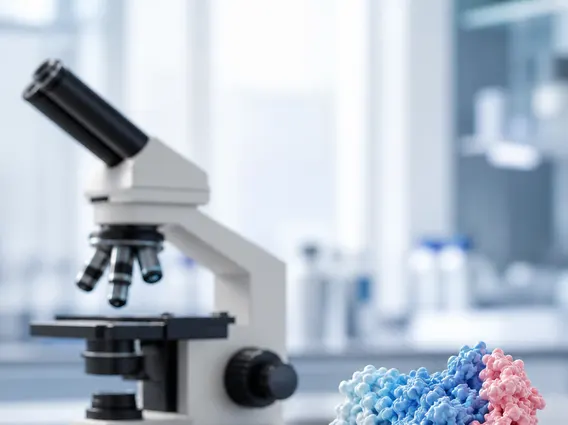
Kgf, or Keratinocyte Growth Factor, is a potent polypeptide growth factor belonging to the fibroblast growth factor (FGF) family, specifically known as FGF7. It is primarily produced by mesenchymal cells (such as fibroblasts) and acts on epithelial cells, stimulating their proliferation, migration, and differentiation. This paracrine signaling mechanism is fundamental for processes like embryonic development, tissue homeostasis, and repair following injury.
While the acronym “Kgf” is also commonly associated with “kilogram-force”—a unit of force defined as the force exerted by a one-kilogram mass in a standard gravitational field—it is imperative to distinguish this from its medical and biological context. In clinical and research settings, when referring to biological processes or therapeutic agents, Kgf almost exclusively denotes Keratinocyte Growth Factor. Although kilogram-force has indirect relevance in medical fields like biomechanics (e.g., assessing muscle strength or prosthetic device performance), its physiological role is entirely separate from that of the growth factor.
The Kgf film series explanation of its biological activity often describes a cascade of events, beginning with its secretion by stromal cells and subsequent binding to its high-affinity receptor, FGFR2b, which is predominantly expressed on epithelial cells. This interaction triggers a series of intracellular signaling pathways, including the MAPK/ERK, PI3K/Akt, and STAT pathways, which collectively orchestrate cellular responses vital for tissue maintenance and repair.
Key Functions of Keratinocyte Growth Factor
- Epithelial Cell Proliferation: Stimulates the rapid growth of keratinocytes and other epithelial cells.
- Cell Migration: Promotes the movement of epithelial cells, crucial for wound closure.
- Differentiation: Influences the maturation and specialization of epithelial cells.
- Tissue Protection: Enhances the integrity and barrier function of epithelial layers.
- Angiogenesis: Indirectly supports the formation of new blood vessels in healing tissues.
Applications and Significance of Kilogram-force
In the medical and biological context, the applications and significance of Kgf (Keratinocyte Growth Factor) are extensive, particularly in regenerative medicine and oncology. Its ability to promote epithelial cell growth and repair makes it a valuable target for therapeutic interventions. For instance, Kgf has been explored for its potential to accelerate wound healing in various conditions, including burns, chronic ulcers, and surgical incisions, by enhancing re-epithelialization.
A Kgf movie plot summary of its therapeutic potential highlights its application in mitigating chemotherapy-induced mucositis, a painful inflammation of the mucous membranes that can severely impact cancer patients. By stimulating the regeneration of epithelial cells lining the gastrointestinal tract, Kgf can help reduce the severity and duration of mucositis, thereby improving patient quality of life and treatment outcomes. Studies have shown its efficacy in protecting mucosal barriers and promoting their repair. (Source: National Cancer Institute)
The Kgf cast and characters details in its biological pathway primarily involve Kgf itself, its specific receptor (FGFR2b), and a complex array of intracellular signaling molecules like STAT3 and MAPK, which collectively orchestrate cellular responses. Understanding these interactions is crucial for developing targeted therapies. Ongoing research continues to uncover new roles for Kgf in various physiological and pathological processes, including its involvement in lung development, hair follicle growth, and corneal repair, further expanding its therapeutic horizons.
Kgf is a critical mediator in the body’s natural response to injury, acting as an endogenous repair factor. When tissues are damaged, mesenchymal cells upregulate Kgf production, which then acts on adjacent epithelial cells to initiate a coordinated healing process. This involves not only the rapid proliferation of new cells to cover the wound but also their organized migration and differentiation to restore tissue function. Its role in maintaining the integrity of epithelial barriers is also vital for preventing infections and maintaining overall health.