Iodine I 131 Lipiodol
Iodine I 131 Lipiodol is a specialized radiopharmaceutical used in the treatment of certain liver cancers. This therapy combines a radioactive isotope with an oil-based contrast agent to deliver targeted radiation directly to tumor cells.
Key Takeaways
- Iodine I 131 Lipiodol is a radiopharmaceutical designed for targeted internal radiation therapy.
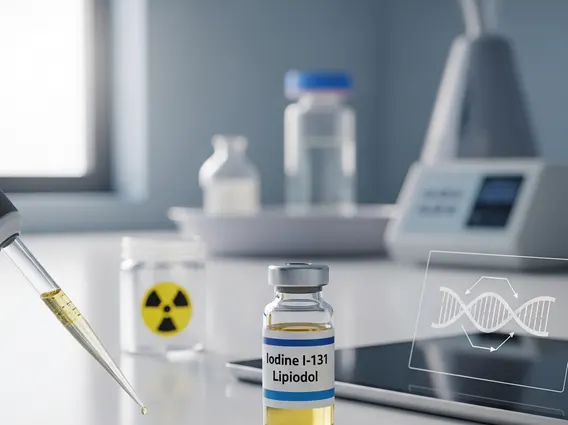
- It consists of radioactive iodine-131 bound to Lipiodol, an oily contrast agent.
- The treatment primarily targets liver cancers, particularly hepatocellular carcinoma (HCC), by selectively accumulating in tumor tissue.
- Its mechanism involves delivering localized radiation to cancer cells while minimizing exposure to healthy surrounding tissues.
- Treatment involves transarterial administration, requiring careful patient selection and radiation safety protocols.
What is Iodine I 131 Lipiodol?
Iodine I 131 Lipiodol is a unique radiopharmaceutical agent employed in interventional oncology. It comprises two main components: iodine-131, a radioactive isotope that emits beta radiation, and Lipiodol, an iodized poppy seed oil. This combination allows for a targeted approach to cancer therapy, particularly within the liver. Lipiodol has a natural affinity for liver tumors, especially hepatocellular carcinoma (HCC), where it tends to accumulate preferentially after injection into the hepatic artery. By binding iodine-131 to Lipiodol, the radioactive isotope can be delivered directly to the cancerous cells, providing a concentrated dose of radiation while sparing much of the healthy liver tissue and other organs.
This targeted delivery system makes Iodine I 131 Lipiodol a valuable tool in the management of primary liver cancers, offering an internal radiation therapy option. The localized radiation aims to destroy tumor cells, reduce tumor size, and potentially improve patient outcomes, especially in cases where surgery or other treatments may not be suitable.
How Iodine I 131 Lipiodol Works for Liver Cancer
The mechanism by which how iodine i 131 lipiodol works for liver cancer is based on the unique vascular supply of hepatic tumors. Liver tumors, particularly hepatocellular carcinoma (HCC), receive their blood supply predominantly from the hepatic artery, while healthy liver tissue receives blood primarily from the portal vein. When Iodine I 131 Lipiodol is injected into the hepatic artery, the Lipiodol component selectively flows into the tumor’s capillaries and remains trapped there for an extended period due to the abnormal vascular architecture of the tumor.
Once concentrated within the tumor, the iodine-131 component emits beta particles, which are high-energy electrons with a short range (typically a few millimeters). This localized radiation directly damages the DNA of cancer cells, leading to their destruction and tumor necrosis. This targeted delivery minimizes systemic radiation exposure, reducing potential side effects on healthy organs. This specific application of iodine i 131 lipiodol for liver cancer is particularly beneficial for patients with unresectable HCC, offering a regional therapy option. According to the World Health Organization (WHO), hepatocellular carcinoma accounts for approximately 75-85% of all primary liver cancers globally, highlighting the importance of effective targeted treatments like this.
Iodine I 131 Lipiodol Treatment Information
Iodine 131 Lipiodol treatment information involves a multidisciplinary approach, typically performed by interventional radiologists and nuclear medicine physicians. Patients undergoing this therapy are carefully selected based on factors such as liver function, tumor burden, and overall health. The procedure involves a transarterial administration, where a catheter is inserted into the femoral artery and guided to the hepatic artery supplying the tumor. The Iodine I 131 Lipiodol is then slowly injected directly into the tumor’s blood supply.
Key aspects of the treatment include:
- Patient Preparation: This often includes imaging studies (CT, MRI, angiography) to map the liver’s vascular anatomy and identify the tumor’s blood supply. Blood tests are also performed to assess liver function and overall health.
- Procedure: Performed under local anesthesia, the procedure typically lasts a few hours. Patients are monitored closely during and after the injection.
- Post-Treatment Care: Patients usually require a short hospital stay for observation and radiation safety precautions, as they will temporarily emit low levels of radiation. Specific guidelines are provided to minimize exposure to others.
- Potential Side Effects: Common side effects are generally mild and temporary, including fever, abdominal pain, nausea, and fatigue. More severe complications are rare but can include liver dysfunction or radiation pneumonitis.
- Follow-up: Regular follow-up imaging and blood tests are crucial to monitor tumor response and assess liver function.
This therapy represents an important option for patients with specific types of liver cancer, providing a localized and effective treatment strategy.