Intravenous Injection
Intravenous injection is a common medical procedure involving the administration of substances directly into a vein, ensuring rapid and complete absorption into the bloodstream. This method is crucial for delivering medications, fluids, and nutrients when quick therapeutic effects are required.
Key Takeaways
- Intravenous (IV) injection delivers substances directly into a vein for immediate systemic circulation.
- It ensures 100% bioavailability, making it highly effective for critical medical situations and specific treatments.
- The procedure involves careful site selection, sterile technique, venipuncture, and securing the catheter.
- Benefits include rapid onset of action and precise dosage control, while risks can include infection, phlebitis, and extravasation.
- IV therapy is indispensable for hydration, medication delivery, and nutritional support in modern healthcare.
What is Intravenous Injection?
An Intravenous Injection refers to a method of administering fluids, medications, or nutrients directly into a patient’s vein. This route of administration is preferred when a rapid therapeutic effect is needed, when substances cannot be absorbed through other routes (like orally), or when precise control over drug levels in the bloodstream is essential. By bypassing the digestive system and first-pass metabolism, intravenous delivery ensures that the administered substance reaches the systemic circulation immediately and completely, achieving 100% bioavailability.
This technique is widely utilized across various medical fields, from emergency medicine to chronic disease management. Common applications include rehydration for dehydrated patients, administration of antibiotics for severe infections, chemotherapy for cancer treatment, and blood transfusions. According to the Centers for Disease Control and Prevention (CDC), millions of intravenous catheters are inserted annually in the United States, highlighting the widespread reliance on this method for patient care.
The Intravenous Injection Procedure Explained
The **intravenous injection procedure explained** involves several critical steps to ensure patient safety and effective delivery. The process begins with patient assessment, including a review of medical history and identification of suitable venipuncture sites, typically in the antecubital fossa (inner elbow) or the back of the hand. Proper hand hygiene and the use of sterile gloves are paramount to prevent infection.
Key steps in how intravenous injection works include:
- Preparation: The healthcare professional gathers all necessary equipment, including an intravenous catheter, tourniquet, antiseptic solution (e.g., chlorhexidine or povidone-iodine), sterile dressing, and the prescribed medication or fluid.
- Site Selection and Preparation: A tourniquet is applied above the chosen venipuncture site to distend the vein. The skin is then thoroughly cleaned with an antiseptic solution and allowed to air dry completely to maximize its effectiveness.
- Venipuncture: The healthcare professional inserts the IV catheter, which consists of a needle inside a flexible plastic cannula, into the selected vein at a shallow angle. A “flashback” of blood in the catheter hub confirms successful venous access.
- Catheter Insertion and Securing: Once venous access is confirmed, the needle is carefully withdrawn, leaving the flexible plastic cannula in the vein. The catheter is then secured to the skin with sterile tape and a transparent dressing to prevent dislodgement and protect the site from contamination.
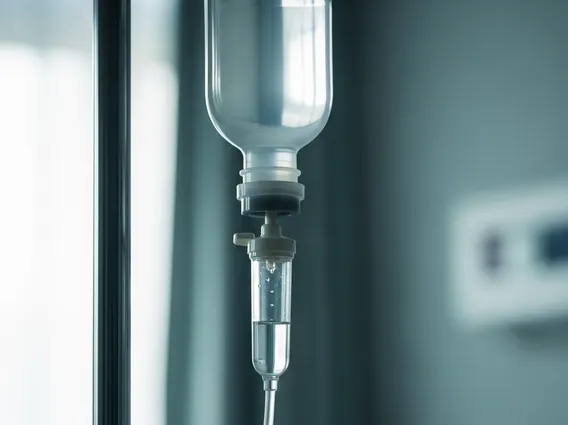
- Connection and Administration: The IV line, connected to the fluid bag or syringe, is then attached to the catheter hub, and the infusion or injection begins. The flow rate is carefully monitored to ensure the correct dosage and administration speed.
- Monitoring and Removal: Throughout the infusion, the patient is monitored for any adverse reactions or complications. Upon completion, the catheter is carefully removed, and pressure is applied to the site to prevent bleeding, followed by application of a sterile bandage.
Benefits and Risks of IV Injection
The **benefits and risks of IV injection** are important considerations in clinical practice. The primary advantages include rapid onset of action, which is critical in emergency situations where immediate therapeutic effects are needed. Intravenous administration also allows for precise control over drug concentrations in the bloodstream, enabling healthcare providers to titrate dosages accurately. Furthermore, it is the only viable route for administering large volumes of fluids for hydration or blood products, and it can deliver medications that are irritating to tissues if given via other routes.
However, intravenous injections are not without potential risks. These can range from minor localized issues to more severe systemic complications:
- Infection: The most common risk, occurring at the insertion site if aseptic techniques are not strictly followed. This can range from localized cellulitis to more serious bloodstream infections.
- Phlebitis: Inflammation of the vein, often characterized by pain, redness, and swelling along the vein path. It can be caused by mechanical irritation from the catheter, chemical irritation from the infusate, or bacterial infection.
- Extravasation: The leakage of fluid or medication from the vein into the surrounding tissue. Depending on the substance, this can cause pain, swelling, tissue damage, or necrosis.
- Hematoma: Bruising at the insertion site, typically caused by blood leaking from the vein during or after venipuncture.
- Allergic Reactions: Patients may experience allergic responses to the medication administered, ranging from mild skin rashes to severe anaphylaxis.
- Air Embolism: A rare but serious complication where air enters the bloodstream, potentially leading to respiratory distress or cardiac arrest. This is usually preventable with careful technique.
- Systemic Complications: These can include fluid overload, especially in patients with compromised cardiac or renal function, and electrolyte imbalances if large volumes of certain fluids are administered without proper monitoring.