Intravaginal
Intravaginal refers to anything situated, occurring, or administered within the vagina. This term is crucial in medicine, particularly in gynecology and pharmacology, describing a specific route for therapeutic interventions and diagnostic procedures.

Key Takeaways
- Intravaginal describes anything located or applied inside the vagina, a common route for medical treatments.
- This method allows for targeted drug delivery, minimizing systemic side effects and avoiding first-pass metabolism.
- Various forms, including creams, gels, suppositories, and rings, are used for intravaginal administration.
- Applications range from treating local infections and hormonal imbalances to contraception and managing vaginal health.
- It offers an effective way to address specific gynecological conditions directly at the site of concern.
What is Intravaginal?
Intravaginal is a medical term used to describe procedures, substances, or conditions that are located or applied within the vagina. This anatomical route is frequently utilized in healthcare for its direct access to the female reproductive tract, allowing for localized treatment with potentially fewer systemic side effects compared to oral or injectable medications. Understanding its meaning is fundamental to comprehending various gynecological treatments and health management strategies.
The vaginal environment is unique, characterized by its mucous membrane, specific pH levels, and microbial flora. Administering substances intravaginally leverages these characteristics to achieve therapeutic effects, whether for local action within the vagina or, in some cases, for systemic absorption into the bloodstream. This method is a cornerstone in addressing a wide array of women’s health concerns, from common infections to hormonal support.
Intravaginal Administration and Drug Delivery
The concept of Intravaginal administration explanation centers on delivering therapeutic agents directly into the vaginal canal. This method is highly advantageous because it allows for a high concentration of medication at the target site, which can be particularly effective for treating localized conditions. Furthermore, it often bypasses the liver’s first-pass metabolism, which can degrade certain drugs when taken orally, thereby increasing their bioavailability and efficacy.
Intravaginal drug delivery information highlights the diverse forms in which medications can be administered via this route. These include:
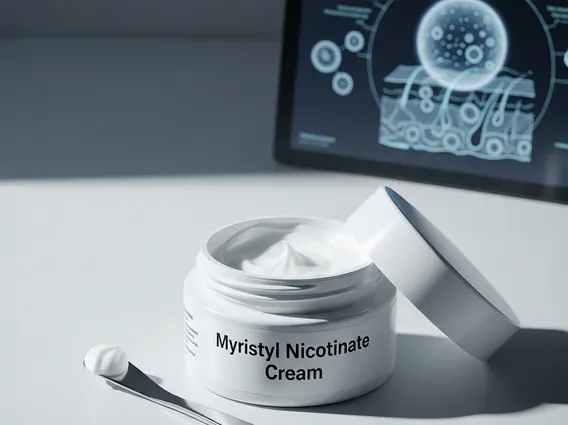
- Creams and Gels: Often used for antifungal, antibacterial, or hormonal treatments, providing a sustained release of medication.
- Suppositories: Solid dosage forms that melt or dissolve at body temperature, releasing the active ingredient.
- Vaginal Rings: Flexible devices that release hormones or other drugs over an extended period, sometimes for several weeks or months, offering convenience and consistent dosing.
- Tablets and Ovules: Solid forms designed to dissolve in the vaginal moisture, releasing medication.
The choice of delivery system depends on the specific drug, the condition being treated, and the desired duration of action. The effectiveness of intravaginal delivery is supported by its ability to provide targeted therapy while minimizing systemic exposure, which is particularly beneficial for sensitive patient populations or those prone to systemic side effects.
Applications in Intravaginal Health
Understanding intravaginal health is crucial for women’s overall well-being, and intravaginal treatments play a significant role in maintaining it. This route is extensively used for managing various gynecological conditions and for preventive care. The localized application ensures that the medication acts directly where it is needed, enhancing efficacy and reducing potential side effects elsewhere in the body.
Common applications include:
- Treatment of Infections: Vaginal yeast infections (candidiasis) and bacterial vaginosis are frequently treated with intravaginal creams, gels, or suppositories containing antifungal or antibiotic agents.
- Hormone Replacement Therapy: For menopausal women experiencing vaginal atrophy, dryness, or discomfort, intravaginal estrogen creams, tablets, or rings can provide localized relief by restoring vaginal tissue health without significant systemic hormone absorption.
- Contraception: Vaginal rings that release hormones are an effective form of birth control, offering convenience and long-term protection.
- Fertility Treatments: Progesterone, often administered intravaginally, is used to support early pregnancy in some fertility protocols.
According to the World Health Organization (WHO), reproductive tract infections are a significant global health concern, and local treatments, including intravaginal therapies, are vital in their management and prevention of complications. The direct application method ensures that active ingredients reach the affected tissues efficiently, contributing to better patient outcomes and improved quality of life.