Intrauterine
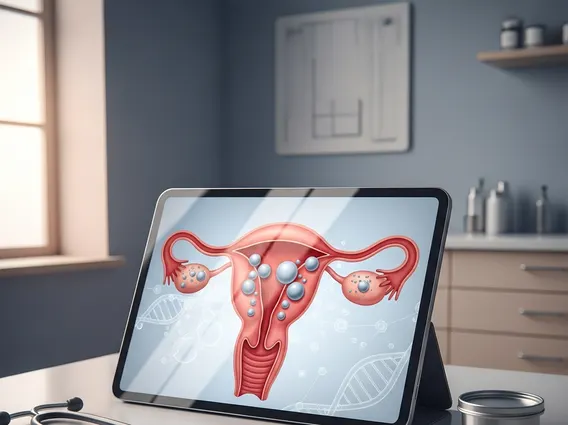
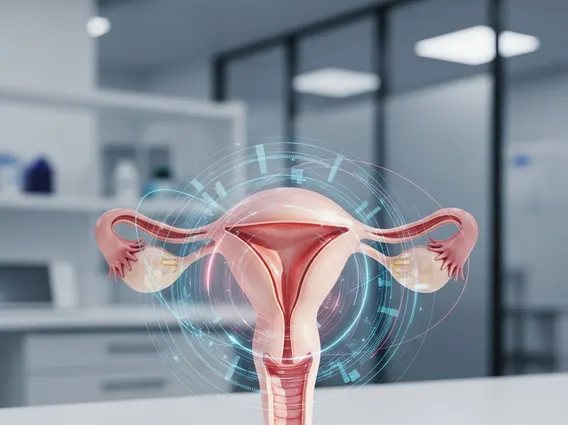
The term “Intrauterine” is a fundamental medical descriptor, referring to anything situated or occurring within the uterus. This anatomical context is central to understanding a vast array of physiological processes, conditions, and medical interventions primarily within the fields of obstetrics and gynecology.
Key Takeaways
- Intrauterine precisely defines anything located inside the uterus.
- It is a critical term in reproductive health, encompassing both normal physiological states and pathological conditions.
- Conditions range from the natural development of a fetus during pregnancy to specific disorders affecting the uterine environment.
- Medical applications include contraception, fetal monitoring, and various diagnostic and therapeutic procedures.
What is Intrauterine: Definition and Meaning
The intrauterine definition and meaning fundamentally describe a location: within the uterus. This hollow, muscular organ in the female pelvis is where a fertilized egg implants and a fetus develops during pregnancy. Therefore, any event, object, or process that takes place inside this specific anatomical space is characterized as intrauterine. It is a precise intrauterine medical term explained to differentiate phenomena occurring within the uterus from those that are extrauterine (outside the uterus) or occurring in other parts of the reproductive system.
Understanding this term is crucial for medical professionals, as it guides diagnosis, treatment, and monitoring across various stages of reproductive life. For instance, an intrauterine pregnancy is a normal, healthy pregnancy, while an ectopic pregnancy is extrauterine. The term also applies to medical devices, such as intrauterine devices (IUDs), which are placed directly inside the uterus for contraception.
Intrauterine Conditions and Related Causes
A wide spectrum of conditions can be described as intrauterine, ranging from normal physiological states to various pathologies. The most common and significant intrauterine condition is pregnancy, where a fetus develops within the uterus. However, several other intrauterine conditions and causes can impact reproductive health. These can include infections, structural abnormalities of the uterus, or complications during pregnancy.
Examples of intrauterine conditions include:
- Intrauterine Growth Restriction (IUGR): A condition where a fetus does not grow to its expected weight during pregnancy, often due to placental issues, maternal health conditions, or genetic factors.
- Intrauterine Infections: Infections that affect the uterus or the developing fetus, such as chorioamnionitis, which can be caused by bacteria ascending from the vagina.
- Intrauterine Adhesions (Asherman’s Syndrome): Scar tissue formation within the uterus, often resulting from uterine surgery (like D&C) or severe infections, leading to menstrual irregularities and infertility.
- Intrauterine Fetal Demise (Stillbirth): The death of a fetus in the uterus after 20 weeks of gestation, which can be caused by a multitude of factors including placental problems, birth defects, or maternal health issues.
Causes for these conditions are diverse, encompassing genetic predispositions, environmental factors, infections (bacterial, viral, parasitic), hormonal imbalances, and structural anomalies of the uterus itself. For example, uterine fibroids, which are non-cancerous growths, can be intrauterine and affect fertility or pregnancy outcomes, though they are not always pathological.
Applications and Clinical Significance of Intrauterine
The clinical significance of the term “intrauterine” extends to numerous diagnostic, therapeutic, and preventative applications in medicine. One of the most common applications is in contraception, specifically with the use of intrauterine devices (IUDs). These small, T-shaped devices are inserted into the uterus to prevent pregnancy, offering highly effective and long-acting reversible contraception. According to the World Health Organization (WHO), IUDs are among the most effective forms of reversible contraception, with failure rates typically less than 1% per year.
Beyond contraception, intrauterine procedures are vital for monitoring fetal health during pregnancy, such as intrauterine transfusions for fetal anemia or intrauterine surgery to correct certain birth defects before birth. Diagnostic tools like hysteroscopy allow direct visualization of the uterine cavity to identify and treat intrauterine pathologies like polyps or adhesions. Furthermore, understanding the intrauterine environment is critical for assisted reproductive technologies (ART), where embryos are often transferred into the uterus to achieve pregnancy. The ability to precisely target and manage conditions within the uterus significantly improves patient outcomes in reproductive health and maternal-fetal medicine.