
Inherited Erythroblastopenia
Inherited Erythroblastopenia refers to a group of rare genetic blood disorders characterized by a significant reduction or absence of red blood cell precursors (erythroblasts) in the bone marrow. This condition leads to chronic anemia, impacting the body’s ability to transport oxygen effectively.
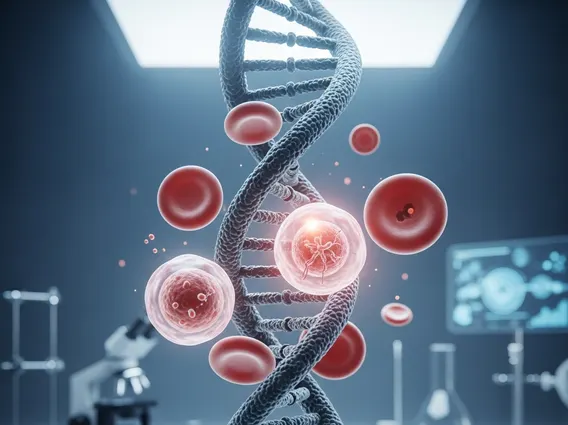
Key Takeaways
- Inherited Erythroblastopenia is a rare genetic disorder affecting red blood cell production.
- It results in chronic anemia due to a deficiency of erythroblasts in the bone marrow.
- Symptoms typically include fatigue, pallor, and shortness of breath, often appearing in infancy or early childhood.
- Diagnosis involves blood tests, bone marrow examination, and genetic analysis to identify specific mutations.
- Management focuses on supportive care, including blood transfusions, and in some cases, specific therapies.
What is Inherited Erythroblastopenia?
Inherited Erythroblastopenia is a rare group of genetic disorders that primarily affect the production of red blood cells. In individuals with this condition, the bone marrow, which is responsible for creating new blood cells, fails to produce an adequate number of erythroblasts—the immature cells that mature into red blood cells. This deficiency leads to chronic anemia, a condition where the blood lacks healthy red blood cells to carry oxygen to the body’s tissues.
The term “inherited” highlights the genetic basis of the disorder, meaning it is passed down through families. While specific prevalence data for all forms of inherited erythroblastopenia can vary, these conditions are generally considered very rare. Understanding this hereditary erythroblastopenia information is crucial for affected individuals and their families, as it underscores the importance of genetic counseling and early diagnosis. The severity and presentation of the condition can differ widely among affected individuals, depending on the specific genetic mutation and its impact on erythropoiesis (the process of red blood cell formation).
Symptoms and Causes of Inherited Erythroblastopenia
The symptoms of inherited erythroblastopenia symptoms causes are primarily related to anemia, as the body struggles with an insufficient supply of oxygen-carrying red blood cells. These symptoms can manifest differently depending on the age of onset and the severity of the condition. Common signs often include:
- Fatigue and Weakness: Persistent tiredness due to reduced oxygen delivery to muscles and organs.
- Pallor: Unusually pale skin, especially noticeable in the face, lips, and nail beds.
- Shortness of Breath: Difficulty breathing, particularly during physical activity, as the body tries to compensate for low oxygen levels.
- Irritability: Especially in infants and young children, who may also exhibit poor feeding and growth delays.
- Tachycardia: An increased heart rate as the heart works harder to circulate oxygen-poor blood.
The underlying causes of Inherited Erythroblastopenia are genetic mutations. These mutations typically affect genes responsible for various stages of red blood cell development. For instance, some forms are linked to defects in ribosomal proteins, which are essential for cell growth and division, including that of erythroblasts. Other genetic defects might impact specific enzymes or transcription factors critical for erythropoiesis. The inheritance pattern can vary, with some forms being autosomal dominant and others autosomal recessive, meaning a child needs to inherit one or two copies of a mutated gene, respectively, to develop the condition. For example, Diamond-Blackfan anemia, a well-known form of inherited erythroblastopenia, is often caused by mutations in ribosomal protein genes.
Diagnosing Inherited Erythroblastopenia
The diagnosis of inherited erythroblastopenia typically begins with a thorough medical history and physical examination, followed by a series of laboratory tests. Given the rarity of the condition, it often requires a comprehensive approach to differentiate it from other forms of anemia. Key diagnostic steps include:
A complete blood count (CBC) is usually the first step, revealing anemia characterized by low hemoglobin levels and a reduced red blood cell count. A reticulocyte count, which measures immature red blood cells, will typically be very low, indicating impaired red blood cell production in the bone marrow. Further investigation often involves a bone marrow aspiration and biopsy. This procedure allows clinicians to examine the bone marrow directly, where a characteristic finding in inherited erythroblastopenia is a marked reduction or absence of erythroblasts, while other cell lines (white blood cells and platelets) may appear normal.
Genetic testing plays a crucial role in confirming the diagnosis and identifying the specific genetic mutation responsible for the condition. This is particularly important for prognosis, genetic counseling, and sometimes for guiding treatment decisions. Differential diagnosis is also vital to rule out other causes of erythroblastopenia, such as viral infections (e.g., parvovirus B19), drug-induced suppression, or other acquired bone marrow disorders. Accurate and timely diagnosis is essential for initiating appropriate management strategies, which often include supportive care such as blood transfusions to alleviate anemia and improve quality of life.



















