Inherited
The term inherited in a medical and biological context refers to characteristics or conditions passed down from parents to their offspring through genetic material. Understanding this fundamental process is crucial for comprehending human health, disease, and the diversity of life.
Key Takeaways
- Inherited traits and conditions are determined by genetic information passed from one generation to the next.
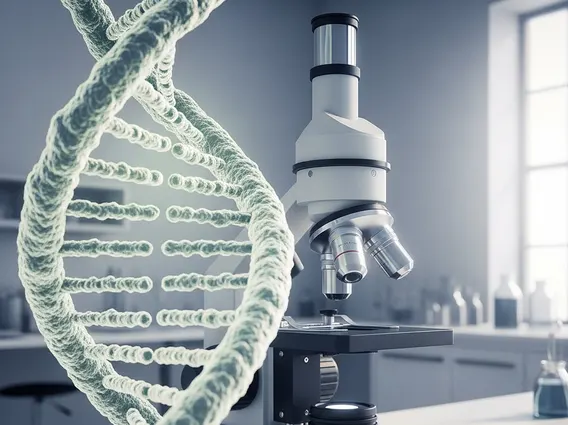
- Genetic inheritance occurs through DNA contained within chromosomes, with specific genes dictating various characteristics.
- The process involves the transmission of alleles from parents, which combine to form the offspring’s unique genetic makeup.
- Inheritance can manifest as physical traits, predispositions to certain conditions, or specific inherited diseases.
- Studying inheritance helps in understanding disease risk, diagnosis, and potential therapeutic strategies.
What does inherited mean?
In biology and medicine, inherited describes any characteristic, trait, or condition that is transmitted from parents to their biological children through genetic material. This process is fundamental to life, explaining why offspring often resemble their parents and how certain predispositions or diseases can run in families. At its core, what is inherited is the blueprint for an individual’s development and function, encoded within their DNA.
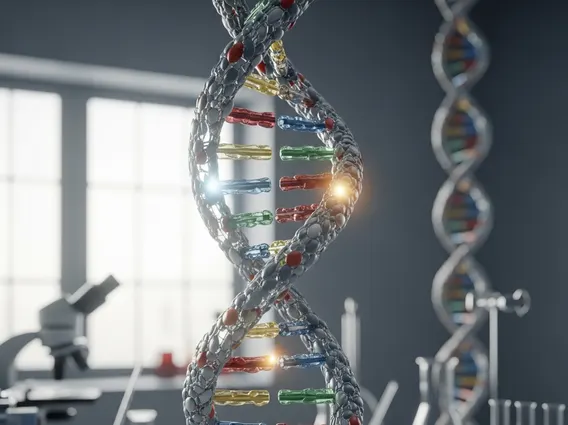
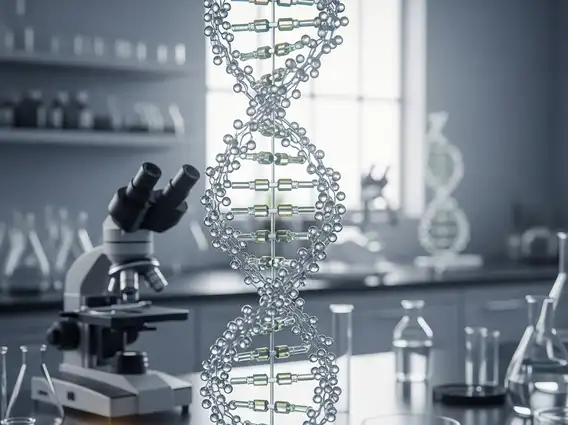
Every living organism possesses a unique set of instructions, known as its genome, which is largely inherited. These instructions are carried on chromosomes, which are structures found inside the nucleus of cells. Humans typically have 23 pairs of chromosomes, with one set inherited from the mother and the other from the father. This genetic contribution determines a vast array of features, from eye color and height to susceptibility to certain medical conditions.
How does inheritance work?
The mechanism of inheritance is intricate, revolving around the transmission of genetic information. Each parent contributes half of their genetic material to their offspring during reproduction. This occurs through specialized reproductive cells called gametes (sperm in males, eggs in females), which contain only one set of chromosomes instead of the usual two. When a sperm fertilizes an egg, the two sets of chromosomes combine, forming a complete set for the new individual.
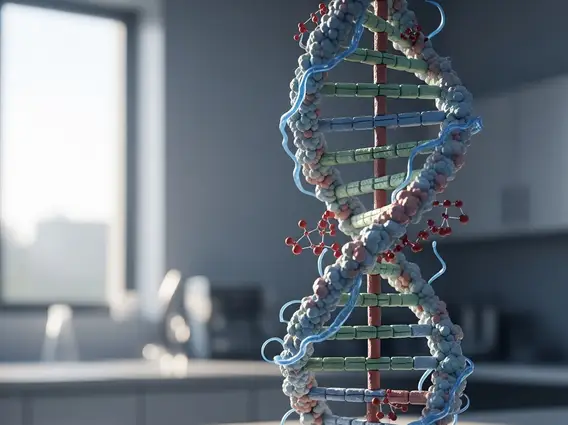
Genes are specific segments of DNA located on chromosomes that contain the instructions for building proteins, which in turn perform most of the work in cells and are required for the structure, function, and regulation of the body’s tissues and organs. Different versions of the same gene are called alleles. For each gene, an individual inherits two alleles—one from each parent. The interaction between these alleles, whether dominant or recessive, determines the observable trait or characteristic. For example, a dominant allele may express its trait even if only one copy is present, while a recessive allele requires two copies to be expressed.
Types of Inherited Traits and Conditions
Inheritance manifests in a wide variety of ways, influencing both observable characteristics and underlying health. Types of inherited traits range from simple physical attributes to complex predispositions and specific medical conditions. These can be broadly categorized as:
- Physical Traits: These are easily observable characteristics such as eye color, hair color, height, and blood type. These traits are determined by specific genes inherited from parents.
- Predispositions: Some genetic inheritances don’t directly cause a condition but increase an individual’s likelihood of developing it. Examples include a genetic predisposition to certain types of cancer, heart disease, or type 2 diabetes. Environmental factors and lifestyle choices often interact with these genetic predispositions.
- Inherited Diseases: These are specific medical conditions caused by genetic mutations or abnormalities passed down through families. Inherited diseases information is crucial for diagnosis, genetic counseling, and management.
Examples of inherited diseases include cystic fibrosis, sickle cell anemia, Huntington’s disease, and hemophilia. According to the World Health Organization (WHO), genetic disorders affect millions worldwide, highlighting the significant impact of inherited conditions on global health. Understanding the patterns of inheritance for these conditions, such as autosomal dominant, autosomal recessive, or X-linked inheritance, is vital for predicting risk and informing family planning. Genetic counseling plays a key role in helping individuals and families understand the implications of inherited conditions.