Indium In 111 Ibritumomab Tiuxetan
Indium In 111 Ibritumomab Tiuxetan is a specialized radiopharmaceutical agent used in the field of oncology. This advanced treatment combines targeted antibody therapy with radiation to combat specific types of cancer, primarily non-Hodgkin lymphoma.
Key Takeaways
- Indium In 111 Ibritumomab Tiuxetan is a radioimmunotherapeutic agent for certain non-Hodgkin lymphomas.
- It works by delivering a radioactive isotope directly to cancer cells via a monoclonal antibody.
- The treatment involves a diagnostic scan with Indium-111 followed by a therapeutic dose, typically with Yttrium-90.
- It is primarily used for relapsed or refractory low-grade, follicular, or transformed B-cell non-Hodgkin lymphoma.
- Common side effects include hematologic toxicities, requiring close patient monitoring.
What is Indium In 111 Ibritumomab Tiuxetan?
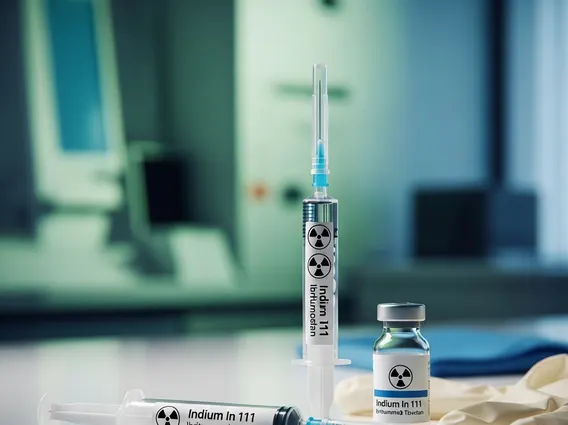
Indium In 111 Ibritumomab Tiuxetan is a unique radioimmunotherapeutic agent specifically designed for the treatment of certain B-cell non-Hodgkin lymphomas. It is a complex molecule that consists of a monoclonal antibody (ibritumomab) chemically linked to a chelator (tiuxetan), which in turn binds to a radioactive isotope, Indium-111. This particular formulation, with Indium-111, serves a crucial diagnostic purpose within a broader treatment regimen. It allows physicians to visualize the biodistribution of the antibody in the patient’s body, ensuring that the subsequent therapeutic dose of a similar agent (often Yttrium-90 ibritumomab tiuxetan) will effectively target the cancerous cells.
This agent represents a significant advancement in targeted cancer therapy, combining the specificity of immunotherapy with the cell-killing power of radiation. Its development addresses the need for more precise treatments that can minimize damage to healthy tissues while maximizing impact on malignant cells. According to the American Cancer Society, non-Hodgkin lymphoma accounts for about 4% of all cancers in the United States, highlighting the importance of targeted therapies like Indium In 111 Ibritumomab Tiuxetan for affected patients.
How Indium In 111 Ibritumomab Tiuxetan Works and What It Treats
The mechanism of action for Indium In 111 Ibritumomab Tiuxetan is rooted in its dual nature: a targeted antibody and a radioactive payload. The ibritumomab antibody specifically binds to the CD20 antigen, a protein found on the surface of normal and malignant B-lymphocytes. Once bound, the radioactive Indium-111 emits gamma radiation, which is detectable by imaging techniques, allowing for a diagnostic scan. This diagnostic step is vital to confirm appropriate targeting and to assess the patient’s suitability for the therapeutic phase, which typically involves Yttrium-90 ibritumomab tiuxetan, an agent that delivers therapeutic beta radiation directly to the tumor cells.
The primary Indium In 111 Ibritumomab Tiuxetan uses are in the management of relapsed or refractory low-grade, follicular, or transformed B-cell non-Hodgkin lymphoma. This includes patients who have not responded to or have relapsed after treatment with rituximab, another CD20-targeting antibody. The treatment regimen is typically administered in a multi-step process:
- Pre-treatment: Patients receive infusions of rituximab to clear normal B-cells from circulation, reducing competition for binding sites and minimizing radiation exposure to healthy tissues.
- Diagnostic Scan: Indium In 111 Ibritumomab Tiuxetan is administered, followed by imaging to confirm proper biodistribution and assess organ uptake.
- Therapeutic Dose: If the diagnostic scan is favorable, a therapeutic dose of Yttrium-90 ibritumomab tiuxetan is given, delivering cytotoxic radiation directly to the CD20-positive lymphoma cells.
This sequential approach ensures that the therapeutic radiation is delivered precisely to the cancerous cells, enhancing efficacy while managing potential side effects. The targeted delivery helps to maximize the anti-tumor effect while sparing healthy cells as much as possible.
Potential Side Effects of Indium In 111 Ibritumomab Tiuxetan
As with many potent cancer therapies, patients undergoing treatment with Indium In 111 Ibritumomab Tiuxetan side effects may experience a range of adverse reactions. The most common and significant side effects are hematologic toxicities, meaning effects on blood cell counts. These can include neutropenia (low white blood cell count), thrombocytopenia (low platelet count), and anemia (low red blood cell count). These effects are typically transient but require close monitoring by healthcare professionals, as they can increase the risk of infection and bleeding.
Other potential side effects, though generally less severe than hematologic issues, can include fatigue, nausea, vomiting, fever, chills, and abdominal pain. Infusion-related reactions can also occur, similar to those seen with other monoclonal antibody therapies. Due to the radioactive component, patients may be given specific instructions regarding radiation safety precautions following treatment. Long-term risks, such as the potential for secondary malignancies, are also a consideration, as with other radiation-based therapies, and are discussed with patients by their oncology team. Comprehensive patient education and vigilant monitoring are essential components of managing these potential adverse effects.