Ileostomy
An ileostomy is a surgical procedure that creates an opening in the abdominal wall, allowing the end of the small intestine (ileum) to be brought through to form a stoma. This procedure diverts waste from the digestive system, often necessary due to various medical conditions affecting the colon or rectum.
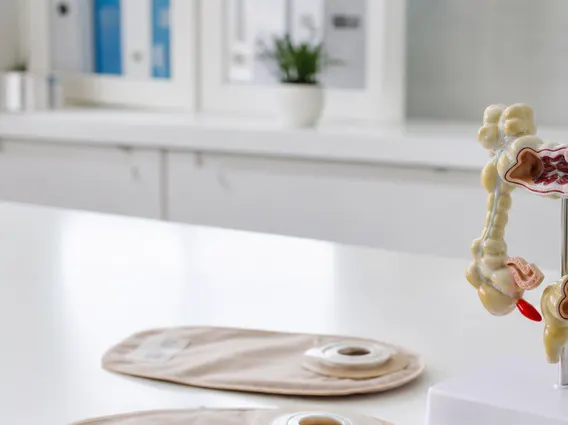
Key Takeaways
- An ileostomy is a surgical opening that redirects the small intestine through the abdominal wall, forming a stoma.
- It is performed to treat conditions like Crohn’s disease, ulcerative colitis, or colorectal cancer.
- There are temporary and permanent types, including end and loop ileostomies.
- Living with an ileostomy involves learning proper stoma care, managing dietary adjustments, and adapting to a new routine.
- With appropriate care and support, individuals can maintain a good quality of life after the procedure.
What is an Ileostomy?
An ileostomy is a surgical procedure that creates an opening, called a stoma, in the abdominal wall. During this procedure, a section of the ileum, which is the final part of the small intestine, is brought through this opening. The primary purpose of an ileostomy is to divert stool away from the large intestine, rectum, or anus, allowing waste to exit the body through the stoma into an external collection pouch.
This surgical intervention is often necessary for individuals suffering from various gastrointestinal conditions. These conditions can include inflammatory bowel diseases such as Crohn’s disease or ulcerative colitis, colorectal cancer, familial adenomatous polyposis, or injuries to the colon or rectum. Depending on the underlying medical condition and the patient’s prognosis, an ileostomy can be either temporary or permanent. A temporary ileostomy may be reversed once the affected part of the bowel has healed, while a permanent one is typically performed when the entire colon or rectum must be removed or bypassed indefinitely.
Ileostomy Surgery Explanation
Ileostomy surgery explanation involves creating a new pathway for waste elimination. The procedure typically begins with the surgeon making an incision in the abdomen. The specific technique used will depend on whether an end ileostomy or a loop ileostomy is performed. In an end ileostomy, the diseased or damaged part of the colon and rectum is removed, and the end of the ileum is brought through the abdominal wall and stitched to the skin, forming the stoma. This type is often permanent.
A loop ileostomy, on the other hand, involves bringing a loop of the small intestine through the abdominal wall. An incision is made in the loop to create two openings: one for stool to exit and another for mucus from the bypassed colon. This type is frequently temporary, allowing the lower part of the bowel to rest and heal before a reversal surgery. The choice between these methods is determined by the patient’s specific condition and the surgeon’s assessment. The surgery can be performed as an open procedure or laparoscopically, which involves smaller incisions and often leads to a quicker recovery time. Post-surgery, patients are fitted with an ostomy pouching system to collect waste.
Living with an Ileostomy: Diet and Care
Adjusting to living with an ileostomy requires learning new routines for diet and stoma care. Immediately after surgery, a specialized diet is often recommended to allow the digestive system to heal and adapt. This typically involves a low-fiber diet, avoiding foods that can cause blockages or excessive gas. Over time, individuals can gradually reintroduce a wider variety of foods, paying close attention to how their body reacts.
Key dietary considerations for individuals with an ileostomy include:
- Hydration: Ileostomies can lead to increased fluid and electrolyte loss, making adequate hydration crucial. Drinking plenty of water, sports drinks, or oral rehydration solutions is often advised.
- Chewing Food Thoroughly: To prevent blockages, especially with fibrous foods, it is important to chew food very well.
- Identifying Trigger Foods: Some foods may cause gas, odor, or loose stools. Keeping a food diary can help identify and manage these triggers.
- Small, Frequent Meals: Eating smaller meals more often can aid digestion and reduce the risk of discomfort.
Proper ileostomy diet and care also involves meticulous management of the stoma and pouching system. This includes regularly emptying and changing the ostomy pouch, cleaning the skin around the stoma, and monitoring for any signs of irritation or infection. Modern ostomy products are designed to be discreet, secure, and odor-proof, allowing individuals to maintain an active and fulfilling lifestyle. Support groups and specialized ostomy nurses play a vital role in educating patients and providing ongoing assistance, ensuring they can confidently manage their condition and improve their quality of life. According to the United Ostomy Associations of America, over 700,000 to 1 million Americans are living with an ostomy, highlighting the prevalence and the need for comprehensive support. (Source: United Ostomy Associations of America).