Il 2
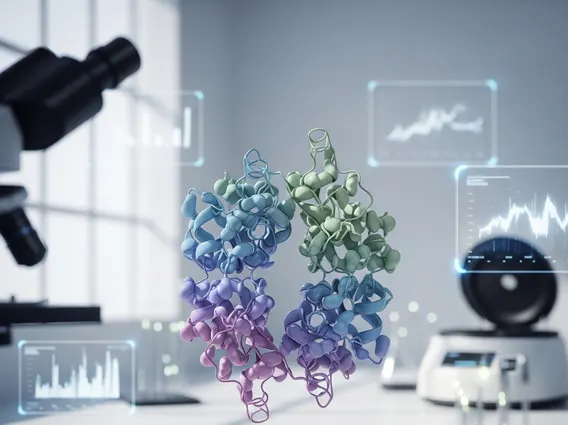
Interleukin-2 (IL-2) is a crucial cytokine that plays a central role in the immune system, primarily by regulating the activity of white blood cells (lymphocytes) responsible for immunity.
Key Takeaways
- Interleukin-2 (IL-2) is a cytokine essential for the proliferation and differentiation of T lymphocytes.
- It plays a critical role in both activating immune responses against pathogens and maintaining immune tolerance.
- IL-2 stimulates the growth of T cells, activates natural killer (NK) cells, and supports the function of regulatory T cells.
- Clinically, IL-2 is used in cancer immunotherapy for conditions like metastatic renal cell carcinoma and metastatic melanoma.
- Despite its therapeutic benefits, IL-2 therapy can be associated with significant side effects due to its potent immune-modulating effects.
What is Interleukin-2 (IL-2)?
Interleukin-2 (IL-2) is a type of cytokine, which are small proteins that act as messengers between cells, particularly within the immune system. It is primarily produced by activated T helper cells, a subset of T lymphocytes, in response to antigenic stimulation. IL-2 is fundamental for the growth, proliferation, and differentiation of T cells, making it a critical regulator of adaptive immunity.
Discovered in the late 1970s, IL-2 was initially known as T-cell growth factor due to its potent ability to stimulate T lymphocyte division. Its discovery marked a significant advancement in understanding how the immune system orchestrates its responses, paving the way for its eventual therapeutic application in various diseases, especially in oncology. Its precise regulation is vital for a balanced immune response, preventing both immunodeficiency and autoimmunity.
The Role and Functions of IL-2 in the Immune System
IL-2 exerts a broad range of effects on various immune cells, making it a multifaceted regulator of immune responses. Its primary function is to promote the proliferation and differentiation of T cells, particularly cytotoxic T lymphocytes (CTLs) that are responsible for killing infected or cancerous cells. It also supports the survival and function of memory T cells, which provide long-term immunity.
Beyond T cells, IL-2 also influences other key immune components. It plays a crucial role in activating natural killer (NK) cells, which are part of the innate immune system and can directly kill tumor cells and virus-infected cells without prior sensitization. Furthermore, IL-2 is essential for the development and maintenance of regulatory T cells (Tregs), which are vital for suppressing excessive immune responses and preventing autoimmune diseases. This dual role highlights IL-2’s importance in both initiating and resolving immune reactions.
Key functions of IL-2 include:
- Promoting T cell proliferation and differentiation.
- Enhancing the cytotoxic activity of natural killer (NK) cells.
- Supporting the development and function of regulatory T cells (Tregs).
- Facilitating the growth of B cells and antibody production.
- Modulating the activity of macrophages and other antigen-presenting cells.
Clinical Applications and Therapeutic Uses of IL-2
Given its powerful immune-stimulating properties, IL-2 has been harnessed for therapeutic purposes, particularly in the field of cancer immunotherapy. High-dose recombinant IL-2 (aldesleukin) was approved by the U.S. Food and Drug Administration (FDA) for the treatment of metastatic renal cell carcinoma and metastatic melanoma. In these cancers, IL-2 therapy aims to boost the patient’s own immune system to recognize and destroy cancer cells.
While effective for some patients, IL-2 therapy is associated with significant side effects, often referred to as cytokine release syndrome, which can include fever, chills, fatigue, capillary leak syndrome, and organ dysfunction. These severe side effects necessitate administration in a hospital setting with close monitoring. Research continues into developing modified forms of IL-2 or combination therapies that can enhance efficacy while reducing toxicity, aiming to broaden its applicability and improve patient outcomes in various cancers and potentially other immune-related conditions.