Igrt
Image-Guided Radiation Therapy (IGRT) represents a significant advancement in cancer treatment, enhancing the precision and effectiveness of radiation delivery. This sophisticated technique allows oncologists to visualize and track tumors during each treatment session, ensuring that radiation is precisely targeted.
Key Takeaways
- IGRT is a specialized form of radiation therapy that uses imaging technology to guide the radiation beam.
- It allows for real-time monitoring of tumor position, accounting for movement due to breathing or organ shifts.
- The primary advantage of IGRT is its ability to deliver higher, more focused radiation doses to cancerous cells while minimizing exposure to surrounding healthy tissues.
- This precision can lead to improved treatment outcomes and a reduction in potential side effects.
- While generally well-tolerated, IGRT can still cause side effects similar to conventional radiation therapy, though often less severe due to enhanced targeting.
What is IGRT (Image-Guided Radiation Therapy)?
Image-Guided Radiation Therapy (IGRT) is a highly advanced form of external beam radiation therapy that utilizes imaging technologies to precisely locate and track tumors before and during each treatment session. This method ensures that the radiation dose is delivered accurately to the cancerous cells, even if the tumor moves due to bodily functions like breathing or digestion. The goal of IGRT is to maximize the radiation dose to the tumor while minimizing exposure to nearby healthy tissues and organs, thereby reducing potential side effects and improving treatment efficacy.
The integration of imaging directly into the treatment process allows for dynamic adjustments. For instance, if a tumor shifts slightly between planning and treatment, or even during a single treatment session, IGRT systems can detect this change and adjust the radiation beam accordingly. This capability is particularly crucial for tumors located in areas prone to movement, such as the lungs, liver, or prostate, where even small displacements can significantly impact treatment accuracy. According to the American Cancer Society, radiation therapy is a common treatment, with more than half of all cancer patients receiving it at some point during their treatment journey, highlighting the importance of precise delivery methods like IGRT.
How IGRT Works and Its Treatment Advantages
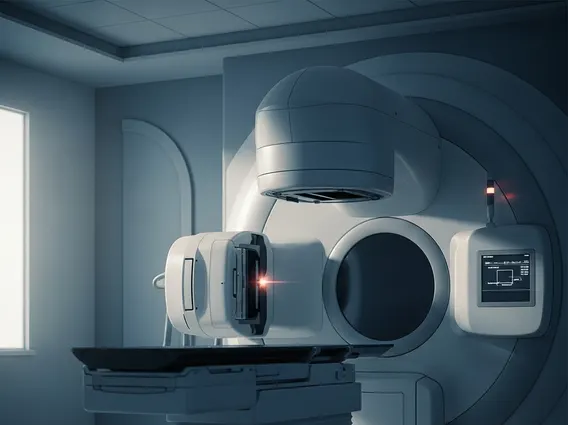
IGRT radiation therapy functions by integrating various imaging modalities directly into the linear accelerator (LINAC) machine that delivers radiation. Before or during each treatment fraction, imaging scans such as X-rays, CT scans, or MRI scans are performed while the patient is in the treatment position. These images are then compared with the initial planning images to confirm the exact location of the tumor and surrounding critical structures. If any discrepancies are detected, the patient’s position or the radiation beam can be adjusted in real-time, ensuring optimal targeting.
The continuous feedback loop provided by IGRT offers several significant benefits of IGRT cancer treatment. By precisely targeting the tumor, clinicians can often deliver higher, more effective doses of radiation directly to the cancerous cells, which can lead to better tumor control and increased chances of remission. Simultaneously, the ability to spare healthy tissues reduces the likelihood and severity of radiation-induced side effects. This enhanced precision is a cornerstone of modern oncology, allowing for more aggressive yet safer treatment plans.
Key advantages of IGRT include:
- Enhanced Accuracy: Real-time imaging ensures the radiation beam consistently hits the target, even with minor patient or tumor movement.
- Reduced Margins: The need for larger safety margins around the tumor is decreased, allowing for less irradiation of healthy tissue.
- Higher Doses: Greater precision enables the safe delivery of higher radiation doses to the tumor, potentially improving treatment effectiveness.
- Fewer Side Effects: By sparing healthy organs, patients often experience fewer and less severe acute and long-term side effects.
- Adaptability: Allows for adjustments to treatment plans if the tumor shrinks or changes shape over the course of therapy.
IGRT Side Effects and Potential Risks
While IGRT significantly improves the precision of radiation delivery, it is still a form of radiation therapy, and patients may experience IGRT side effects and risks. The side effects are generally similar to those associated with conventional radiation therapy, but their severity and incidence can often be reduced due to the enhanced targeting capabilities of IGRT. Common side effects are typically localized to the treated area and can vary depending on the specific body part being treated, the total radiation dose, and individual patient factors.
Acute side effects, which occur during or shortly after treatment, may include skin irritation (redness, dryness, peeling), fatigue, and temporary hair loss in the treated area. If the gastrointestinal tract is in the treatment field, patients might experience nausea, diarrhea, or abdominal discomfort. For treatments near the head and neck, mouth sores, difficulty swallowing, or changes in taste can occur. Long-term or late side effects are less common but can include fibrosis (scarring of tissue), changes in organ function, or, rarely, the development of secondary cancers. However, the precise nature of IGRT aims to minimize these risks by reducing the radiation dose to critical structures, thereby improving the overall safety profile compared to less precise methods.