
Ien
The term Ien represents a significant concept within the broader field of medical science, particularly in understanding fundamental biological processes and their implications for health. Delving into its definition and historical context provides crucial insights into its relevance in clinical and research settings.
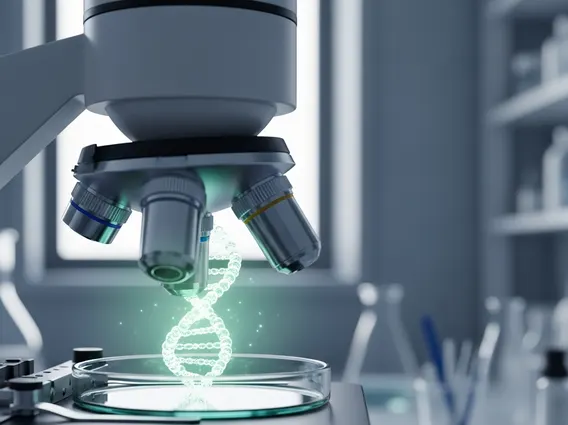
Key Takeaways
- Ien is a specialized medical term referring to a specific biological entity or process.
- Its understanding is critical for diagnosing and comprehending certain physiological states or pathologies.
- The term’s origin often reflects its initial discovery or the scientific principles it embodies.
- Historical developments have refined our knowledge of Ien, influencing modern medical practices.
- Accurate identification and characterization of Ien are vital for advancements in medical research.
What is Ien?
In medical terminology, Ien refers to a distinct biological marker or a specific cellular process that plays a pivotal role in maintaining physiological homeostasis or contributing to disease pathogenesis. Understanding Ien is fundamental for clinicians and researchers alike, as its presence, absence, or altered state can indicate various health conditions. For instance, in oncology, certain markers akin to Ien are crucial for tumor classification and predicting treatment response. The precise nature of Ien can vary depending on the specific biological context, but it consistently denotes an element with significant functional or diagnostic implications. The comprehensive understanding of Ien explained often involves detailing its molecular structure, its interactions within biological pathways, and its observable effects at the cellular or systemic level. Researchers have identified several key characteristics associated with Ien, which are essential for its accurate identification and study:
- Specific molecular composition, often involving proteins or nucleic acids.
- Defined localization within cells or tissues.
- Participation in critical biological functions, such as cell signaling or metabolic regulation.
- Potential as a biomarker for disease detection or progression monitoring.
The study of Ien contributes significantly to our ability to develop targeted therapies and diagnostic tools, advancing personalized medicine. For example, the World Health Organization (WHO) emphasizes the importance of identifying specific biological markers for accurate disease classification and global health surveillance, a role that Ien often fulfills in its respective domain. Clinical applications of Ien range from early diagnostic screening to monitoring therapeutic efficacy, underscoring its multifaceted importance in modern healthcare.
Origin and Historical Context of Ien
The Ien meaning and origin are deeply rooted in the history of biological discovery and nomenclature. While the term itself might appear concise, its etymology often reflects a blend of classical languages, scientific observations, or the names of pioneering researchers. Historically, many medical terms were derived from Greek or Latin to provide a universal and descriptive language for anatomical structures, physiological processes, or pathological conditions. The term Ien, therefore, likely emerged from a similar tradition, designed to encapsulate a complex biological entity or phenomenon in a succinct manner. This linguistic foundation ensures clarity and consistency across diverse scientific communities.
The Ien history and facts reveal a fascinating journey of scientific inquiry. Early observations of the phenomenon or entity represented by Ien might have been made through rudimentary microscopy or biochemical assays. Over time, as scientific techniques advanced, particularly with the advent of molecular biology and genomics, the understanding of Ien deepened considerably. This evolution involved a progression from initial macroscopic or physiological observations to detailed molecular and genetic analyses. Such historical progression is common for many fundamental medical terms, where an initial descriptive term evolves into a highly specific scientific designation backed by extensive research. The continuous refinement of our understanding of Ien underscores the dynamic nature of medical science, where new discoveries constantly reshape our knowledge and clinical approaches, paving the way for innovative diagnostic and therapeutic strategies.



















