Hernia
A Hernia is a common medical condition characterized by the protrusion of an organ or tissue through an abnormal opening in the body. Understanding its nature, symptoms, and treatment options is crucial for effective management and prevention of complications.
Key Takeaways
- A Hernia occurs when an internal organ or tissue pushes through a weak spot in a surrounding muscle or tissue wall.
- Common types include inguinal, umbilical, hiatal, and incisional hernias, each affecting different body areas.
- Symptoms often involve a visible bulge, pain, or discomfort, especially during physical exertion or coughing.
- Causes range from congenital weaknesses to increased abdominal pressure due to factors like heavy lifting or chronic straining.
- Diagnosis typically involves a physical examination, and surgical repair is often the recommended treatment to prevent serious complications.
What is Hernia: Definition and Types
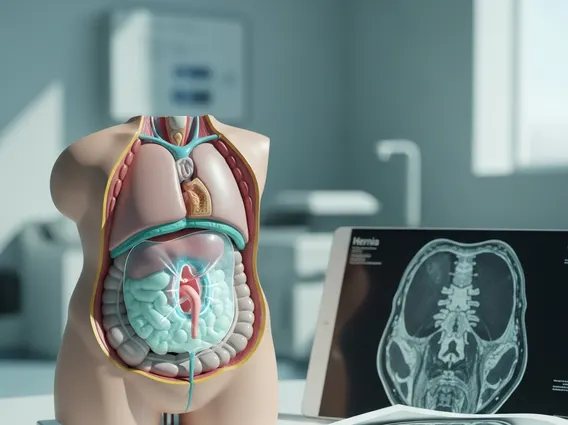
A Hernia is a condition where an organ, intestine, or fatty tissue pushes through a weak spot in the surrounding muscle or connective tissue. This protrusion creates a bulge that can be visible or felt, often causing discomfort or pain. While hernias can occur in various parts of the body, they are most commonly found in the abdominal area.
Understanding the different types of hernia explained is essential for proper identification and treatment. The most prevalent types include:
- Inguinal Hernia: This is the most common type, occurring when part of the intestine or fatty tissue protrudes through a weak spot in the abdominal wall, often into the inguinal canal in the groin. They are significantly more common in men.
- Femoral Hernia: Less common than inguinal hernias, these occur when tissue pushes through a weak spot in the lower abdominal wall into the femoral canal, near the thigh. They are more frequent in women.
- Umbilical Hernia: This type occurs when part of the intestine or fatty tissue protrudes through the abdominal wall near the navel (belly button). They are common in infants and often close on their own, but can also affect adults.
- Hiatal Hernia: In this case, part of the stomach pushes up through the diaphragm (the muscle separating the chest and abdomen) into the chest cavity. This type often causes symptoms like heartburn and acid reflux.
- Incisional Hernia: These hernias can develop at the site of a previous surgical incision, where the abdominal wall has been weakened.
Globally, hernias are a common surgical condition. For instance, inguinal hernias alone account for approximately 75% of all abdominal wall hernias, with a lifetime risk of 27% for men and 3% for women, according to data compiled from various surgical studies.
Hernia Symptoms and Causes
Recognizing hernia symptoms and causes is crucial for early intervention. The most common symptom is a noticeable bulge or lump in the affected area, which may become more prominent when standing, coughing, or straining. This bulge might disappear when lying down. Other symptoms can include pain or discomfort, especially during physical activity, a feeling of heaviness or pressure, and sometimes a burning or aching sensation in the area of the bulge.
The underlying causes of a Hernia typically involve a combination of muscle weakness and increased pressure. Weakness in the muscle or connective tissue can be congenital (present from birth) or develop over time due to aging, injury, or previous surgery. Factors that increase pressure within the abdomen can then force tissue through these weak spots. Common contributors to increased abdominal pressure include:
- Chronic coughing or sneezing
- Straining during bowel movements or urination
- Heavy lifting
- Obesity
- Pregnancy
- Fluid in the abdomen (ascites)
In some cases, a hernia can become incarcerated, meaning the protruding tissue becomes trapped and cannot be pushed back into place. If the blood supply to the trapped tissue is cut off, it becomes strangulated, which is a medical emergency requiring immediate attention to prevent tissue death and severe complications.
Hernia Diagnosis and Treatment
The process of hernia diagnosis and treatment typically begins with a physical examination. A doctor will usually feel for a bulge in the affected area, often asking the patient to stand, cough, or strain to make the hernia more apparent. In some cases, imaging tests such as an ultrasound, CT scan, or MRI may be used to confirm the diagnosis, especially if the hernia is not easily felt or if other conditions need to be ruled out.
Once diagnosed, the treatment for a Hernia largely depends on its size, type, and the severity of symptoms. Small, asymptomatic hernias, particularly umbilical hernias in infants, may be monitored with a “wait and see” approach. However, most adult hernias, especially those causing pain or growing in size, typically require surgical repair to prevent potential complications like incarceration or strangulation. Surgical options include:
- Open Hernia Repair (Herniorrhaphy): This involves making an incision near the hernia, pushing the protruding tissue back into the abdomen, and then stitching the weakened muscle wall. Often, a synthetic mesh is used to reinforce the area (hernioplasty).
- Laparoscopic Hernia Repair: This minimally invasive procedure uses several small incisions, a laparoscope (a thin tube with a camera), and specialized instruments to repair the hernia from the inside. Mesh is also commonly used in this approach. This method generally results in less pain and a quicker recovery time compared to open surgery.
The choice between open and laparoscopic repair depends on various factors, including the type and size of the hernia, the patient’s overall health, and the surgeon’s expertise. Post-surgery, patients are typically advised to avoid heavy lifting and strenuous activities for a period to allow for proper healing and to reduce the risk of recurrence.