Glucuronic Acid
Glucuronic Acid is a naturally occurring sugar acid that plays a pivotal role in various metabolic processes within the human body. It is a key component in detoxification and the synthesis of essential structural molecules.
Key Takeaways
- Glucuronic Acid is a sugar acid crucial for detoxification and the synthesis of connective tissues.
- Its primary function involves glucuronidation, a process that helps the body eliminate toxins, drugs, and hormones.
- It is a vital building block for important biomolecules like mucopolysaccharides, which are essential for joint health and tissue structure.
- The body produces Glucuronic Acid endogenously, and it can also be obtained from certain dietary sources.
What is Glucuronic Acid?
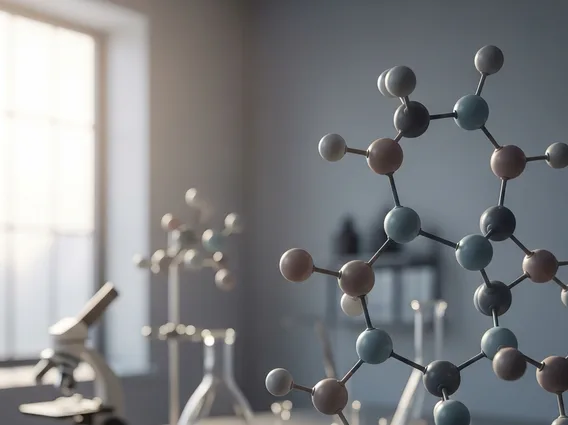
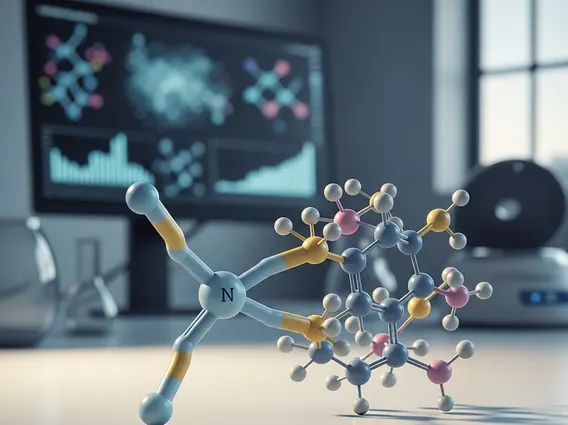
Glucuronic Acid is a uronic acid derived from glucose, where the sixth carbon atom of glucose has been oxidized to a carboxyl group. This makes it a sugar acid rather than a simple sugar. It is an essential component found throughout the human body, participating in numerous biochemical pathways. Its unique chemical structure allows it to bind with various substances, facilitating their metabolism and elimination. This compound is not only synthesized by the body but also plays a crucial role in the structure of connective tissues and the detoxification of harmful substances.
As a derivative of glucose, Glucuronic Acid is a monosaccharide, but unlike glucose, it is not typically used for energy production. Instead, its primary importance lies in its functional groups, particularly the carboxyl group, which enables it to form conjugates with a wide array of compounds. This conjugation process is fundamental to maintaining cellular health and systemic balance, underscoring its significance in human physiology.
Functions and Benefits of Glucuronic Acid in the Body
The primary glucuronic acid function in body is its involvement in a detoxification pathway known as glucuronidation. This process, mainly occurring in the liver, involves conjugating Glucuronic Acid with various endogenous and exogenous substances, transforming them into more water-soluble compounds that can be easily excreted from the body via urine or bile. This mechanism is vital for neutralizing and eliminating a broad spectrum of compounds, including:
- Pharmaceutical drugs (e.g., acetaminophen, ibuprofen)
- Environmental toxins and pollutants
- Steroid hormones (e.g., estrogen, testosterone)
- Bilirubin (a byproduct of red blood cell breakdown)
- Bile acids
Beyond detoxification, the glucuronic acid benefits extend to its role as a precursor for the synthesis of important biomolecules. It is a key building block for mucopolysaccharides, also known as glycosaminoglycans (GAGs), which are essential components of connective tissues. These include hyaluronic acid, chondroitin sulfate, and heparan sulfate, which contribute to the structure, elasticity, and hydration of cartilage, skin, tendons, and synovial fluid. For instance, hyaluronic acid, a GAG containing Glucuronic Acid, is critical for joint lubrication and skin hydration, highlighting its importance for musculoskeletal and dermatological health.
Adequate levels of Glucuronic Acid are therefore crucial for maintaining efficient detoxification pathways and supporting the integrity of connective tissues throughout the body. Its multifaceted roles underscore its significance in overall physiological well-being.
Sources of Glucuronic Acid
The human body is capable of synthesizing Glucuronic Acid endogenously from glucose through a metabolic pathway known as the uronic acid pathway. This internal production ensures a baseline supply of the compound for essential bodily functions. However, there are also dietary sources of glucuronic acid that can supplement the body’s natural production. While Glucuronic Acid itself is not widely available as a direct nutrient in large quantities, its precursors and related compounds are found in various foods.
Foods rich in complex carbohydrates and certain plant compounds can contribute to the body’s supply or utilization of Glucuronic Acid. These include:
- Fruits: Apples, oranges, and grapes contain compounds that can support glucuronidation.
- Vegetables: Broccoli, cabbage, and other cruciferous vegetables are known to enhance detoxification pathways.
- Fermented foods: Kombucha, a fermented tea, is often cited as a source of Glucuronic Acid, though the exact concentration can vary.
- Certain gums and mucilages: These plant-derived substances contain uronic acids as part of their structure.
Consuming a balanced diet rich in fruits, vegetables, and whole grains generally supports the body’s natural ability to produce and utilize Glucuronic Acid effectively for its vital roles in detoxification and tissue maintenance.