
Glial Cell
Glial cells, often referred to as neuroglia, are non-neuronal cells that play a crucial supportive role in the central and peripheral nervous systems. These cells are essential for maintaining the health and functionality of neurons, which are responsible for transmitting electrical and chemical signals throughout the body.
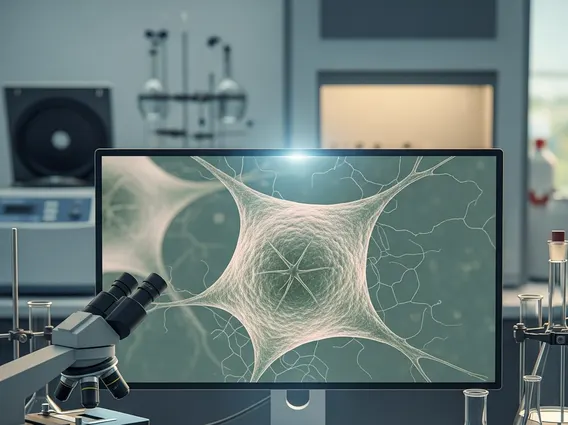
Key Takeaways
- Glial cells are non-neuronal cells vital for nervous system function, providing support and protection to neurons.
- They encompass several types, each with specialized roles, including structural support, insulation, and immune defense.
- These cells are critical for brain development, maintaining the blood-brain barrier, and facilitating neural communication.
- Dysfunction in glial cells is increasingly recognized as a factor in various neurological disorders and diseases.
- Understanding glial cell function is key to advancing treatments for brain and spinal cord conditions.
What is a Glial Cell?
A Glial Cell refers to any of the diverse non-neuronal cells that form myelin, maintain homeostasis, provide support and protection for neurons, and play a role in neurotransmission. While neurons are often highlighted for their role in transmitting information, glial cells are far more numerous in the brain and are indispensable for its proper functioning. The glial cell definition and importance stem from their fundamental contributions to the nervous system’s architecture and metabolic support, ensuring neurons can perform their complex tasks efficiently.
These cells are not merely passive support structures; they actively participate in brain activity, influencing synaptic function, regulating the extracellular environment, and responding to injury. Their collective actions are vital for the overall health and resilience of the nervous system. For instance, it is estimated that glial cells constitute approximately half of the brain’s volume, underscoring their significant presence and functional necessity, as highlighted by various neurological research institutions.
Types and Functions of Glial Cells
The nervous system contains several distinct types of glial cells, each with specialized functions that contribute to the overall health and operation of neurons. Understanding glial cell function and types is crucial for appreciating their complex roles. These cells are broadly categorized based on their location in either the central nervous system (CNS) or the peripheral nervous system (PNS).
In the CNS, the primary types of glial cells include:
- Astrocytes: These star-shaped cells are the most abundant glial cells in the CNS. They provide structural support, regulate the chemical environment around neurons by clearing excess neurotransmitters, form the blood-brain barrier, and supply nutrients to neurons.
- Oligodendrocytes: Responsible for producing myelin, a fatty sheath that insulates axons in the CNS. Myelin significantly increases the speed of electrical signal transmission along neurons.
- Microglia: These are the immune cells of the CNS. They act as phagocytes, engulfing cellular debris, pathogens, and dead neurons, thereby protecting the brain from infection and injury.
- Ependymal Cells: Lining the ventricles of the brain and the central canal of the spinal cord, ependymal cells produce and circulate cerebrospinal fluid (CSF), which cushions the brain and spinal cord.
In the PNS, the main types of glial cells are:
- Schwann Cells: Similar to oligodendrocytes, Schwann cells produce myelin for axons in the PNS. Each Schwann cell typically myelinates only one axon segment.
- Satellite Cells: These cells surround neuron cell bodies in the PNS ganglia, providing structural support and regulating the external chemical environment.
Each type plays a unique yet interconnected role, ensuring the nervous system can effectively process and transmit information.
Role of Glial Cells in Brain Health
The role of glial cells in the brain extends far beyond simple support; they are active participants in maintaining brain health, development, and repair. During brain development, glial cells guide neuronal migration, help form synapses, and prune unnecessary connections, shaping the intricate neural networks. In the adult brain, they are critical for maintaining homeostasis, regulating blood flow, and mediating inflammatory responses.
For example, astrocytes are integral to the blood-brain barrier, a highly selective semipermeable border that protects the brain from circulating toxins and pathogens while allowing essential nutrients to pass through. Microglia, as the brain’s resident immune cells, are crucial for responding to injury and infection, clearing debris, and initiating repair processes. However, chronic activation of microglia can contribute to neuroinflammation, a factor implicated in neurodegenerative diseases like Alzheimer’s and Parkinson’s. Dysfunction in oligodendrocytes, leading to demyelination, is a hallmark of conditions such as multiple sclerosis, severely impairing neural communication. Ongoing research continues to uncover the profound and multifaceted impact of glial cells on both healthy brain function and the pathogenesis of neurological disorders.



















