Germ Cell
Germ cells are fundamental biological units responsible for sexual reproduction, carrying genetic information from one generation to the next. They are unique in their ability to undergo meiosis, a specialized cell division process.
Key Takeaways
- Germ cells are specialized reproductive cells that transmit genetic information.
- They are categorized into male (spermatozoa precursors) and female (oocyte precursors) types.
- Germ cells undergo meiosis, reducing their chromosome number by half to form haploid gametes.
- Their development begins early in embryogenesis, migrating to the gonads to mature.
- These cells are essential for fertility, heredity, and the continuation of species.
What is a Germ Cell?
A Germ Cell is any biological cell that gives rise to the gametes of an organism that reproduces sexually. These cells are distinct from somatic cells, which make up the rest of the body and are not involved in reproduction. Germ cells are crucial for the continuity of life, as they are the sole carriers of an organism’s genetic material to its offspring. Their unique characteristic lies in their capacity to undergo meiosis, a specialized type of cell division that reduces the chromosome number by half, producing haploid cells.
The lineage of germ cells, known as the germline, is established very early in embryonic development. These cells are protected from mutations and environmental damage to ensure the integrity of the genetic information passed down through generations. In humans, germ cells are found in the gonads—the testes in males and the ovaries in females—where they mature into sperm and eggs, respectively. Understanding these cells is vital for reproductive biology and medicine.
Germ Cell Function and Types
The primary germ cell function and types are centered around the production of gametes, which are the mature reproductive cells. This process ensures genetic diversity and the perpetuation of species. There are two main types of germ cells, corresponding to male and female reproductive systems:
- Spermatogonia: These are the male germ cells found in the testes. They are stem cells that can divide mitotically to produce more spermatogonia or differentiate into primary spermatocytes, which then undergo meiosis to form sperm.
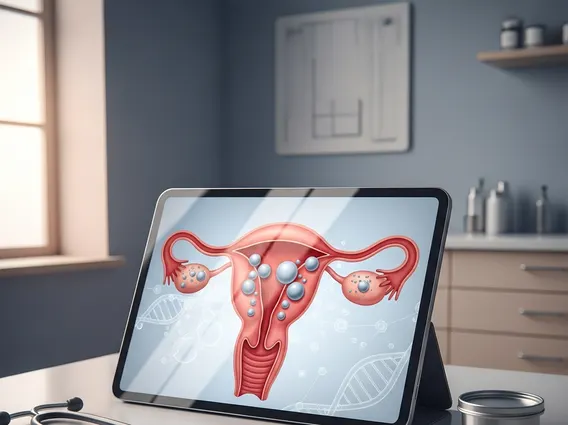
- Oogonia: These are the female germ cells located in the ovaries. Oogonia proliferate mitotically during fetal development and then differentiate into primary oocytes, which enter meiosis but pause at an early stage until puberty.
Both spermatogonia and oogonia are diploid, meaning they contain a full set of chromosomes. Their ultimate function is to produce haploid gametes (sperm and eggs) that, upon fertilization, combine to restore the diploid state in the zygote, initiating the development of a new organism. This intricate process highlights their indispensable role in sexual reproduction.
Germ Cell Development and Role in Reproduction
The germ cell development process is a complex and highly regulated journey that begins early in embryonic life. Specialized cells known as primordial germ cells (PGCs) are first identified outside the developing embryo proper. These PGCs then embark on a migratory path, eventually colonizing the developing gonads (testes or ovaries), where they differentiate into spermatogonia in males or oogonia in females.
Once in the gonads, these germ cells undergo further proliferation and maturation. In males, spermatogonia continuously produce sperm throughout reproductive life. In females, oogonia develop into primary oocytes during fetal development, and these oocytes remain dormant until puberty. At puberty, a subset of oocytes matures and is released monthly. The critical role of germ cells in reproduction is to ensure the accurate transmission of genetic material from parents to offspring. Through meiosis, they halve the chromosome number, creating haploid gametes. This reduction is essential for maintaining the species’ characteristic chromosome number after fertilization, where two haploid gametes fuse to form a diploid zygote. This process not only ensures genetic continuity but also introduces genetic variation through recombination, which is vital for adaptation and evolution.