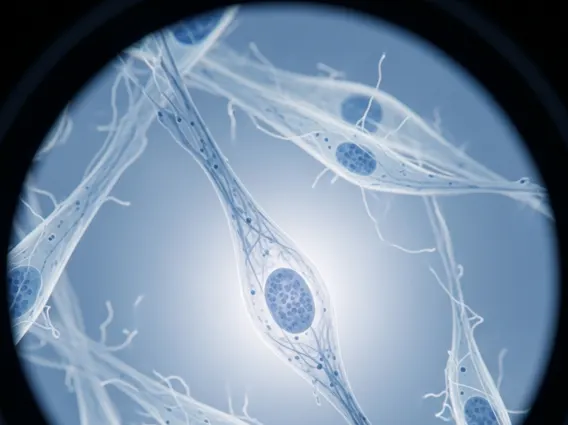
Germ
A Germ refers to any microscopic organism that can cause disease. These tiny entities are ubiquitous in our environment and play a significant role in human health, ranging from harmless to highly pathogenic.
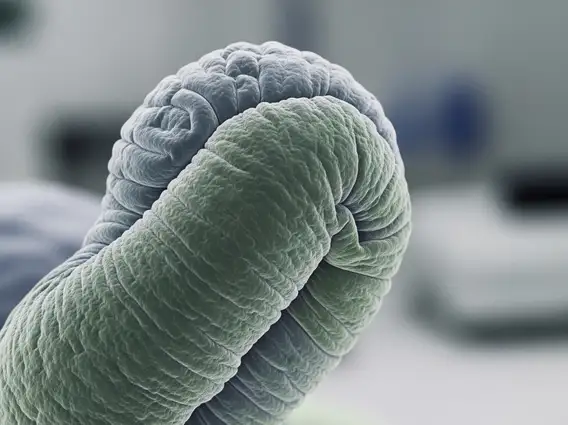
Key Takeaways
- Germs are microscopic organisms, including bacteria, viruses, fungi, and protozoa, capable of causing illness.
- They spread through various means, such as direct contact, airborne particles, contaminated surfaces, and vectors.
- Infectious diseases caused by germs are a major global health concern, affecting millions annually.
- Understanding how germs operate and spread is crucial for effective prevention and control of infections.
- Good hygiene practices, vaccination, and public health measures are essential in mitigating the impact of germs.
What is a Germ?
A Germ is a general term used to describe microscopic organisms that can cause disease. These pathogens are too small to be seen with the naked eye and encompass a diverse group of biological agents, each with unique characteristics and mechanisms of action. While many microorganisms are harmless or even beneficial, the term “germ” typically refers to those that are pathogenic, meaning they have the potential to infect a host and lead to illness. Understanding what is Germ involves recognizing their pervasive presence and their capacity to impact health.
These tiny invaders can range significantly in size and complexity, from single-celled bacteria to even smaller, non-cellular viruses. Their ability to replicate rapidly and adapt to different environments makes them formidable agents of disease. The study of germs, known as microbiology, is fundamental to developing strategies for preventing and treating infectious conditions.
Types of Germs and How They Spread
There are several main types of germs, each with distinct biological features and methods of causing disease. The primary categories include bacteria, viruses, fungi, and protozoa. Bacteria are single-celled organisms that can live in various environments, some of which cause infections like strep throat or urinary tract infections. Viruses are even smaller, non-living particles that require a host cell to replicate, leading to illnesses such as the common cold, flu, or COVID-19. Fungi, like yeasts and molds, can cause skin infections or respiratory problems. Protozoa are single-celled parasites that can cause diseases like malaria or giardiasis.
Understanding how germs spread is critical for preventing infections. Germs can be transmitted through various pathways, facilitating their movement from one host to another or from the environment to a host. Common modes of transmission include:
- Direct Contact: This involves physical contact with an infected person or animal, such as touching, kissing, or sexual contact.
- Indirect Contact: Germs can survive on inanimate objects (fomites) like doorknobs, shared utensils, or contaminated surfaces, and then transfer to a new host when touched.
- Airborne Transmission: When an infected person coughs, sneezes, or talks, tiny respiratory droplets containing germs can travel through the air and be inhaled by others.
- Food and Waterborne Transmission: Consuming contaminated food or water can introduce germs into the digestive system, leading to illnesses like food poisoning or cholera.
- Vector-borne Transmission: Some germs are transmitted through vectors, such as insects (e.g., mosquitoes spreading malaria) or ticks.
Effective hygiene practices, such as handwashing, and public health interventions, like ensuring clean water supplies, are vital in interrupting these transmission routes.
Germs and the Diseases They Cause
The relationship between germs and diseases is profound, with these microscopic agents being responsible for a vast array of human illnesses. The specific disease caused depends on the type of germ, its virulence, and the host’s immune response. For instance, bacteria can cause bacterial pneumonia, tuberculosis, or tetanus. Viruses are responsible for measles, chickenpox, HIV/AIDS, and many respiratory infections. Fungal infections might include athlete’s foot or candidiasis, while protozoa can lead to diarrheal diseases or parasitic infections affecting various organs.
Infectious diseases caused by germs remain a leading cause of morbidity and mortality worldwide. According to the World Health Organization (WHO), infectious and parasitic diseases were among the top causes of death globally in 2019, highlighting their persistent impact on public health. The emergence of new pathogens and the resurgence of old ones underscore the ongoing challenge posed by germs.
Preventing diseases caused by germs involves a multi-faceted approach. This includes maintaining good personal hygiene, practicing safe food handling, ensuring access to clean water and sanitation, and adhering to vaccination schedules. Vaccines have proven to be one of the most effective tools in preventing many infectious diseases, significantly reducing the incidence of conditions like polio, measles, and tetanus.