Genitourinary System
The genitourinary system is a vital part of the human body, encompassing the organs responsible for both urinary excretion and reproduction. Its intricate design ensures the maintenance of bodily fluid balance and the continuation of species.
Key Takeaways
- The Genitourinary System combines the urinary and reproductive organs due to their close anatomical and physiological relationship.
- It plays crucial roles in filtering waste from the blood, maintaining electrolyte balance, and facilitating reproduction.
- Key components include the kidneys, bladder, and urethra for the urinary tract, and gonads and associated ducts for the reproductive system.
- Dysfunction in this system can lead to a wide range of conditions, from common infections to chronic diseases.
- Understanding its anatomy and function is essential for diagnosing and treating various health issues.
What is the Genitourinary System?
The genitourinary system refers to the organ system that includes both the urinary and reproductive organs. These two systems are often grouped because of their shared embryonic development, anatomical proximity, and the fact that they utilize some common ducts, particularly in males. The primary function of the urinary system is to filter blood, produce, store, and excrete urine, thereby removing waste products and maintaining electrolyte and fluid balance. Simultaneously, the reproductive system is responsible for producing gametes (sperm and eggs) and hormones necessary for procreation and sexual development. This integrated approach helps in understanding how conditions affecting one part of the system can often impact the other, providing a comprehensive view of the body’s excretory and reproductive mechanisms.
Understanding the genitourinary system explained involves recognizing its dual role in maintaining homeostasis and ensuring the propagation of life. The close relationship between these two systems means that healthcare professionals often evaluate them together when diagnosing and treating various conditions. For instance, infections or structural abnormalities can affect both urinary and reproductive functions, highlighting the interconnectedness of these vital bodily processes.
Genitourinary System Anatomy and Function
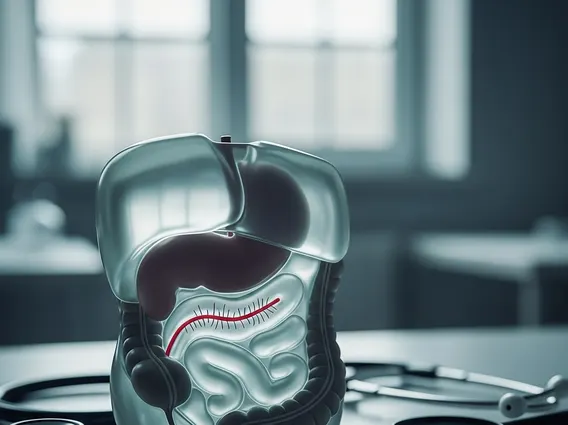
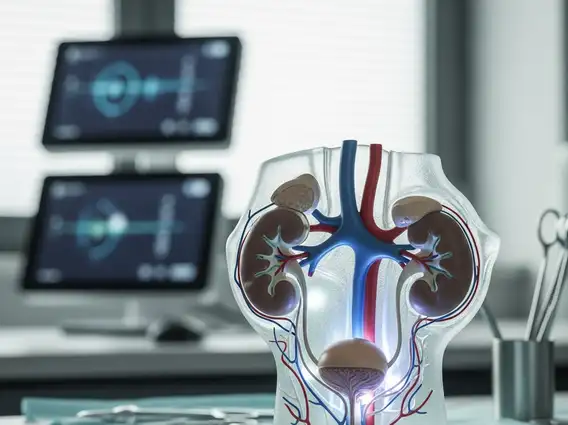
The genitourinary system anatomy and function are complex, involving several key organs working in concert. The urinary components include the kidneys, ureters, bladder, and urethra. The kidneys, a pair of bean-shaped organs, are responsible for filtering waste products and excess water from the blood to produce urine. This process is crucial for regulating blood pressure, red blood cell production, and bone health. The urine then travels from the kidneys through two tubes called ureters to the bladder, a muscular sac that stores urine until it is expelled from the body via the urethra.
The reproductive components differ significantly between sexes. In males, the system includes the testes (which produce sperm and testosterone), epididymis, vas deferens, seminal vesicles, prostate gland, and penis. In females, it comprises the ovaries (which produce eggs and hormones like estrogen and progesterone), fallopian tubes, uterus, cervix, and vagina. While their primary roles are distinct, the anatomical proximity and shared pathways (like the male urethra serving both urinary and seminal fluid excretion) underscore why they are often considered as a single system. For example, the male urethra transports both urine and semen, illustrating a direct functional overlap.
Common Genitourinary System Diseases
A wide array of conditions can affect the genitourinary system, ranging from acute infections to chronic diseases and cancers. These conditions can significantly impact a person’s quality of life and, if left untreated, can lead to serious health complications. Early diagnosis and appropriate treatment are crucial for managing these diseases effectively.
Some of the common genitourinary system diseases include:
- Urinary Tract Infections (UTIs): These are bacterial infections that can affect any part of the urinary system, most commonly the bladder and urethra. Women are more susceptible to UTIs than men, with approximately 50-60% of women experiencing at least one UTI in their lifetime, according to the National Institute of Diabetes and Digestive and Kidney Diseases (NIDDK).
- Kidney Stones: Hard deposits made of minerals and salts that form inside the kidneys. They can cause severe pain as they pass through the urinary tract.
- Benign Prostatic Hyperplasia (BPH): An enlargement of the prostate gland, common in older men, which can cause urinary symptoms such as frequent urination, urgency, and a weak stream.
- Sexually Transmitted Infections (STIs): Infections like chlamydia, gonorrhea, and syphilis can affect the reproductive organs and, in some cases, the urinary tract.
- Cancers: Malignancies can arise in various parts of the genitourinary system, including bladder cancer, kidney cancer, prostate cancer (in men), and ovarian or cervical cancer (in women).
- Incontinence: The involuntary leakage of urine, which can result from various factors including weakened pelvic floor muscles, nerve damage, or an overactive bladder.
These conditions often present with symptoms such as pain during urination, changes in urinary frequency or urgency, blood in the urine, or pelvic pain. Consulting a healthcare professional for proper diagnosis and treatment is essential for anyone experiencing such symptoms.