Free Radical Scavenger
A Free Radical Scavenger is a crucial element in maintaining cellular health, playing a vital role in neutralizing harmful molecules within the body. Understanding their function is key to appreciating their impact on overall well-being and disease prevention.

Key Takeaways
- Free Radical Scavengers are compounds that neutralize free radicals, preventing cellular damage.
- They work by donating electrons to unstable free radicals, stabilizing them and reducing oxidative stress.
- Benefits include protecting cells from damage, supporting immune function, and potentially reducing the risk of chronic diseases.
- Many natural sources, such as fruits, vegetables, and certain vitamins, act as effective free radical scavengers.
- Incorporating a diet rich in these natural scavengers is a practical approach to support cellular health.
What is a Free Radical Scavenger?
A Free Radical Scavenger refers to any molecule that can neutralize free radicals, which are unstable atoms or molecules with unpaired electrons. These highly reactive species can cause significant damage to cells, proteins, and DNA through a process known as oxidative stress. Oxidative stress is implicated in various health conditions, including aging, inflammation, and chronic diseases.
The body naturally produces free radicals as byproducts of metabolic processes, but external factors like pollution, radiation, and certain chemicals can also contribute to their formation. Free radical scavengers act as a defense mechanism, intercepting these harmful molecules before they can inflict widespread damage, thereby helping to maintain cellular integrity and function.
How Free Radical Scavengers Work and Their Benefits
Free radical scavengers work primarily by donating an electron to a free radical, thereby stabilizing it and preventing it from reacting with and damaging other molecules. This electron donation process effectively “scavenges” the free radical, rendering it harmless. Different types of scavengers employ various mechanisms, but the core principle involves neutralizing the unpaired electron that makes free radicals so reactive.
The benefits of free radical scavengers are extensive, stemming from their ability to mitigate oxidative stress. By protecting cells from damage, they support numerous physiological processes. These benefits include:
- Cellular Protection: They safeguard vital cellular components like DNA, lipids, and proteins from oxidative damage, which is crucial for normal cell function and replication.
- Immune System Support: By reducing cellular stress, they help maintain a robust immune response, enabling the body to better defend against pathogens.
- Reduced Inflammation: Oxidative stress often triggers inflammatory pathways; scavengers can help dampen this response, contributing to overall reduced inflammation.
- Anti-Aging Effects: While not stopping aging, by protecting cells from damage, they can help preserve tissue function and appearance over time.
- Disease Prevention: Chronic oxidative stress is linked to conditions such as cardiovascular disease, neurodegenerative disorders, and certain cancers. By neutralizing free radicals, scavengers may help lower the risk of developing these conditions.
Natural Sources of Free Radical Scavengers
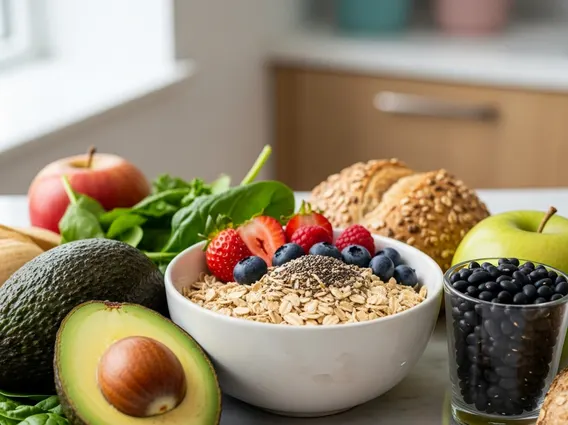
Many compounds found in nature act as effective free radical scavengers, making a diet rich in fruits, vegetables, and whole grains a powerful strategy for supporting health. These natural free radical scavengers are abundant in various plant-based foods, providing a wide array of protective benefits.
Key categories of natural free radical scavengers include vitamins, minerals, and phytochemicals. Incorporating a diverse range of these foods into your daily diet can significantly enhance your body’s defense against oxidative stress. Some prominent examples include:
- Vitamin C: Found in citrus fruits, bell peppers, and berries.
- Vitamin E: Abundant in nuts, seeds, and leafy green vegetables.
- Beta-carotene: Present in carrots, sweet potatoes, and spinach, converting to Vitamin A in the body.
- Selenium: Found in Brazil nuts, seafood, and whole grains.
- Flavonoids: Common in berries, apples, tea, and dark chocolate.
- Polyphenols: Rich in grapes, red wine, and green tea.
While dietary supplements containing these compounds are available, obtaining free radical scavengers from whole foods is generally recommended, as foods provide a complex mix of nutrients that work synergistically. Always consult with a healthcare professional before making significant changes to your diet or starting new supplements.