
Fetal
In medicine, Fetal refers to the stage of human development from the ninth week after conception until birth. This critical period is characterized by rapid growth and the maturation of organs and systems, transforming an embryo into a fully formed infant.
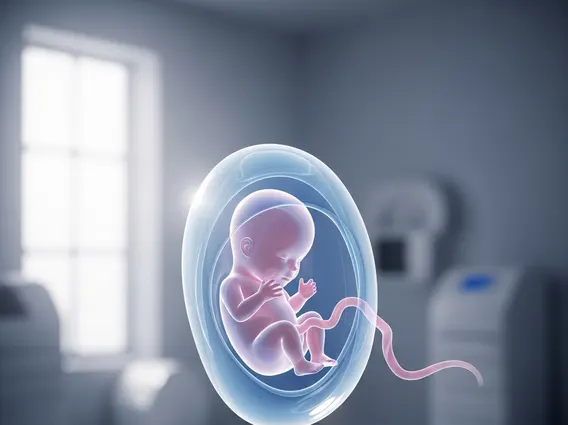
Key Takeaways
- Fetal development encompasses the intricate process of growth and maturation from the ninth week post-conception until birth.
- The journey of fetal growth is typically divided into trimesters, each marked by distinct developmental milestones.
- Maintaining optimal fetal health requires comprehensive prenatal care, proper maternal nutrition, and avoidance of harmful substances.
- Regular monitoring and early detection of potential issues are crucial for ensuring a healthy pregnancy outcome.
What is Fetal Development?
Fetal development is the complex biological process by which a human embryo transforms into a fetus, growing and maturing within the mother’s uterus. This stage begins approximately nine weeks after fertilization and continues until birth, typically around 40 weeks of gestation. During this period, all major organs and body systems, which were initially formed during the embryonic stage, undergo significant growth, differentiation, and functional maturation.
The process of fetal development involves intricate cellular processes, including cell proliferation, migration, and specialization, leading to the formation of tissues, organs, and complex anatomical structures. For instance, the brain undergoes rapid expansion, the heart develops its four chambers and begins efficient pumping, and the lungs mature in preparation for breathing outside the womb. This continuous progression ensures the fetus is adequately prepared for independent life after delivery, making understanding this phase vital for prenatal care.
Stages of Fetal Growth
The journey of stages of fetal growth is commonly divided into three trimesters, each spanning approximately three months, with distinct developmental milestones. While development is continuous, these stages help categorize the remarkable changes occurring.
The first trimester (weeks 1-12) sees the transition from embryo to fetus. By the end of this stage, all major organs have begun to form, and the fetus starts to move, though these movements are not yet felt by the mother. The second trimester (weeks 13-27) is a period of rapid growth and refinement. The fetus’s organ systems continue to mature, and the mother typically begins to feel fetal movements. The third trimester (weeks 28-40) is characterized by significant weight gain and the final maturation of the lungs and brain, preparing the fetus for birth. During this time, the fetus practices breathing movements and develops reflexes necessary for survival outside the womb.
To illustrate the progression, here is a summary of key developments:
| Trimester | Approximate Weeks | Key Developmental Milestones |
|---|---|---|
| First | 1-12 | Formation of major organs, heart begins to beat, limb buds appear, transition from embryo to fetus. |
| Second | 13-27 | Rapid growth, organ systems mature, mother feels movement (quickening), sex organs develop. |
| Third | 28-40 | Significant weight gain, lung and brain maturation, development of reflexes, positioning for birth. |
Fetal Health Information
Ensuring optimal fetal health information is paramount for a successful pregnancy and the well-being of the child. Comprehensive prenatal care is the cornerstone of promoting healthy fetal development. This includes regular check-ups, monitoring the mother’s health, and tracking the fetus’s growth and development through ultrasounds and other diagnostic tools. According to the World Health Organization (WHO), quality antenatal care can significantly reduce maternal and perinatal mortality and morbidity by identifying and managing potential risks early.
Maternal lifestyle choices play a critical role in fetal health. A balanced diet rich in essential nutrients, including folic acid, iron, and calcium, supports healthy growth. Conversely, exposure to harmful substances can have severe consequences. For instance, alcohol consumption during pregnancy can lead to Fetal Alcohol Spectrum Disorders (FASDs), while smoking is linked to preterm birth, low birth weight, and other complications. Avoiding illicit drugs, certain medications without medical supervision, and environmental toxins is also crucial. Regular, moderate exercise, as advised by a healthcare provider, can also contribute positively to maternal and fetal well-being.
Key aspects of maintaining fetal health include:
- Prenatal Vitamins: Taking prescribed prenatal vitamins, especially those containing folic acid, to prevent neural tube defects.
- Healthy Diet: Consuming a balanced diet with plenty of fruits, vegetables, lean proteins, and whole grains.
- Avoidance of Harmful Substances: Abstaining from alcohol, tobacco, and recreational drugs.
- Regular Medical Check-ups: Attending all scheduled prenatal appointments for monitoring and guidance.
- Managing Chronic Conditions: Effectively managing pre-existing conditions like diabetes or hypertension under medical supervision.



















