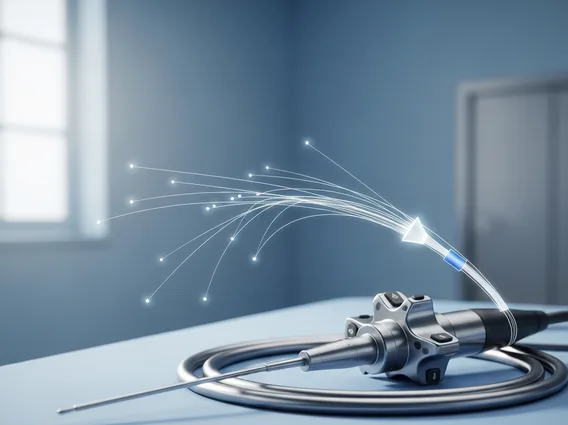
Esophagoscopy
Esophagoscopy is a crucial medical procedure used to visually examine the esophagus, the muscular tube that connects the throat to the stomach. This diagnostic tool allows healthcare professionals to identify abnormalities, diagnose conditions, and sometimes perform therapeutic interventions.
Key Takeaways
- Esophagoscopy is an endoscopic procedure to visually inspect the esophagus.
- It helps diagnose conditions like inflammation, ulcers, strictures, and tumors.
- The procedure involves inserting a thin, flexible tube with a camera through the mouth.
- Preparation typically includes fasting, and recovery involves monitoring for discomfort.
- It is a safe and effective method for evaluating esophageal health.
What is Esophagoscopy?
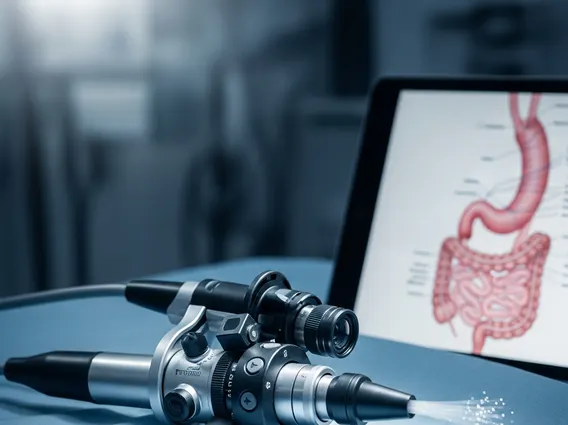
Esophagoscopy refers to a medical procedure that involves the direct visual examination of the esophagus using an endoscope. An endoscope is a long, thin, flexible tube equipped with a light and a camera at its tip. This allows a gastroenterologist or surgeon to view the lining of the esophagus on a monitor, detecting any irregularities that might not be visible through other imaging techniques. The procedure is fundamental in diagnosing various esophageal conditions, providing detailed insights into the health of this vital organ.
The process of an esophagoscopy is typically performed in an outpatient setting. Patients usually receive sedation to ensure comfort throughout the examination. The endoscope is carefully guided through the mouth and down the throat into the esophagus, allowing the physician to thoroughly inspect its walls, identify any lesions, inflammation, or other abnormalities, and, if necessary, take tissue samples (biopsies) for further analysis.
Purpose and Procedure of Esophagoscopy
The primary purpose of esophagoscopy is to diagnose and evaluate conditions affecting the esophagus. This includes investigating symptoms such as difficulty swallowing (dysphagia), persistent heartburn, chest pain, or unexplained weight loss. It is also used to monitor known conditions, assess the effectiveness of treatments, and screen for certain diseases. For instance, esophagoscopy plays a vital role in the early detection of esophageal cancer, which, according to the World Health Organization’s Global Cancer Observatory, accounted for an estimated 604,000 new cases worldwide in 2020.
The Esophagoscopy procedure explained involves several key steps. After the patient receives sedation, the doctor will spray a local anesthetic in the back of the throat to numb it. The endoscope is then gently inserted. As the scope advances, air is often insufflated to inflate the esophagus, providing a clearer view. The physician carefully examines the esophageal lining for signs of inflammation (esophagitis), ulcers, strictures (narrowing), varices (enlarged veins), or tumors. If suspicious areas are found, tiny instruments can be passed through the endoscope to take biopsies or perform minor therapeutic interventions, such as dilating a stricture or removing small polyps. The procedure typically lasts between 15 to 30 minutes.
Here are some common reasons why an esophagoscopy might be recommended:
- Investigating persistent acid reflux or GERD symptoms.
- Evaluating difficulty or pain when swallowing.
- Identifying the cause of unexplained chest pain.
- Screening for Barrett’s esophagus or esophageal cancer.
- Removing foreign objects from the esophagus.
- Treating esophageal strictures through dilation.
Preparing for and Recovering from Esophagoscopy
Proper Esophagoscopy preparation and recovery are crucial for the safety and effectiveness of the procedure. Before the procedure, patients are typically instructed to fast for several hours, usually 6-8 hours, to ensure the esophagus is empty. This reduces the risk of aspiration during the procedure and provides a clear view for the physician. Patients should also inform their doctor about any medications they are taking, especially blood thinners, as these may need to be adjusted or temporarily stopped. Arranging for someone to drive you home is essential, as the sedation will impair your ability to drive.
After the esophagoscopy, patients are monitored in a recovery area until the effects of the sedation wear off. It is common to experience a sore throat, mild discomfort, or a feeling of bloating due to the air introduced during the procedure. These symptoms usually subside within a day or two. Patients can typically resume their normal diet and activities once they feel ready, though strenuous activity should be avoided for the rest of the day. If biopsies were taken, the doctor would discuss when to expect the results. Any severe pain, difficulty swallowing, fever, or bleeding should be reported to the doctor immediately, though complications are rare.