Esophagectomy
Esophagectomy is a complex surgical procedure involving the removal of part or all of the esophagus, the muscular tube connecting the throat to the stomach. This major operation is typically performed to treat serious conditions affecting the esophagus, most commonly cancer.
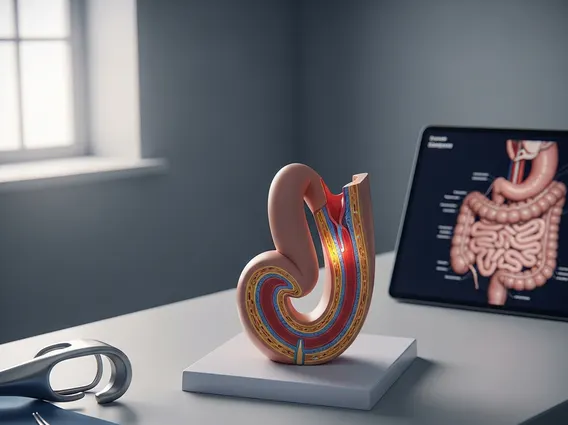
Key Takeaways
- Esophagectomy is a major surgical procedure to remove part or all of the esophagus.
- It is primarily performed for esophageal cancer and certain severe benign conditions.
- The procedure involves resecting the diseased esophagus and reconstructing the digestive tract.
- Recovery is extensive, requiring a hospital stay, nutritional support, and long-term follow-up.
- Potential complications include anastomotic leaks, respiratory issues, and digestive changes.
What is Esophagectomy?
Esophagectomy refers to a significant surgical intervention where a surgeon removes a section or the entire esophagus. This procedure is a primary treatment option for various severe conditions affecting the esophagus, particularly esophageal cancer. The goal is to excise diseased tissue and then reconstruct the digestive tract, often by pulling up the stomach or a segment of the colon to connect to the remaining esophagus, allowing the patient to swallow food.
Why is Esophagectomy Performed?
Esophagectomy is performed primarily to treat esophageal cancer, a malignant tumor originating in the esophagus. According to the American Cancer Society, esophageal cancer accounts for about 18,170 new cases annually in the United States. Beyond cancer, the surgery may also be necessary for severe benign conditions unresponsive to less invasive treatments. These can include high-grade dysplasia (precancerous cells), severe benign esophageal tumors, end-stage achalasia, or extensive damage from caustic ingestion. The decision for surgery considers the patient’s overall health and disease extent.
The Esophagectomy Procedure Explained
The esophagectomy procedure is a highly complex operation performed using different surgical approaches, depending on the disease’s location and extent. These include open surgery (larger incisions) or minimally invasive techniques like laparoscopy and thoracoscopy (smaller incisions).
Common approaches:
- Transhiatal Esophagectomy: Incisions in the abdomen and neck, avoiding opening the chest.
- Transthoracic Esophagectomy: Incisions in the abdomen and chest (thoracotomy), allowing direct access.
- Minimally Invasive Esophagectomy (MIE): Uses laparoscopic and thoracoscopic methods for potentially less pain and faster initial recovery.
Regardless of the approach, the core steps involve removing the diseased esophagus and surrounding lymph nodes if cancer is present. The stomach is often reshaped into a tube and pulled up to connect to the remaining esophagus. Sometimes, a segment of the colon is used for reconstruction. The surgery typically lasts 4 to 8 hours.
Recovery After Esophagectomy Surgery
Recovery after esophagectomy surgery is a prolonged and challenging process, typically requiring a hospital stay of 1 to 2 weeks, followed by several months of recuperation at home. Patients are closely monitored in an intensive care unit (ICU) initially.
Key aspects of recovery include:
- Pain Management: Significant pain is managed with medication.
- Nutritional Support: Initially, nutrition is provided intravenously or via a feeding tube. Oral intake is gradually reintroduced, starting with liquids and progressing to soft foods.
- Respiratory Care: Deep breathing exercises and early mobilization prevent lung complications.
- Monitoring for Complications: Close attention is paid to anastomotic leaks, infections, strictures, and vocal cord paralysis.
Patients must adapt to new eating habits, often requiring smaller, more frequent meals. Long-term follow-up with the surgical team and oncologists is essential to monitor recovery, manage side effects, and detect recurrence. Full recovery can take 6-12 months, with ongoing lifestyle and dietary adjustments.