Esophageal Speech
Esophageal Speech is a method of voice production used by individuals who have had their larynx (voice box) surgically removed, typically due to cancer. It offers a way to communicate verbally without the need for external devices.

Key Takeaways
- Esophageal Speech is an alternative voice method for individuals post-laryngectomy.
- It involves drawing air into the esophagus and expelling it to create sound.
- The sound is generated by vibrations in the pharyngoesophageal (PE) segment.
- Mastering this technique requires dedicated training with a speech-language pathologist.
- It provides a hands-free, device-free method of communication.
What is Esophageal Speech?
Esophageal Speech refers to a method of voice restoration that enables individuals who have undergone a total laryngectomy to speak. This procedure, often performed due to laryngeal cancer, results in the removal of the vocal cords, making natural voice production impossible. Esophageal Speech provides a means of alaryngeal communication, meaning speech produced without the larynx. It is one of several options available, alongside tracheoesophageal puncture (TEP) speech and electrolarynx use, allowing individuals to regain their ability to communicate verbally. According to the American Cancer Society, approximately 12,000 new cases of laryngeal cancer are diagnosed annually in the U.S., with some requiring laryngectomy, highlighting the importance of such rehabilitation methods.
How Esophageal Speech Works
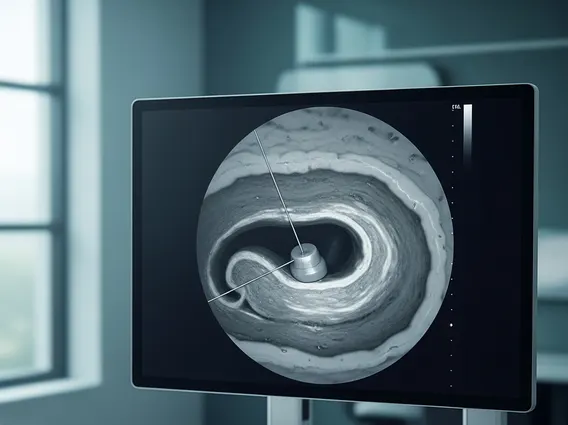
The fundamental principle behind this method involves using the esophagus as a new source of sound. Instead of air passing through the vocal cords, individuals learn to draw air into their esophagus and then release it in a controlled manner. As this air is expelled, it causes the tissues in the pharyngoesophageal (PE) segment—the area where the pharynx meets the esophagus—to vibrate. These vibrations produce a low-pitched sound, similar to a controlled burp. This sound is then shaped into words using the articulators: the tongue, lips, teeth, and palate. The process requires precise coordination and control over the intake and release of air, as well as the shaping of the sound into intelligible speech. Speech-language pathologists play a crucial role in teaching individuals to master this complex physiological process.
Techniques and Learning Methods
Mastering esophageal speech techniques requires significant dedication and guidance from a qualified speech-language pathologist (SLP). The primary goal is to achieve consistent air intake into the esophagus and controlled expulsion to produce sound. There are typically two main approaches to getting air into the esophagus:
- Injection Method: This involves pushing air from the mouth into the esophagus. It can be further divided into:
- Consonant Injection: Using pressure from consonants (e.g., ‘t’, ‘p’, ‘k’) to force air into the esophagus.
- Glossopharyngeal Press: Using the tongue to “pump” air into the esophagus.
- Inhalation Method: This technique involves rapidly inhaling, which creates a negative pressure that draws air into the esophagus.
Learning esophageal speech methods is a gradual process that focuses on developing control over air intake, sound production, and articulation. Initial training often involves producing single sounds, then syllables, words, and eventually full sentences. Challenges can include achieving sufficient volume, maintaining speech fluency, and managing air intake without excessive effort. Success rates vary, but with consistent practice and expert instruction, many individuals achieve functional and intelligible speech, enabling them to communicate effectively in daily life. Patience and perseverance are key components of the learning journey.