Esophageal
The term Esophageal pertains to the esophagus, a vital organ in the human digestive system. Understanding its structure, function, and common ailments is crucial for comprehending overall digestive health.
Key Takeaways
- The esophagus is a muscular tube connecting the pharynx to the stomach, essential for food transport.
- Its primary function is to move swallowed food through a process called peristalsis, aided by two sphincters.
- Common esophageal conditions include GERD, achalasia, and esophagitis, which can impair its function.
- Maintaining esophageal health is important for proper digestion and preventing discomfort or more serious complications.
What is the Esophagus? Anatomy and Structure
The esophagus is a hollow, muscular tube that plays a critical role in the digestive process by connecting the throat (pharynx) to the stomach. Approximately 25 to 30 centimeters (10 to 12 inches) long in adults, it runs behind the windpipe (trachea) and heart, and in front of the spine, passing through the diaphragm before joining the stomach.
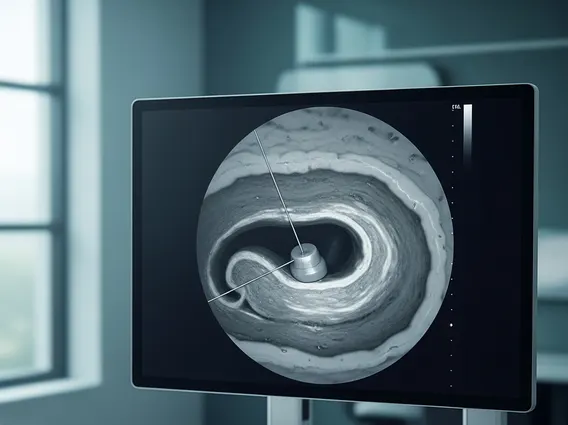
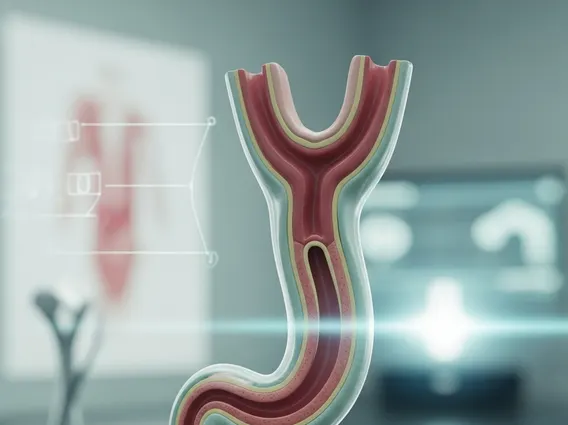
The wall of the esophagus is composed of several layers, each with specific functions: the innermost mucosa, the submucosa, the muscularis propria (which contains both circular and longitudinal muscle fibers responsible for peristalsis), and the outermost adventitia. At both ends, the esophagus is guarded by sphincters: the upper esophageal sphincter (UES) at the top, which controls the passage of food from the pharynx, and the lower esophageal sphincter (LES) at the bottom, which regulates the entry of food into the stomach and prevents stomach acid from flowing back into the esophagus. Visual aids like an esophageal anatomy diagram are often used to illustrate these intricate structures and their precise locations within the body.
Esophagus Function and Its Role in Digestion
The primary esophagus function and purpose is to transport food and liquids from the mouth to the stomach efficiently. This process begins with swallowing, which is partially voluntary and partially involuntary. Once food enters the esophagus, involuntary muscle contractions, known as peristalsis, take over. These wave-like contractions push the food downward, ensuring its smooth passage.
The coordinated action of the esophageal muscles and sphincters is vital for effective digestion. The UES relaxes to allow the swallowed bolus of food to enter the esophagus, then contracts to prevent air from entering the digestive tract. Subsequently, the LES relaxes to permit food to pass into the stomach and then tightens to prevent the reflux of stomach contents, including acid and digestive enzymes, back into the esophagus. This protective mechanism is crucial for maintaining the health of the esophageal lining, which is not designed to withstand the harsh acidic environment of the stomach.
Common Esophageal Conditions and Disorders
A range of common esophageal conditions can affect the esophagus, leading to discomfort, pain, and impaired digestive function. These conditions can arise from various factors, including lifestyle, genetics, and other medical issues. According to the National Institute of Diabetes and Digestive and Kidney Diseases (NIDDK), gastroesophageal reflux disease (GERD) is one of the most prevalent esophageal disorders, affecting approximately 20% of the U.S. population.
Some of the most frequently encountered esophageal disorders include:
- Gastroesophageal Reflux Disease (GERD): Characterized by chronic acid reflux, where stomach acid repeatedly flows back into the esophagus, causing irritation and symptoms like heartburn and regurgitation.
- Esophagitis: Inflammation of the esophagus, often caused by acid reflux, infections, or allergies. It can lead to pain, difficulty swallowing, and chest discomfort.
- Achalasia: A rare disorder where the esophagus loses its ability to push food down, and the lower esophageal sphincter fails to relax properly, making it difficult for food and liquid to pass into the stomach.
- Barrett’s Esophagus: A serious complication of chronic GERD, where the normal lining of the esophagus changes to tissue similar to that lining the intestine. It increases the risk of esophageal cancer.
- Esophageal Spasms: Abnormal contractions of the esophageal muscles that can cause chest pain and difficulty swallowing.
If you experience persistent symptoms related to your esophagus, it is important to consult a healthcare professional for an accurate diagnosis and appropriate treatment plan. Information regarding alternative or complementary therapies is for supportive purposes only and should not replace conventional medical treatment.