Da Huang
Da Huang is a potent herb widely recognized in traditional medicine systems. Its historical application spans centuries, primarily valued for its significant pharmacological properties.
Key Takeaways
- Da Huang is a traditional herb known for its purgative and anti-inflammatory properties.
- It is commonly used in traditional medicine to address constipation and promote digestive health.
- The herb contains active compounds like anthraquinones responsible for its therapeutic effects.
- Proper dosage and medical supervision are crucial due to potential side effects.
- It is not a substitute for conventional medical treatment.
What is Da Huang?
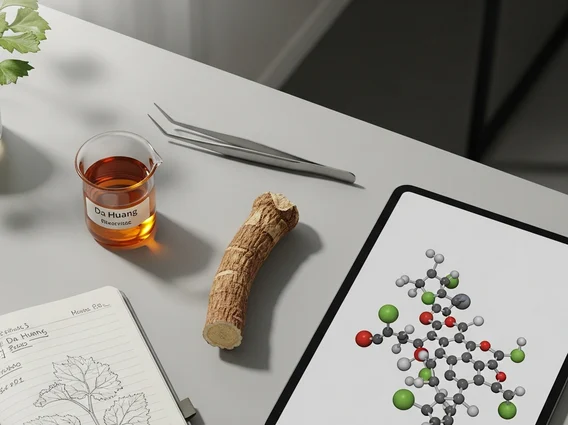
Da Huang refers to the dried rhizome and root of several species of rhubarb, primarily Rheum palmatum or Rheum officinale. Originating from mountainous regions of China and Tibet, this herb has been a cornerstone of Traditional Chinese Medicine (TCM) for thousands of years. Its distinctive properties are largely attributed to a complex array of chemical compounds, including anthraquinones, tannins, and flavonoids. These active constituents contribute to its diverse therapeutic actions, making it a subject of ongoing scientific interest for its potential applications beyond traditional uses.
Traditional Uses and Benefits of Da Huang
The uses of Da Huang are extensive within traditional medicine, particularly in TCM, where it is often employed for its powerful purgative and detoxifying effects. Historically, it has been a primary remedy for various gastrointestinal issues. The anthraquinones present in Da Huang stimulate bowel movements, making it an effective treatment for constipation. Beyond its laxative properties, it is also recognized for its anti-inflammatory and antimicrobial actions.
The Da Huang herb benefits extend to treating conditions associated with “heat” and “stagnation” in TCM, such as fever, abdominal pain, and certain skin conditions. It is frequently included in herbal formulas to clear heat, reduce inflammation, and promote blood circulation. For instance, in cases of acute appendicitis or dysentery, Da Huang has been traditionally used to alleviate symptoms and reduce inflammation. The application of Da Huang traditional medicine often involves precise formulations, combining it with other herbs to enhance its efficacy and mitigate potential side effects.
Here are some key traditional applications:
- Relief from acute and chronic constipation.
- Support for digestive health by clearing accumulated waste.
- Reduction of inflammation in various internal and external conditions.
- Detoxification and purification of the body.
- Assistance in managing certain types of infections due to its antimicrobial properties.
Precautions and Potential Side Effects of Da Huang
While Da Huang offers significant therapeutic benefits, its use is not without precautions. Due to its potent laxative effect, prolonged or excessive use can lead to adverse reactions. Common side effects may include abdominal pain, cramping, and diarrhea. Long-term use can also result in electrolyte imbalance, particularly hypokalemia (low potassium levels), and may cause damage to the intestinal lining. Pregnant or breastfeeding individuals, and those with kidney stones, inflammatory bowel disease, or intestinal obstruction, should avoid Da Huang. It is crucial to consult a healthcare professional before using Da Huang, especially if taking other medications, as it can interact with certain drugs, including diuretics, corticosteroids, and heart medications. The information provided here is for educational purposes only and does not constitute medical advice. Always consult with a qualified healthcare provider before making any decisions about your health or treatment.