
Cranium
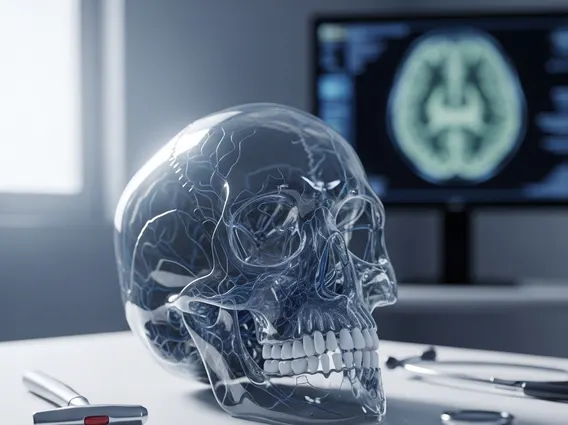
The Cranium is a vital component of the human skeletal system, forming the protective bony case around the brain. This intricate structure is essential for safeguarding one of the body’s most critical organs from external trauma and supporting various sensory functions.
Key Takeaways
- The Cranium is the bony part of the skull that encases and protects the brain.
- It is composed of several distinct bones joined by sutures, providing robust protection.
- Beyond protection, the Cranium supports facial structures and provides attachment points for muscles.
- Its complex structure includes foramina for the passage of nerves and blood vessels.
What is the Cranium?
The Cranium refers to the bony framework of the head, specifically the part that encloses and protects the brain. Often interchangeably used with “skull” in common language, the cranium technically represents the neurocranium, distinguishing it from the facial skeleton (viscerocranium). This robust structure is fundamental to human anatomy, serving as a protective vault for the delicate brain tissue and the sensory organs housed within the head. Its primary role is to shield the brain from physical injury, which is crucial given the brain’s susceptibility to damage and its central role in controlling bodily functions.
The cranium is not a single, solid bone but rather a complex assembly of multiple bones that are tightly interlocked. This intricate design contributes to its strength and resilience. Understanding what is the cranium involves recognizing its dual function: providing mechanical protection and offering structural support for the soft tissues of the head, including the eyes, ears, and nasal cavity.
Cranium Anatomy: Bones and Structure
The cranium anatomy and function are intricate, involving a collection of bones that fuse together to form a protective shell. The cranium is primarily composed of eight bones in adults, which are joined by immovable joints called sutures. These bones include:
- Frontal bone: Forms the forehead and the roof of the eye sockets.
- Parietal bones (2): Form the top and sides of the cranium.
- Temporal bones (2): Located on the sides of the head, housing the structures of the ear.
- Occipital bone: Forms the back and base of the cranium, with a large opening (foramen magnum) for the spinal cord.
- Sphenoid bone: A complex, butterfly-shaped bone at the base of the skull, connecting to many other cranial bones.
- Ethmoid bone: A small, delicate bone located between the eyes, contributing to the nasal cavity and eye sockets.
These parts of the human cranium are not merely static elements; their arrangement and articulation are critical for the overall integrity and function of the head. The cranium bone structure explanation highlights how these bones develop from separate ossification centers and fuse over time, with sutures allowing for some flexibility during birth and growth. This structural complexity ensures both rigidity for protection and specific openings for vital connections.
Functions of the Cranium
The functions of the cranium extend far beyond simple protection. Its most critical role is safeguarding the brain from external forces, absorbing impacts that could otherwise cause severe neurological damage. According to the World Health Organization (WHO), traumatic brain injuries (TBIs), often resulting from impacts to the cranium, are a major cause of death and disability worldwide, underscoring the cranium’s vital protective role.
In addition to protecting the brain, the cranium also:
- Houses and protects sensory organs: It forms the bony orbits for the eyes, the protective casing for the inner ear structures, and the framework for the nasal cavity, all crucial for sight, hearing, and smell.
- Provides attachment points for muscles: Numerous muscles responsible for facial expression, chewing, and head and neck movements originate from or insert into various parts of the cranium. This muscular attachment allows for a wide range of head movements and facial expressions, essential for communication and interaction.
- Maintains brain temperature: The cranium, along with the scalp and meninges, helps regulate the temperature of the brain.
- Facilitates passage of nerves and blood vessels: The cranium contains numerous foramina (openings) through which cranial nerves, arteries, and veins pass, connecting the brain to the rest of the body.
The intricate design and multiple functions of the cranium make it an indispensable part of the human body, crucial for both immediate survival and complex physiological processes.



















