Conception
Conception marks the profound biological event where new life begins, initiating the remarkable journey of human development. It is the precise moment when a sperm successfully fertilizes an egg, setting in motion a complex series of cellular changes.
Key Takeaways
- Conception is the fertilization of an egg by a sperm, typically occurring in the fallopian tube.
- It involves a precise sequence of biological events, starting with fertilization.
- The fertilized egg, now a zygote, undergoes rapid cell division while traveling towards the uterus.
- Successful implantation of the blastocyst into the uterine lining is crucial for pregnancy to continue.
- Understanding human conception provides insight into the earliest stages of life.
What is Conception?
At its core, what is conception refers to the union of a male gamete (sperm) and a female gamete (egg), resulting in the formation of a zygote. This fundamental biological process is the very beginning of pregnancy. It is a highly synchronized event that requires both viable sperm and a mature egg, along with an optimal environment within the female reproductive tract. Understanding human conception involves appreciating the intricate biological dance that culminates in this pivotal moment, laying the genetic foundation for a new individual.
Stages of Human Conception
The process of human conception is not a singular event but rather a series of carefully orchestrated biological steps. To comprehend how does human conception occur, it’s essential to examine these distinct stages of conception process, from fertilization to implantation. This journey typically spans about two weeks, each phase critical for successful development.
Fertilization: The Initial Step
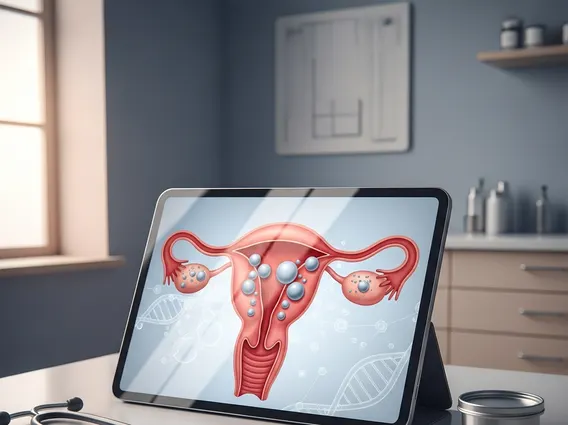
Fertilization is the definitive start of conception. It occurs when a single sperm successfully penetrates the outer layers of a mature egg, usually within the fallopian tube. Out of millions of sperm released during ejaculation, only a few hundred typically reach the egg. Once one sperm fuses with the egg, the egg undergoes changes that prevent other sperm from entering. This fusion combines the genetic material from both parents, forming a unique genetic blueprint. According to the American College of Obstetricians and Gynecologists (ACOG), fertilization typically happens within 12-24 hours after ovulation.
Zygote Development and Journey
Immediately after fertilization, the newly formed single-celled organism is called a zygote. The zygote begins a rapid process of cell division, known as cleavage, as it travels down the fallopian tube towards the uterus. Within approximately three to five days, the zygote develops into a multicellular structure called a morula, and then further into a blastocyst. The blastocyst is a hollow ball of cells with an inner cell mass that will eventually form the embryo, and an outer layer (trophoblast) that will contribute to the placenta.
Implantation in the Uterus
The final critical stage of conception is implantation. Upon reaching the uterus, the blastocyst must successfully attach to the nutrient-rich lining of the uterine wall, known as the endometrium. This process typically occurs about 6 to 12 days after fertilization. Successful implantation is essential for the pregnancy to continue, as it allows the developing embryo to receive nourishment and oxygen from the mother. Once implanted, the blastocyst begins to produce hormones, such as human chorionic gonadotropin (hCG), which signals the body to maintain the uterine lining and is the hormone detected in pregnancy tests.