Compression Pump
A Compression Pump is a medical device designed to apply external pressure to a limb or other body part, primarily used to manage conditions involving fluid retention and poor circulation. This therapy plays a crucial role in improving patient quality of life by alleviating symptoms associated with various chronic medical conditions.
Key Takeaways
- Compression pumps are medical devices that apply controlled pressure to limbs to improve fluid circulation.
- They are primarily used to treat conditions like lymphedema, chronic venous insufficiency, and to aid wound healing.
- These pumps work by sequentially inflating and deflating air chambers, mimicking the body’s natural muscle contractions.
- Benefits include reduced swelling, pain relief, improved circulation, and prevention of complications.
- Therapy is often prescribed by a healthcare professional and tailored to individual patient needs.
What is a Compression Pump?
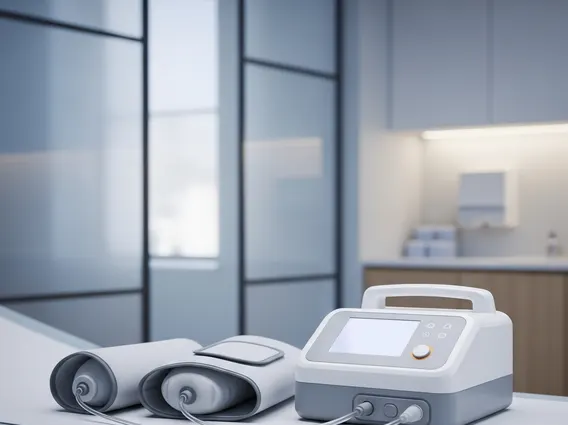
A Compression Pump is a medical device that provides intermittent pneumatic compression to a specific body part, most commonly an arm or a leg. It consists of an inflatable garment, often resembling a sleeve or boot, connected to an air pump. This device is prescribed by healthcare professionals to manage and treat a range of conditions characterized by swelling, poor circulation, and fluid accumulation, such as lymphedema and chronic venous insufficiency.
The primary function of a compression pump is to facilitate the movement of lymphatic fluid and blood, which may be stagnant due to impaired lymphatic or venous systems. By applying external pressure, the pump helps to reduce swelling (edema), decrease pain, and improve overall tissue health in the affected area. This non-invasive therapy is a vital component of conservative management strategies for many patients, aiming to restore proper fluid balance and alleviate uncomfortable symptoms.
How Do Compression Pumps Work?
Compression pumps operate by rhythmically inflating and deflating multiple air chambers within a garment worn on the affected limb. This sequential inflation creates a pressure gradient, gently pushing fluid from the distal (farthest from the body) to the proximal (closest to the body) part of the limb. The process mimics the natural muscle contractions that help move lymphatic fluid and venous blood back towards the heart, promoting efficient drainage and circulation.
There are various types of compression pumps explained by their mechanism, including single-chamber, multi-chamber, and sequential gradient pumps. Multi-chamber pumps, for instance, have several compartments that inflate in a specific order, ensuring a smooth, wave-like compression that effectively mobilizes fluid. The pressure, inflation time, and deflation time are typically adjustable, allowing healthcare providers to customize the therapy according to the patient’s specific condition and tolerance. This controlled pressure helps to reduce edema, improve lymphatic drainage, and enhance blood flow, thereby supporting the body’s natural healing processes.
Benefits of Compression Pump Therapy
Benefits of compression pump therapy are extensive, particularly for individuals suffering from chronic swelling and circulatory issues. This treatment significantly contributes to symptom management and can prevent the progression of certain conditions. One of the most immediate benefits is the reduction of limb swelling, which in turn can alleviate discomfort and heaviness, making daily activities more manageable.
Beyond reducing edema, compression pump therapy offers several other advantages:
- Pain Relief: By reducing swelling and pressure on nerves, patients often experience a significant decrease in pain and discomfort.
- Improved Circulation: The pumping action helps to enhance both lymphatic drainage and venous blood flow, which is crucial for tissue health and waste removal.
- Wound Healing: Improved circulation and reduced edema can create a more favorable environment for wound healing, especially in cases of venous ulcers.
- Prevention of Complications: Regular use can help prevent complications such as skin changes, infections (e.g., cellulitis), and further tissue damage associated with chronic swelling.
- Enhanced Mobility: Reduced swelling and pain can lead to improved range of motion and overall mobility, allowing patients to participate more actively in daily life.
According to the Lymphatic Education & Research Network (LE&RN), lymphedema affects millions worldwide, and compression therapy, including pumps, is a cornerstone of its management, significantly improving patient outcomes and quality of life.