
Coffee Enema
A Coffee Enema is a type of colon cleanse that involves introducing a solution of brewed coffee into the rectum and colon. This practice is often associated with alternative health therapies, though its efficacy and safety are not widely supported by conventional medical science.
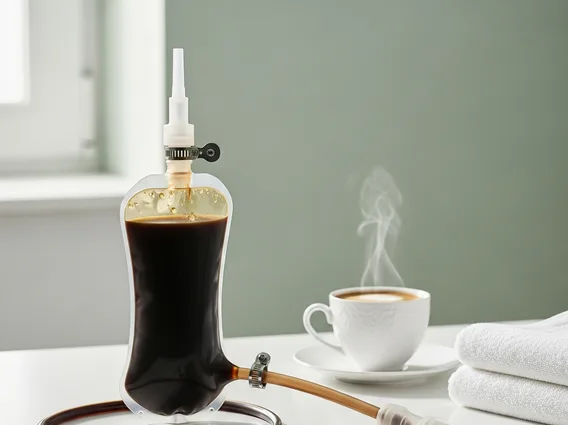
Key Takeaways
- A Coffee Enema involves introducing a coffee solution into the colon for detoxification or other purported health benefits.
- The procedure typically requires specific equipment, including an enema bag or bucket, and careful preparation of the coffee solution.
- Proponents suggest benefits like detoxification and improved energy, but these claims lack robust scientific evidence.
- Potential risks include electrolyte imbalance, burns, infections, and damage to the colon.
- Medical professionals generally advise against the use of coffee enemas due to a lack of proven benefits and significant safety concerns.
What is a Coffee Enema?
A coffee enema refers to a procedure where a diluted solution of brewed coffee is inserted into the rectum and lower colon. The practice originated in the early 20th century, notably popularized by Max Gerson as part of the Gerson Therapy, an alternative cancer treatment. The theory behind its use suggests that caffeine, when absorbed through the colon, stimulates the liver and gallbladder to increase bile flow, thereby enhancing the body’s detoxification processes. However, mainstream medical organizations, such as the American Cancer Society, do not endorse coffee enemas as a treatment for cancer or other diseases, citing a lack of scientific evidence for their effectiveness and potential for harm.
How to Perform a Coffee Enema
Performing a coffee enema typically involves several steps and specialized equipment, which can be purchased online or from health stores. It is important to note that this procedure carries risks and should not be undertaken without medical consultation.
The general steps include:
- Prepare the Coffee Solution: Brew organic, light roast coffee (typically 1-2 tablespoons per liter of filtered water). Allow it to cool to body temperature (around 98-100°F or 37-38°C) to prevent burns.
- Gather Equipment: You will need an enema bag or bucket, a colon tube or nozzle, lubricant, and towels. Ensure all equipment is thoroughly cleaned and sterilized.
- Positioning: Lie on your right side with your knees drawn towards your chest, or on your back with your legs elevated. This position is believed to facilitate the flow of the solution into the colon.
- Administration: Lubricate the nozzle and gently insert it into the rectum. Release the clamp on the tubing to allow the coffee solution to flow slowly into the colon. The flow rate can be controlled by adjusting the height of the enema bag.
- Retention: Attempt to retain the solution for 10-15 minutes, if possible, before expelling it.
It is crucial to maintain strict hygiene throughout the process to minimize the risk of infection. Any discomfort or pain should prompt immediate cessation of the procedure.
Potential Benefits and Risks of Coffee Enemas
Proponents of coffee enemas often claim a range of benefits of coffee enema, including enhanced detoxification, improved energy levels, relief from constipation, and support for liver function. These claims are largely anecdotal and are not supported by rigorous scientific research or clinical trials recognized by mainstream medicine. The idea that coffee enemas “detoxify” the body more effectively than the body’s natural processes (liver, kidneys, digestive system) is not scientifically validated.
Conversely, there are significant coffee enema risks and side effects that warrant serious consideration. These can include:
- Electrolyte Imbalance: Repeated enemas can disrupt the body’s electrolyte balance, leading to dehydration, low potassium (hypokalemia), and other serious metabolic disturbances that can affect heart function.
- Burns: If the coffee solution is too hot, it can cause severe rectal and colon burns.
- Infection: Improperly sterilized equipment or contaminated solutions can introduce bacteria into the colon, leading to serious infections.
- Bowel Perforation: Aggressive insertion of the enema nozzle or high pressure during administration can cause tears or perforations in the rectal or colon wall, a life-threatening condition requiring emergency surgery.
- Rectal Damage: Chronic use can lead to inflammation, irritation, or damage to the delicate lining of the rectum and colon.
- Caffeine Overdose: Although less common, systemic absorption of caffeine can lead to symptoms like anxiety, heart palpitations, and insomnia.
Due to the lack of scientific evidence for benefits and the clear potential for serious harm, medical professionals generally advise against the use of coffee enemas. The U.S. Food and Drug Administration (FDA) does not regulate enema solutions or kits for this purpose, and there have been documented cases of severe injury and even death associated with their use. Always consult with a healthcare provider before attempting any alternative therapy, especially those involving invasive procedures.
Disclaimer: The information provided in this article is for educational purposes only and does not constitute medical advice. Coffee enemas are considered an alternative therapy and are not supported by mainstream medical evidence for their efficacy or safety. This information should not be used to diagnose, treat, cure, or prevent any disease, and it does not replace professional medical advice, diagnosis, or treatment. Always consult with a qualified healthcare professional before making any decisions about your health or treatment.



















