Chemoembolization
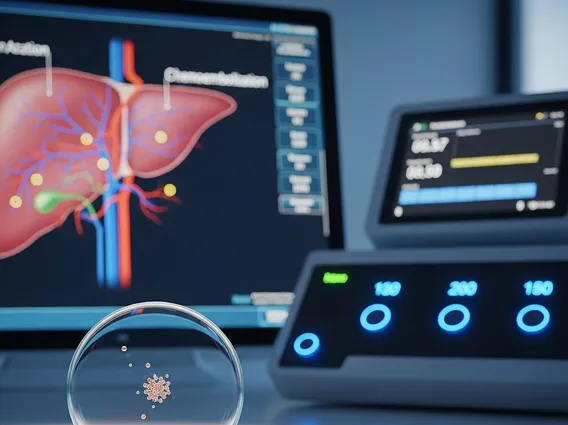
Chemoembolization is a targeted medical procedure primarily used to treat certain types of liver cancer. It combines the delivery of potent chemotherapy drugs directly to the tumor with the blockage of its blood supply, aiming to maximize treatment efficacy while minimizing systemic side effects.
Key Takeaways
- Chemoembolization is a minimally invasive treatment for liver cancer, particularly hepatocellular carcinoma.
- It involves delivering chemotherapy agents directly to the tumor and then blocking its blood supply.
- The procedure is performed by interventional radiologists, typically through a catheter inserted into an artery.
- Common side effects include post-embolization syndrome (pain, fever, nausea), which are usually manageable.
- Recovery often involves a hospital stay for monitoring, with most patients resuming normal activities within a few weeks.
What is Chemoembolization?
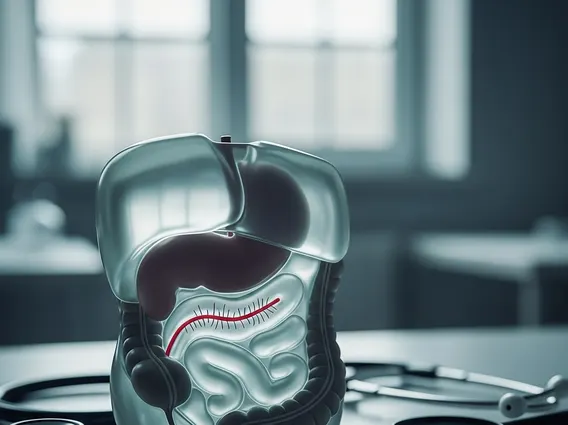
What is chemoembolization? It is a regional therapy designed to treat liver tumors by delivering a high dose of chemotherapy directly to the cancerous cells while simultaneously cutting off their blood supply. This dual approach makes it particularly effective for primary liver cancers like hepatocellular carcinoma (HCC) and some metastatic cancers that have spread to the liver. According to the American Cancer Society, liver cancer incidence has been rising, and treatments like chemoembolization offer a crucial option for patients who may not be candidates for surgery or transplantation. The procedure aims to shrink tumors, alleviate symptoms, and extend life expectancy by concentrating treatment effects where they are most needed.
Chemoembolization Procedure Explained
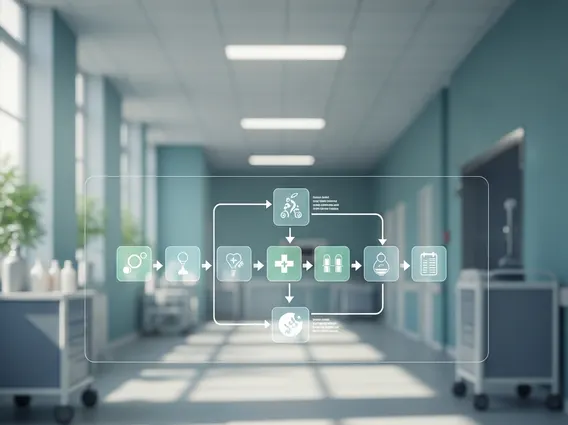
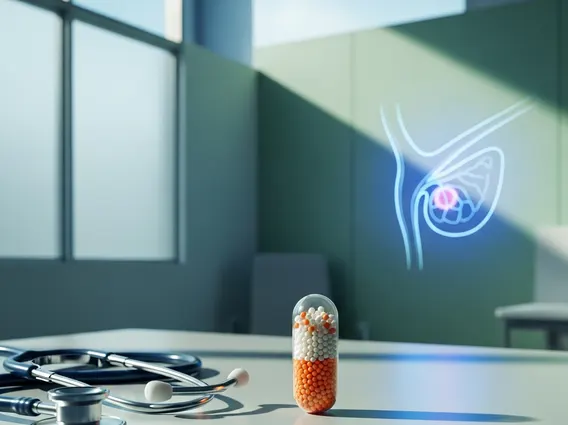
The Chemoembolization procedure explained involves a meticulous process performed by an interventional radiologist. First, a small incision is made, typically in the groin, to access the femoral artery. A thin, flexible tube called a catheter is then guided through the arterial system, using real-time imaging (fluoroscopy), until it reaches the hepatic artery that supplies blood to the liver tumor. Once positioned, a mixture of chemotherapy drugs and embolic agents (tiny particles) is injected directly into the artery feeding the tumor. This is how does chemoembolization work? The chemotherapy drugs are released directly into the tumor, maximizing their effect, while the embolic agents block the blood flow to the tumor, trapping the chemotherapy and depriving the cancer cells of oxygen and nutrients. This localized delivery minimizes exposure of healthy tissues to the chemotherapy, reducing systemic side effects.
Chemoembolization Side Effects & Recovery
Understanding Chemoembolization side effects and recovery is crucial for patients undergoing this treatment. Immediately after the procedure, patients commonly experience what is known as post-embolization syndrome, characterized by abdominal pain, nausea, vomiting, and fever. These symptoms are typically managed with medication and usually subside within a few days. Other potential side effects, though less common, can include fatigue, loss of appetite, and temporary hair thinning. The recovery period typically involves a hospital stay of one to three days for observation and pain management. Most patients can return to their normal activities within one to two weeks, though significant fatigue may persist for a longer duration. Regular follow-up appointments with imaging scans are essential to monitor the tumor’s response to treatment and assess for any long-term complications.