
Carotid Artery
The carotid arteries are vital blood vessels located in the neck that play a critical role in supplying the brain with oxygenated blood. Understanding their function, anatomy, and potential health issues is crucial for maintaining overall neurological health.
Key Takeaways
- The carotid arteries are major blood vessels in the neck responsible for supplying blood to the brain and other parts of the head.
- They consist of common, internal, and external branches, each with specific roles in blood distribution.
- Carotid artery disease is primarily caused by atherosclerosis, leading to plaque buildup and potential blockages.
- Symptoms of a carotid artery blockage can include signs of a transient ischemic attack (TIA) or a stroke, requiring immediate medical attention.
- Risk factors such as high blood pressure, high cholesterol, and smoking significantly increase the likelihood of developing carotid artery disease.
What is the Carotid Artery? Anatomy and Function
The question “what is Carotid Artery?” is fundamental to understanding brain health. These critical blood vessels are situated on each side of the neck, playing an indispensable role in delivering oxygen and nutrients to the brain and other parts of the head.
Location and Structure
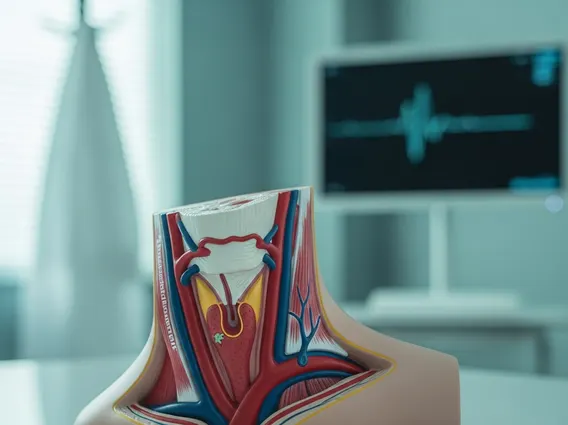
The carotid artery anatomy explained reveals a complex yet vital system. Each side of the neck has a common carotid artery, which then branches into two main divisions: the internal carotid artery and the external carotid artery. The internal carotid artery is primarily responsible for supplying blood to the brain, while the external carotid artery provides blood to the face, scalp, and neck structures. These arteries are composed of three layers: the tunica intima (innermost), tunica media (middle, muscular), and tunica adventitia (outermost). This intricate carotid artery function and location ensures a steady blood supply to crucial areas.
Key Functions
The primary function of the carotid arteries is to ensure a continuous and robust supply of oxygenated blood to the brain. The brain, despite being only about 2% of the body’s weight, consumes roughly 20% of the body’s oxygen and glucose. A consistent blood flow is therefore paramount for cognitive function, motor control, and sensory processing. Any disruption in this flow can have severe consequences, highlighting the critical nature of carotid artery function and location.
Carotid Artery Disease: Symptoms and Causes
When these vital arteries become narrowed or blocked, a condition known as carotid artery disease can develop, posing a significant risk to brain health. This condition is a leading cause of stroke, which is a major global health concern.
Common Symptoms
The carotid artery disease symptoms often manifest when the blood flow to the brain is significantly reduced or when a piece of plaque breaks off and travels to the brain, causing a transient ischemic attack (TIA) or a stroke. Symptoms can vary depending on the severity and location of the blockage but may include:
- Sudden weakness or numbness on one side of the body (face, arm, or leg).
- Difficulty speaking or understanding speech (aphasia).
- Sudden vision problems in one eye (amaurosis fugax).
- Sudden severe headache with no known cause.
- Dizziness or loss of balance.
These symptoms require immediate medical attention as they can indicate an impending or ongoing stroke.
Primary Causes of Blockage
The most common of the carotid artery blockage causes is atherosclerosis, a condition where plaque builds up inside the arteries. This plaque is made of cholesterol, fatty substances, cellular waste products, calcium, and fibrin. Over time, this buildup hardens and narrows the arteries, reducing blood flow. Risk factors that accelerate atherosclerosis and increase the likelihood of carotid artery blockage include:
- High blood pressure (hypertension): Damages artery walls, making them more susceptible to plaque buildup.
- High cholesterol: Contributes directly to plaque formation.
- Smoking: Damages blood vessels and speeds up atherosclerosis.
- Diabetes: Impairs the body’s ability to process sugars, leading to blood vessel damage.
- Obesity and lack of physical activity: Contribute to other risk factors like high blood pressure and diabetes.
- Age: The risk increases with age.
According to the World Health Organization (WHO), stroke is the second leading cause of death globally and a major cause of disability, with carotid artery disease being a significant contributing factor.



















