Cardiac Pacemaker
A cardiac pacemaker is a small electronic device implanted in the body to regulate the heart’s rhythm. It plays a crucial role for individuals whose hearts beat too slowly or irregularly, ensuring proper cardiac function.
Key Takeaways
- A cardiac pacemaker is an implanted device that uses electrical pulses to maintain a regular heart rhythm.
- Pacemakers are essential for conditions like bradycardia or heart block, where the heart’s natural electrical system is compromised.
- There are various types of cardiac pacemakers explained, including single-chamber, dual-chamber, and biventricular, each suited for different cardiac needs.
- The cardiac pacemaker procedure involves a minor surgery, typically with a relatively short recovery period.
- Post-procedure care focuses on wound healing and avoiding strenuous activities to ensure proper device integration.
What is Cardiac Pacemaker?
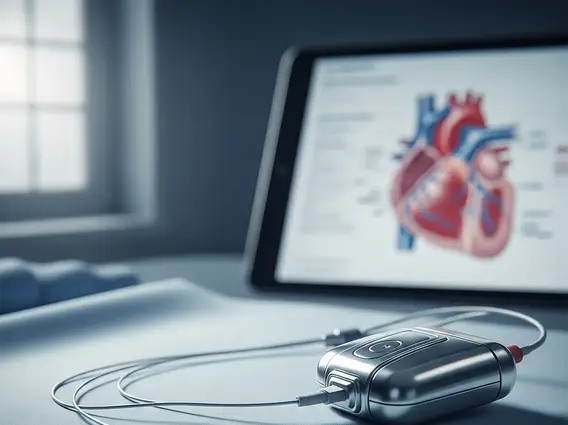
A cardiac pacemaker is an advanced medical device designed to help regulate the heart’s electrical activity. It consists of a pulse generator, which contains a battery and a tiny computer, and leads (wires) that deliver electrical impulses to the heart muscle. The primary function of a pacemaker is to monitor the heart’s rhythm and, when necessary, send electrical signals to stimulate the heart to beat at a normal rate. This intervention is vital for individuals experiencing bradycardia (a heart rate that is too slow) or other forms of heart block, where the heart’s natural electrical signals are disrupted. According to the American Heart Association, hundreds of thousands of pacemakers are implanted annually worldwide, significantly improving the quality of life for patients with rhythm disorders.
How Cardiac Pacemakers Function
The mechanism of a pacemaker involves continuous monitoring of the heart’s intrinsic electrical activity. When the pacemaker detects that the heart is beating too slowly or skipping beats, it sends a precisely timed electrical pulse through the leads to the heart muscle. This pulse stimulates the heart to contract, thereby restoring a regular rhythm. Modern pacemakers are sophisticated, capable of adjusting the heart rate to match the body’s activity level, a feature known as rate-responsiveness. This ensures that the heart beats faster during exercise and slower during rest, optimizing cardiac output. The leads are typically threaded through a vein into the heart chambers, and the pulse generator is usually placed under the skin near the collarbone.
Types of Pacemakers and Implantation
There are several types of cardiac pacemakers explained, each tailored to specific cardiac conditions. The most common types include:
- Single-chamber pacemakers: These have one lead, typically placed in either the right atrium or the right ventricle, stimulating that single chamber.
- Dual-chamber pacemakers: Featuring two leads, one in the right atrium and one in the right ventricle, these pacemakers coordinate contractions between the two chambers, mimicking the heart’s natural rhythm more closely.
- Biventricular pacemakers (CRT-P): Used for cardiac resynchronization therapy, these pacemakers have three leads—one in the right atrium, one in the right ventricle, and one on the left ventricle’s surface. They help synchronize the contractions of both ventricles, which is beneficial for patients with heart failure.
The cardiac pacemaker procedure is generally a minimally invasive surgical operation. It is usually performed under local anesthesia and mild sedation. The surgeon makes a small incision, typically below the collarbone, to create a pocket for the pulse generator. The leads are then guided through a vein into the appropriate heart chambers using X-ray imaging. Once the leads are in place and tested, they are connected to the pulse generator, which is then inserted into the pocket. The incision is closed, and the patient is monitored. The procedure typically takes about one to two hours.
Recovery After Pacemaker Procedure
Following the cardiac pacemaker procedure and recovery, patients usually stay in the hospital for a day or less for observation. It is common to experience some soreness, bruising, or swelling at the incision site, which can be managed with pain medication. Patients are advised to limit arm and shoulder movement on the side of the implant for several weeks to allow the leads to securely embed in the heart tissue. Strenuous activities, heavy lifting, and raising the arm above the shoulder should be avoided during this initial recovery period. Regular follow-up appointments are crucial to ensure the pacemaker is functioning correctly and to adjust its settings if needed. Most individuals can resume their normal daily activities within a few weeks, with significant improvement in their heart rhythm and overall well-being.