Key Takeaways
- Healthy fats, primarily monounsaturated and polyunsaturated fats, are crucial for energy, nutrient absorption, and cellular function.
- Seeds are nutrient powerhouses, packed with fiber, protein, vitamins, minerals, and beneficial fats, contributing significantly to overall wellness.
- Regular consumption of these foods supports cardiovascular health, brain function, and can play a role in effective weight management.
- Top sources include avocados, nuts, olive oil, fatty fish, and a variety of seeds like chia, flax, and hemp.
- Integrating healthy fats & seeds into meals is simple through additions to salads, smoothies, yogurts, and as smart snacking options.
Understanding Healthy Fats & Seeds
Understanding the fundamental differences and shared benefits of healthy fats & seeds is key to leveraging their full potential in your diet. These nutritional powerhouses are far from mere calories; they are essential building blocks for a thriving body.
What Are Healthy Fats?
Healthy fats are primarily unsaturated fats, including monounsaturated fatty acids (MUFAs) and polyunsaturated fatty acids (PUFAs), which are vital for numerous bodily functions. Unlike saturated and trans fats, these fats are known to improve cholesterol levels, reduce inflammation, and provide essential fatty acids that the body cannot produce on its own. They serve as a concentrated source of energy, aid in the absorption of fat-soluble vitamins (A, D, E, K), and are crucial for cell growth, hormone production, and brain health.
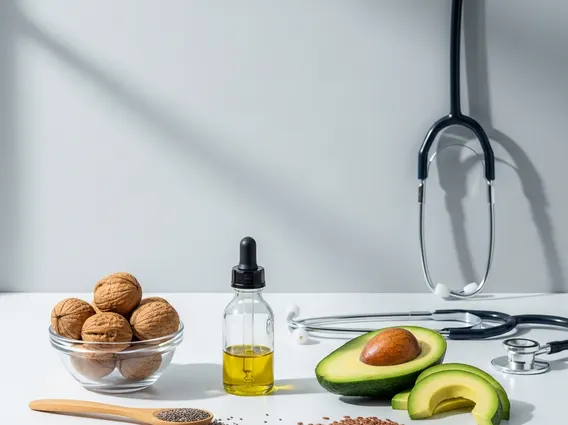
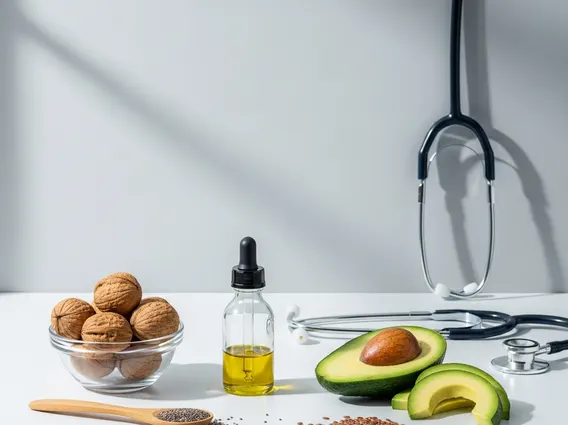
Common examples of foods rich in these beneficial fats include avocados, nuts (almonds, walnuts, pecans), seeds, olive oil, and fatty fish. The inclusion of these foods rich in healthy fats is paramount for a balanced dietary approach, supporting overall well-being without the adverse effects associated with unhealthy fat consumption.
Key Types of Healthy Seeds
Seeds are tiny nutritional powerhouses, each offering a unique profile of vitamins, minerals, fiber, protein, and healthy fats. They are an excellent way to boost the nutritional value of seeds in your daily intake, providing essential micronutrients and macronutrients. Their high fiber content also contributes to satiety and digestive health.
Some of the most beneficial seeds include:
- Chia Seeds: Rich in omega-3 fatty acids, fiber, and protein. They can absorb up to 10-12 times their weight in water, aiding in satiety.
- Flax Seeds: A great source of omega-3s (alpha-linolenic acid or ALA), lignans (antioxidants), and fiber. Best consumed ground for optimal nutrient absorption.
- Hemp Seeds: Offer a complete protein source, omega-3s, omega-6s, and various minerals like magnesium and zinc. They have a mild, nutty flavor.
- Pumpkin Seeds: Packed with magnesium, zinc, iron, and antioxidants. They are also a good source of plant-based protein.
- Sunflower Seeds: High in Vitamin E, selenium, and healthy fats. They support immune function and skin health.
- Sesame Seeds: Provide calcium, magnesium, iron, and healthy fats. Often used in various cuisines for their distinct flavor.
These seeds are not only nutrient-dense but also versatile, making them easy to incorporate into a variety of meals.
The Essential Benefits of Healthy Fats & Seeds
The regular consumption of healthy fats & seeds offers a multitude of health advantages that extend across various bodily systems. These benefits are well-documented and contribute significantly to long-term health and disease prevention.
Supporting Heart and Brain Health
One of the most significant benefits of healthy fats and seeds lies in their profound impact on cardiovascular and cognitive health. Unsaturated fats, particularly omega-3 fatty acids found in flax seeds, chia seeds, and certain fish, are crucial for maintaining a healthy heart. They help reduce levels of “bad” LDL cholesterol, increase “good” HDL cholesterol, lower blood pressure, and decrease triglyceride levels, all of which are risk factors for heart disease. According to the American Heart Association, replacing saturated and trans fats with unsaturated fats can significantly lower the risk of cardiovascular events.
For brain health, omega-3 fatty acids are integral components of brain cell membranes, playing a vital role in cognitive function, memory, and mood regulation. Research suggests that adequate intake of these fats can support brain development in children and help protect against cognitive decline in older adults. Seeds also provide antioxidants that protect brain cells from oxidative stress, further enhancing their neuroprotective qualities.
Role in Weight Management
Contrary to popular belief, healthy fats & seeds can be valuable allies in weight management. Their high fiber and protein content contribute to increased satiety, helping individuals feel fuller for longer and reducing overall calorie intake. For instance, the soluble fiber in chia and flax seeds forms a gel in the stomach, slowing digestion and promoting a sustained feeling of fullness. This makes them excellent healthy seeds for weight loss, as they can curb cravings and prevent overeating.
Moreover, the healthy fats themselves, while calorie-dense, are digested slowly, providing a steady release of energy and preventing sharp spikes and drops in blood sugar that can lead to hunger. Studies have shown that diets rich in healthy fats, such as the Mediterranean diet, are often associated with better weight control and reduced risk of obesity. By providing essential nutrients and promoting satiety, these foods help create a sustainable approach to maintaining a healthy weight.
Top Food Sources for Healthy Fats & Seeds
Identifying and regularly consuming foods rich in healthy fats and nutrient-dense seeds is fundamental for a balanced diet. These sources are readily available and can be easily integrated into daily meals to enhance nutritional intake.
Best Healthy Fat Foods
When considering the best healthy fats for diet, a variety of options stand out for their nutritional profiles and versatility. These foods provide essential fatty acids, vitamins, and antioxidants crucial for overall health:
- Avocados: Rich in monounsaturated fats, fiber, potassium, and vitamins K, C, B5, B6, and E.
- Olive Oil: A staple of the Mediterranean diet, extra virgin olive oil is high in monounsaturated fats and antioxidants.
- Nuts: Almonds, walnuts, pecans, and cashews offer a blend of healthy fats, protein, fiber, and various minerals. Walnuts are particularly high in omega-3s.
- Fatty Fish: Salmon, mackerel, sardines, and trout are excellent sources of omega-3 polyunsaturated fatty acids (EPA and DHA), which are vital for heart and brain health.
- Eggs: The yolks contain healthy fats, protein, and a range of vitamins and minerals, including choline.
- Dark Chocolate: In moderation, dark chocolate (70% cocoa or higher) provides healthy fats, fiber, and powerful antioxidants.
These selections offer diverse flavors and textures, making it easy to incorporate them into various culinary preparations.
Nutrient-Rich Seeds to Incorporate
Beyond their fat content, seeds are packed with an impressive array of nutrients. To maximize the nutritional value of seeds in your diet, consider these options:
| Seed Type | Key Nutrients | Benefits |
|---|---|---|
| Chia Seeds | Omega-3s, Fiber, Protein, Calcium, Manganese | Digestive health, satiety, bone strength, anti-inflammatory |
| Flax Seeds | Omega-3s (ALA), Lignans, Fiber | Heart health, hormone balance, digestive regularity |
| Hemp Seeds | Complete Protein, Omega-3s & 6s, Magnesium, Zinc | Muscle repair, skin health, immune support |
| Pumpkin Seeds | Magnesium, Zinc, Iron, Antioxidants, Protein | Prostate health, immune function, sleep quality |
| Sunflower Seeds | Vitamin E, Selenium, Healthy Fats, Magnesium | Antioxidant protection, skin health, cardiovascular support |
| Sesame Seeds | Calcium, Magnesium, Iron, Healthy Fats | Bone health, antioxidant properties, blood pressure regulation |
These seeds can be sprinkled on salads, yogurt, oatmeal, or blended into smoothies, offering a convenient way to boost nutrient intake.
Easy Ways to Add Healthy Fats to Meals
Incorporating healthy fats into meals doesn’t have to be complicated. With a few simple adjustments and creative additions, you can significantly enhance the nutritional profile of your daily diet.
Simple Meal Integration Tips
Making healthy fats & seeds a regular part of your meals can be effortless. Here are some practical tips:
- Salad Dressings: Ditch creamy, processed dressings and opt for homemade vinaigrettes using extra virgin olive oil, vinegar, and herbs. Add sliced avocado or a sprinkle of mixed seeds to your salads for extra healthy fats and crunch.
- Breakfast Boost: Stir a tablespoon of chia or flax seeds into your oatmeal or yogurt. Top your smoothie bowls with a handful of hemp or pumpkin seeds.
- Cooking Fats: Use olive oil or avocado oil for sautéing, roasting, and baking instead of butter or vegetable oils high in saturated fats.
- Sandwiches & Wraps: Spread mashed avocado instead of mayonnaise. Add a thin layer of nut butter to wraps for a protein and healthy fat boost.
- Baking: Incorporate ground flax seeds or chia seeds into muffins, breads, or energy bars for added fiber and omega-3s.
- Soups & Stews: Finish your bowls with a drizzle of high-quality olive oil or a sprinkle of toasted pumpkin seeds for added flavor and nutrients.
These small changes can make a big difference in boosting your intake of essential nutrients and improving meal satisfaction.
Smart Snacking with Seeds
Snacking can be an excellent opportunity to consume more healthy fats & seeds. Instead of reaching for processed snacks, consider these nutrient-dense alternatives:
- Mixed Nuts and Seeds: Create your own trail mix with almonds, walnuts, pumpkin seeds, sunflower seeds, and a few dark chocolate chips. This provides sustained energy and satiety.
- Seed Crackers: Look for crackers made primarily from seeds (flax, chia, sesame) and serve them with hummus or avocado.
- Nut Butters: Enjoy a spoonful of almond or peanut butter (ensure it’s natural with minimal added sugar and oils) with apple slices or celery sticks.
- Edamame: Steamed edamame pods are a great source of plant-based protein and healthy fats, making them a satisfying and nutritious snack.
- Energy Bites: Prepare homemade energy bites using oats, nut butter, honey or maple syrup, and a generous amount of chia or flax seeds.
These smart snacking choices help maintain energy levels, provide essential nutrients, and support overall dietary goals.
Healthy Fats & Seeds FAQs
No, not all fats are bad. There are different types of fats, and healthy fats, primarily monounsaturated and polyunsaturated fats, are essential for your body. They support cell growth, protect organs, help absorb nutrients, and produce hormones. Unhealthy fats, like trans fats and excessive saturated fats, are the ones that should be limited due to their negative impact on heart health. Focusing on sources like avocados, nuts, seeds, and olive oil is beneficial.
The recommended daily intake of fats varies based on individual calorie needs and health goals. Generally, dietary guidelines suggest that 20-35% of your total daily calories should come from fats, with the majority being unsaturated fats. For a 2,000-calorie diet, this translates to about 44-78 grams of fat, emphasizing healthy sources. It’s best to consult with a healthcare professional or registered dietitian for personalized recommendations.
While seeds are rich in fiber and generally beneficial for digestion, consuming large quantities, especially without adequate fluid intake, can sometimes lead to digestive discomfort like bloating or gas. This is particularly true for individuals not accustomed to high-fiber diets. It’s advisable to introduce seeds gradually into your diet and ensure you drink plenty of water. Ground seeds, like flaxseed meal, can sometimes be easier to digest for sensitive individuals.