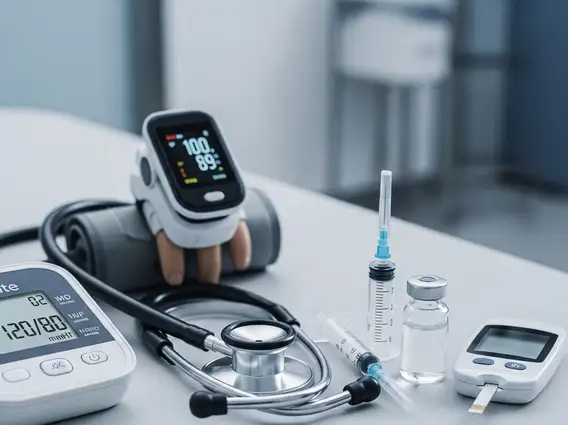
Key Takeaways
- Reliable medical device reviews are essential for informed health decisions, sourced from regulatory bodies, professional organizations, and reputable user platforms.
- When seeking how to find medical device reviews, prioritize official sources like the FDA and ECRI for objective data and safety information.
- Interpreting medical device ratings requires a critical eye, considering the source, sample size, and potential biases in medical device user experiences.
- Always prioritize medical device safety information reviews, checking for recalls, adverse event reports, and regulatory warnings.
- Utilize a combination of medical device review websites, including those offering independent reviews of medical devices, to form a comprehensive understanding.
Finding Reliable Medical Device Reviews
In an era saturated with information, discerning trustworthy sources for Medical Device Reviews is paramount. Patients and healthcare providers often seek comprehensive insights beyond marketing materials to understand a device’s real-world performance and safety profile. The process of how to find medical device reviews involves sifting through various platforms, each offering a unique perspective, from regulatory assessments to personal anecdotes. It’s vital to prioritize sources that offer objective, evidence-based information to ensure decisions are well-founded.
The landscape of medical device review websites is diverse, ranging from governmental databases to consumer-driven forums. While user experiences can offer valuable qualitative data, they should always be balanced with expert opinions and regulatory findings. Identifying the best medical device review sites often means looking for those that aggregate data, provide clear methodologies for their ratings, and are transparent about their funding and potential conflicts of interest. A multi-faceted approach, combining different types of review sources, typically yields the most complete picture of a device’s efficacy and safety.
Official and Regulatory Sources
Official government bodies and independent research organizations are indispensable for obtaining authoritative Medical Device Reviews. In the United States, the Food and Drug Administration (FDA) provides extensive data through its MAUDE (Manufacturer and User Facility Device Experience) database, which collects reports of suspected adverse events related to medical devices. Similarly, the European Medicines Agency (EMA) and national competent authorities in Europe offer public access to safety data and post-market surveillance reports. These platforms are crucial for accessing medical device safety information reviews directly from regulatory oversight.
Beyond regulatory bodies, independent organizations like ECRI (formerly the Emergency Care Research Institute) specialize in evaluating medical technologies. ECRI conducts rigorous, evidence-based assessments of medical devices, offering unbiased reports on safety, quality, and cost-effectiveness. Their independent reviews of medical devices are highly respected within the healthcare community, providing detailed analyses that can inform purchasing decisions and clinical practice. Consulting these official and independent sources is a foundational step in understanding a device’s performance under controlled conditions and its regulatory standing.
Community and User-Generated Platforms
While official data provides a critical foundation, insights from actual medical device user experiences offer a complementary perspective. Online communities, patient forums, and specialized medical device review websites allow individuals to share their firsthand accounts, offering practical details about usability, comfort, and long-term effectiveness that might not be captured in clinical trials. These platforms can be particularly helpful for understanding the day-to-day impact of a device on a patient’s life, highlighting aspects like ease of maintenance or integration into daily routines.
However, it is crucial to approach user-generated content with a discerning eye. The quality and reliability of these reviews can vary widely, and personal experiences, while valuable, are subjective and may not be generalizable. Factors such as individual health conditions, adherence to instructions, and even psychological biases can influence a user’s perception. Therefore, while these platforms provide rich qualitative data, they should be used in conjunction with more objective and scientifically validated sources to form a balanced view of a medical device.
Interpreting Medical Device Ratings & Feedback
Once various Medical Device Reviews have been gathered, the next critical step is to accurately interpret the ratings and feedback. Simply looking at a star rating or a numerical score can be misleading without understanding the context, methodology, and potential biases behind it. Effective understanding medical device ratings requires a critical evaluation of the source, the criteria used for evaluation, and the demographic of the reviewers. A high rating from a small, unverified sample may not be as reliable as a moderate rating from a large, diverse group of verified users or experts.
When analyzing medical device user experiences, pay attention to recurring themes rather than isolated incidents. Look for patterns in positive feedback regarding ease of use, effectiveness, or comfort, and similarly, identify consistent complaints about side effects, malfunctions, or poor customer support. It’s also important to consider the “why” behind a rating; a low rating might be due to user error rather than a device flaw, or a high rating might stem from brand loyalty. Seeking out detailed narratives, rather than just numerical scores, provides richer context and helps in forming a more nuanced understanding.
Consider the following aspects when evaluating reviews:
- Source Credibility: Is the review platform reputable? Are reviewers verified users or experts?
- Reviewer Demographics: Do the reviewers represent the target user population for the device?
- Sample Size: A larger number of reviews generally provides a more statistically significant picture.
- Date of Review: Newer reviews are often more relevant as devices and software can evolve.
- Specificity of Feedback: Detailed accounts of specific features or issues are more helpful than vague statements.
- Potential Biases: Be aware of sponsored content, affiliate links, or reviews that seem overly positive or negative without justification.
By systematically evaluating these elements, consumers and professionals can move beyond superficial ratings to gain a deeper, more actionable understanding of a medical device’s performance and suitability for their needs.
Prioritizing Medical Device Safety Reviews
Safety is the paramount concern when it comes to medical devices. Therefore, when engaging with Medical Device Reviews, prioritizing medical device safety information reviews is non-negotiable. While efficacy and user convenience are important, they must never overshadow the critical assessment of potential risks, adverse events, and recalls. This focus ensures that any device considered not only meets its intended purpose but also adheres to the highest standards of patient safety, minimizing harm and maximizing beneficial outcomes. Regulatory bodies play a pivotal role in collecting and disseminating this crucial safety data.
The FDA’s MAUDE database, as mentioned, is an invaluable resource for tracking adverse events. For example, between 2008 and 2017, the FDA received over 5.4 million adverse event reports related to medical devices, highlighting the continuous need for vigilance and review of safety data (Source: FDA). Beyond adverse event reports, it is essential to check for any official recalls or safety alerts issued by regulatory agencies. These alerts often provide specific instructions for patients and healthcare providers regarding device usage, potential hazards, and necessary actions. Regularly consulting these official channels ensures access to the most up-to-date safety information, which is critical for preventing harm.
Furthermore, when reviewing information from medical device review websites or user forums, pay close attention to any mentions of unexpected side effects, device malfunctions, or complications that required medical intervention. While individual reports should be cross-referenced with official data, consistent patterns in user-reported safety issues can serve as early warning signs. For instance, if multiple users report similar issues with a device, it warrants further investigation into official safety records and possibly consultation with a healthcare professional. This proactive approach to safety reviews helps in making informed decisions that prioritize patient well-being above all else.
Medical Device Reviews FAQs
For consumers seeking reliable Medical Device Reviews, a combination of official and reputable independent sites is recommended. The FDA’s website offers public access to adverse event reports and recalls. Independent organizations like ECRI provide unbiased evaluations. Additionally, trusted health news outlets and patient advocacy groups often publish aggregated reviews and summaries of medical device user experiences, offering a balanced perspective on device performance and safety. Always cross-reference information from multiple sources.
To verify the credibility of Medical Device Reviews, first check the source: is it a regulatory body, an independent research institution, or a commercial site? Look for transparency in methodology, clear disclosure of potential conflicts of interest, and evidence-based data. For user reviews, consider the volume, consistency, and specificity of feedback. Be wary of overly generic or emotionally charged reviews without supporting details. Prioritize sites that verify reviewers’ identities or professional affiliations to ensure authenticity.
Independent reviews of medical devices are crucial because they offer unbiased assessments free from commercial influence or manufacturer bias. Organizations like ECRI conduct rigorous testing and evaluation, providing objective data on device safety, efficacy, and cost-effectiveness. These reviews help healthcare providers and patients make informed decisions based on scientific evidence rather than marketing claims. They play a vital role in identifying potential risks and ensuring that devices meet high standards of quality and performance in real-world clinical settings.