Key Takeaways
- Most uterine cancers start in the endometrial lining of the uterus.
- Abnormal vaginal bleeding is the most common early warning sign.
- Hormonal imbalance and obesity are major risk factors.
- Surgery is the cornerstone of treatment for most patients.
- Prognosis largely depends on the stage at diagnosis.
What Is Uterine Cancer?
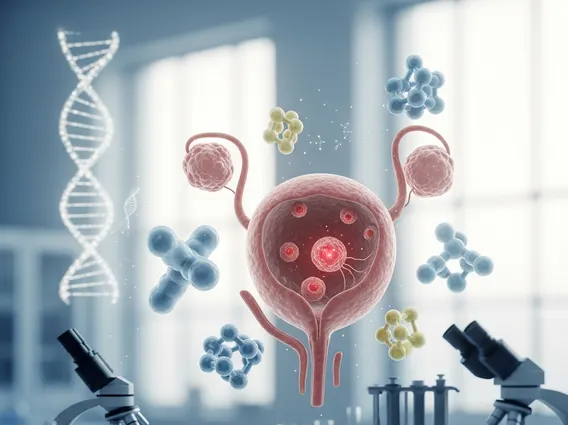
Uterine cancer refers to the uncontrolled growth of abnormal cells within the uterus. The uterus has two main layers: the endometrium (inner lining) and the myometrium (muscle layer). Most cancers arise from the endometrium, while less common forms originate in the muscle or connective tissues. Understanding the origin of the disease helps guide diagnosis and treatment decisions. Many individuals seek reliable guidance through oncology-focused platforms that support informed care planning.
Uterine cancer is often searched online by individuals looking for a clear and simple explanation of the condition and its clinical significance.
Types of Uterine Cancer
Uterine cancers are classified based on the type of cells where the malignancy begins. Each type differs in growth pattern and clinical management.
Endometrial Cancer
Endometrial cancer develops in the uterine lining and represents the vast majority of cases. It is often detected early due to noticeable symptoms and generally has a more favorable prognosis.
Uterine Sarcoma
Uterine sarcoma is a rare form that arises from the muscle or connective tissues of the uterus. These tumors may grow more aggressively and often require specialized treatment strategies.
The broader medical term uterine neoplasm describes any abnormal growth in the uterus until diagnostic testing confirms whether it is benign or malignant.
Uterine Cancer Signs & Symptoms
Symptoms often appear in early stages, supporting timely diagnosis. Common clinical signs include:
- Abnormal vaginal bleeding, particularly after menopause
- Bleeding between menstrual periods or unusually heavy periods
- Pelvic pain or persistent lower abdominal discomfort
- Unusual vaginal discharge
- Pelvic pressure caused by a growing mass in uterus
Persistent or unexplained gynecologic symptoms should always be evaluated by a healthcare professional. A more detailed overview of warning signs is available on the symptoms of uterine cancer page.
Uterine Cancer Stages
Staging describes how far the disease has spread within the body and plays a central role in determining treatment options and expected outcomes.
Stage I: The cancer is confined to the uterus and has not spread beyond the uterine body. This stage is often associated with the most favorable treatment response.
Stage II: The cancer involves the cervical stroma but has not extended beyond the uterus, remaining confined to the pelvic region.
Stage III: The disease has spread beyond the uterus to nearby pelvic tissues, such as the ovaries, vagina, or regional lymph nodes.
Stage IV: The cancer has spread to distant organs or tissues, including the bladder, rectum, lungs, or other parts of the body.
Early-stage disease is generally associated with better outcomes. Survival trends by stage are discussed in more detail on the uterine cancer prognosis and survival rate page.
Survival Rate & Prognosis for Uterine Cancer
Prognosis varies depending on stage, tumor characteristics, and overall health. Population-based data show improved outcomes when the disease is diagnosed before spreading beyond the uterus.
| Stage at Diagnosis | 5-Year Relative Survival Rate |
|---|---|
| Localized | 95% |
| Regional | 69% |
| Distant | 18% |
| All Stages | 81% |
These estimates are based on large population datasets, and individual outcomes may differ.
Source: National Cancer Institute (SEER Program). Additional official data are available through uterine cancer resources provided by the NCI.
Diagnosis & Screening of Uterine Cancer
There is no standard screening test for uterine cancer in asymptomatic individuals. Diagnosis typically begins when symptoms prompt further medical evaluation.
A biopsy is the only way to confirm cancer; transvaginal ultrasound can suggest a thickened lining but is not diagnostic. Common diagnostic tools include endometrial biopsy, transvaginal ultrasound, and hysteroscopy. Advanced imaging may be used to assess disease extent once cancer is confirmed in uterine tissue. A structured overview of diagnostic pathways can be found on the uterine cancer diagnosis page.
Causes & Risk Factors of Uterine Cancer
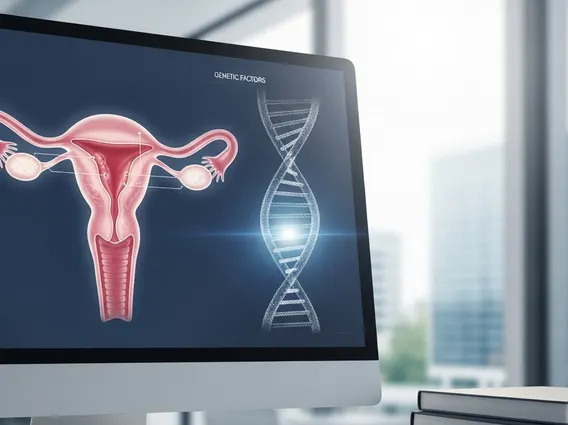
Uterine cancer risk is primarily linked to prolonged estrogen exposure without adequate progesterone balance, which can stimulate excessive growth of the uterine lining over time. Obesity further increases this risk by raising estrogen levels in the body, particularly after menopause, when hormonal regulation changes.
Advancing age is another important factor, as most cases are diagnosed in postmenopausal women. Inherited conditions such as Lynch syndrome significantly increase susceptibility due to genetic defects in DNA repair mechanisms. In addition, long-term tamoxifen therapy, while effective for breast cancer treatment, may slightly increase the likelihood of developing a uterine tumor in some patients.
Prevention and Complications of Uterine Cancer
While not all cases of uterine cancer can be prevented, maintaining a healthy body weight, staying physically active, and managing metabolic conditions such as diabetes may help reduce overall risk. When medically appropriate, combined oral contraceptives have also been associated with a lower risk by supporting hormonal balance.
Despite preventive efforts, complications may still occur due to the disease or its treatment. These can include chronic anemia from abnormal bleeding, lymphedema after lymph node removal, infertility following hysterectomy, and spread of disease to distant organs. Preventive strategies and early medical intervention play an important role in reducing both risk and long-term complications.
Uterine Cancer Treatment
Treatment plans are individualized based on cancer type, stage, and patient health. An overview of standard care approaches is available in the uterine cancer treatment section.
Surgery
Surgery is the primary treatment for most patients and typically involves hysterectomy with removal of the ovaries and fallopian tubes.
Radiation Therapy
Radiation therapy may be recommended after surgery or as a primary treatment when surgery is not suitable.
Systemic Therapies
Chemotherapy, hormone therapy, targeted therapy, and immunotherapy may be used for advanced or recurrent disease.
Some patients explore alternative treatments for uterine cancer for symptom support. These approaches are complementary only and should never replace standard medical treatment. Patients should always consult their healthcare provider before starting any complementary therapy.
Clinical Trials and Living With Uterine Cancer
Clinical trials play an important role in advancing uterine cancer treatment by evaluating new therapies and treatment combinations under close medical supervision. Participation may provide access to emerging options while contributing to future improvements in care.
Living with uterine cancer often requires ongoing medical follow-up and lifestyle adjustments. Regular surveillance, balanced nutrition, physical activity, and emotional support are key components of long-term well-being and quality of life.
Sources
- National Cancer Institute (NCI): https://www.cancer.gov
- American Cancer Society: https://www.cancer.org
- World Health Organization (WHO): https://www.who.int
Cooking Methods FAQs
Early symptoms of uterus cancer, also known as womb cancer, include abnormal vaginal bleeding, especially after menopause or between periods. Pelvic pain and unusual discharge may also be warning signs.
Uterus cancer, commonly referred to as womb cancer, is diagnosed through pelvic examinations and imaging tests, with an endometrial biopsy used to confirm the diagnosis.
Treatment for uterus cancer, also known as womb cancer, depends on the stage and grade of the disease and the patient’s overall health. It commonly includes surgery to remove the uterus, and may be combined with radiation therapy, hormone therapy, or chemotherapy when needed.