
Key Takeaways
- Thymoma is a rare tumor of the thymus gland, often associated with autoimmune conditions like myasthenia gravis.
- Symptoms can include chest pain, cough, and shortness of breath, or may arise from paraneoplastic syndromes.
- Diagnosis typically involves imaging (CT, MRI) followed by a biopsy for definitive confirmation and staging.
- Surgical removal is the primary thymoma treatment option, often supplemented by radiation or chemotherapy.
- Prognosis for thymoma patients is generally favorable, especially with early detection and complete surgical resection, but requires long-term follow-up.
What is Thymoma?
Definition and Characteristics
Thymoma refers to a tumor that develops from the epithelial cells of the thymus, a gland situated in the upper chest, behind the sternum and between the lungs. This gland is essential for the development of T-lymphocytes, a type of white blood cell critical for the immune system. Thymomas are generally slow-growing and are classified based on their cellular characteristics and invasiveness. They are distinct from thymic carcinomas, which are more aggressive forms of thymic cancer. According to the National Cancer Institute, thymomas are exceedingly rare, with an incidence of about 0.13 cases per 100,000 people per year in the United States, making them a significant focus for specialized medical research and care.
The World Health Organization (WHO) classifies thymomas into several histological subtypes (A, AB, B1, B2, B3, and C), which reflect the appearance of the cells under a microscope and can influence the tumor’s behavior and prognosis. Type A and AB are generally considered less aggressive, while B2 and B3 types tend to be more invasive. Understanding what is thymoma involves recognizing its unique origin and its potential to be associated with various autoimmune disorders, making it a complex condition.
Known and Unknown Causes
The precise causes of thymoma remain largely unknown, which is common for many rare cancers. Researchers believe that a combination of genetic predispositions and environmental factors might play a role, but no definitive link has been established. Unlike many other cancers, thymoma is not strongly associated with common risk factors such as smoking, specific environmental toxins, or viral infections. There is no clear hereditary pattern, meaning it does not typically run in families.
However, a notable aspect of thymoma is its strong association with autoimmune paraneoplastic syndromes, particularly myasthenia gravis. This suggests a potential link to immune system dysregulation, where the body’s immune system mistakenly attacks its own healthy cells. While the tumor itself does not directly cause these conditions, its presence is thought to trigger or exacerbate immune responses. Further research is ongoing to unravel the intricate mechanisms behind the development of thymoma and its connection to autoimmune diseases.
Thymoma Symptoms and Signs
Common Manifestations
Many individuals with thymoma symptoms and signs may not experience any noticeable issues in the early stages, as the tumor often grows slowly. It might be discovered incidentally during imaging tests performed for other conditions. When symptoms do appear, they are typically related to the tumor’s size and its pressure on surrounding organs in the chest. Common manifestations include:
- Chest Pain: A persistent ache or pressure in the chest area.
- Cough: A chronic cough that does not resolve.
- Shortness of Breath (Dyspnea): Difficulty breathing, especially during physical activity, as the tumor may compress the trachea or lungs.
- Superior Vena Cava (SVC) Syndrome: This occurs when the tumor presses on the superior vena cava, a large vein that carries blood from the head and upper body to the heart. Symptoms include swelling in the face, neck, and upper extremities, as well as headache, dizziness, and distended veins in the chest.
- Difficulty Swallowing (Dysphagia): If the tumor presses on the esophagus.
- Hoarseness: If the tumor affects nerves controlling the vocal cords.
These symptoms, while indicative of potential issues in the chest, are not exclusive to thymoma and can be caused by various other conditions. Therefore, a thorough medical evaluation is essential for accurate diagnosis.
Paraneoplastic Syndromes
A distinctive feature of thymoma is its association with paraneoplastic syndromes, which are conditions caused by the immune system’s response to a tumor, rather than by the tumor itself directly invading or compressing tissues. These syndromes can sometimes be the first or most prominent thymoma symptoms and signs. The most common paraneoplastic syndrome linked to thymoma is myasthenia gravis, affecting approximately 30-50% of thymoma patients. Myasthenia gravis is an autoimmune disorder characterized by muscle weakness and fatigue, particularly affecting the eyes, face, and throat, leading to double vision, drooping eyelids, difficulty speaking, and trouble swallowing.
Other less common paraneoplastic syndromes associated with thymoma include:
- Pure Red Cell Aplasia (PRCA): A condition where the bone marrow stops producing red blood cells, leading to severe anemia.
- Hypogammaglobulinemia (Good Syndrome): A disorder characterized by low levels of antibodies, making individuals more susceptible to infections.
- Lupus Erythematosus: A systemic autoimmune disease affecting various organs.
- Pemphigus: A group of rare autoimmune blistering diseases of the skin and mucous membranes.
The presence of these syndromes often prompts investigation that can lead to the discovery of a thymoma, even before the tumor itself causes local compressive symptoms.
Diagnosing Thymoma
Imaging and Biopsy Procedures
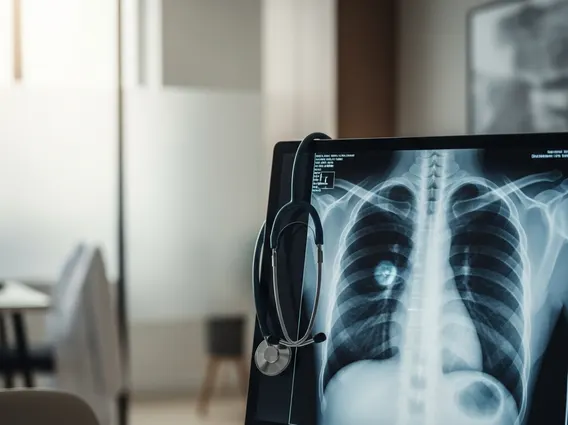
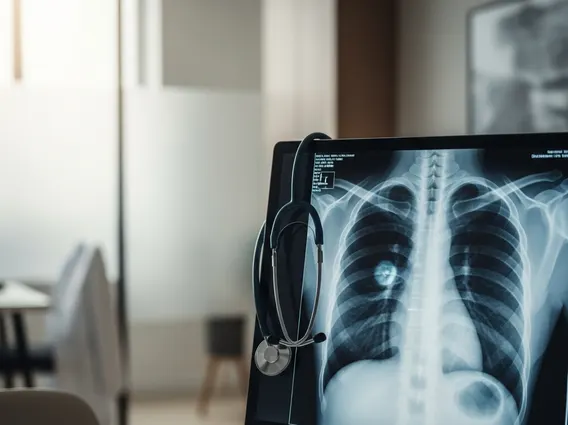
The process of thymoma diagnosis methods typically begins with imaging studies to identify the presence and extent of a mass in the mediastinum (the area between the lungs). A chest X-ray may reveal an abnormality, but more detailed imaging is usually required. Computed Tomography (CT) scans of the chest are standard, providing detailed cross-sectional images that can show the size, shape, and location of the tumor, as well as its relationship to surrounding structures. Magnetic Resonance Imaging (MRI) may also be used, particularly to assess invasion into adjacent organs or to differentiate thymoma from other mediastinal masses.
While imaging can strongly suggest the presence of a thymoma, a definitive diagnosis requires a tissue biopsy. This involves obtaining a sample of the tumor for pathological examination. Biopsy methods include:
- CT-guided Needle Biopsy: A thin needle is inserted through the skin into the tumor, guided by CT imaging.
- Mediastinoscopy: A surgical procedure where a small incision is made at the base of the neck, and a thin, lighted tube is inserted to visualize and biopsy the mass.
- Video-Assisted Thoracoscopic Surgery (VATS) or Open Biopsy: These more invasive surgical procedures may be necessary if needle biopsy is inconclusive or if a larger tissue sample is required.
The biopsy not only confirms the diagnosis but also determines the histological subtype, which is crucial for treatment planning.
Staging and Classification
Once a thymoma is diagnosed, staging is performed to determine the extent of the disease, which is a critical step in guiding treatment and predicting the prognosis for thymoma patients. The most widely used system for staging thymoma is the Masaoka-Koga staging system. This system classifies thymomas into four stages based on the degree of tumor invasion:
| Stage | Description |
|---|---|
| Stage I | Macroscopically (visible to the naked eye) and microscopically (under a microscope) encapsulated tumor; no invasion into the capsule. |
| Stage IIa | Microscopic transcapsular invasion (tumor cells have penetrated the capsule but are not visible macroscopically). |
| Stage IIb | Macroscopic invasion into surrounding fatty tissue or mediastinal pleura (lining of the chest cavity). |
| Stage III | Macroscopic invasion into neighboring organs (e.g., pericardium, great vessels, lung). |
| Stage IVa | Pleural or pericardial dissemination (tumor cells have spread to the lining of the lungs or heart). |
| Stage IVb | Distant metastasis (spread to lymph nodes or other organs outside the chest). |
This staging system, along with the WHO histological classification, provides a comprehensive picture of the tumor’s aggressiveness and spread, which is fundamental for determining the most appropriate thymoma treatment options.
Treatment Approaches for Thymoma
Surgical Interventions
Surgery is the cornerstone of thymoma treatment options, particularly for localized tumors. The primary goal is complete surgical resection, meaning the entire tumor and any involved surrounding tissue are removed. The type of surgical approach depends on the tumor’s size, location, and invasiveness:
- Median Sternotomy: This traditional approach involves an incision down the center of the chest, splitting the breastbone. It provides excellent visualization and access for larger or more invasive tumors.
- Video-Assisted Thoracoscopic Surgery (VATS): A minimally invasive technique where small incisions are made, and a camera and surgical instruments are inserted. VATS is typically used for smaller, non-invasive tumors.
- Robotic-Assisted Thoracic Surgery: Similar to VATS, but uses robotic arms controlled by the surgeon, offering enhanced precision and dexterity for certain cases.
Complete surgical removal offers the best chance for a cure and significantly improves the prognosis for thymoma patients. If the tumor has invaded surrounding structures, surgeons will aim for the most extensive safe resection possible, sometimes requiring removal of parts of adjacent organs like the pericardium or lung tissue.
Adjuvant and Systemic Therapies
Beyond surgery, other therapies may be employed, either as adjuvant treatment (given after surgery to reduce recurrence risk) or as systemic therapy for advanced or unresectable tumors.
- Radiation Therapy: Often used after surgery for tumors that were not completely removed (positive margins) or for higher-stage thymomas (Stage IIb, III, or IVa) to eliminate any remaining cancer cells. It can also be used as a primary treatment for tumors that cannot be surgically removed.
- Chemotherapy: Systemic chemotherapy is typically reserved for advanced thymomas (Stage III or IV) that are unresectable, recurrent, or have spread to distant sites. Common chemotherapy regimens involve drugs like cisplatin, doxorubicin, cyclophosphamide, and etoposide. Chemotherapy aims to kill cancer cells throughout the body.
- Targeted Therapy and Immunotherapy: These are newer thymoma treatment options that are being explored, particularly for advanced or recurrent cases. Targeted therapies focus on specific molecular pathways involved in cancer growth, while immunotherapy aims to boost the body’s own immune system to fight the cancer. These treatments are often part of clinical trials for thymoma.
The choice of adjuvant or systemic therapy is highly individualized, based on the tumor stage, histological subtype, patient health, and the presence of paraneoplastic syndromes. A multidisciplinary team approach is crucial for determining the optimal treatment strategy.
Prognosis and Life with Thymoma
Factors Affecting Outlook
The prognosis for thymoma patients is generally favorable compared to many other cancers, but it varies significantly based on several key factors. The most important prognostic indicator is the stage of the disease at diagnosis, as defined by the Masaoka-Koga staging system. Patients with early-stage (Stage I or II) thymomas that can be completely surgically removed tend to have excellent long-term survival rates. For instance, according to data from the International Thymic Malignancy Interest Group (ITMIG), the 5-year survival rate for Stage I thymoma can exceed 90%, while for Stage IV, it may be significantly lower, though still often better than many other advanced cancers.
Other factors influencing prognosis include:
- Completeness of Surgical Resection: Achieving a complete (R0) resection, where all visible tumor tissue is removed, is the strongest predictor of a good outcome.
- Histological Subtype: WHO classification plays a role; Type A and AB thymomas generally have a better prognosis than B2 or B3 types.
- Age and General Health: Younger patients and those in better overall health may tolerate treatments better and have improved outcomes.
- Presence of Paraneoplastic Syndromes: While these syndromes can be challenging to manage, their presence does not necessarily worsen the overall prognosis of the thymoma itself, though they can impact quality of life.
Despite the generally good outlook for many, thymoma can recur, even many years after initial treatment, highlighting the importance of long-term follow-up.
Follow-up and Quality of Life
Living with thymoma involves ongoing medical surveillance and management, even after successful treatment. Regular follow-up appointments are essential to monitor for recurrence and manage any long-term side effects of treatment or associated paraneoplastic syndromes. This typically includes:
- Imaging Scans: Periodic CT scans of the chest are usually performed to check for any signs of tumor recurrence. The frequency of these scans decreases over time but may continue for many years.
- Blood Tests: To monitor for paraneoplastic syndromes, particularly myasthenia gravis, and to assess overall health.
- Neurological Evaluations: For patients with myasthenia gravis, regular assessments by a neurologist are crucial to manage symptoms and adjust medication.
The quality of life for individuals after thymoma treatment can be significantly impacted by persistent symptoms from paraneoplastic syndromes, such as muscle weakness or increased susceptibility to infections (in cases of hypogammaglobulinemia). A multidisciplinary care team, including oncologists, thoracic surgeons, neurologists, immunologists, and physical therapists, is vital to provide comprehensive support. Patients are encouraged to maintain a healthy lifestyle, engage in rehabilitation as needed, and seek psychological support to cope with the challenges of a rare cancer and its potential long-term effects. Support groups and patient advocacy organizations can also provide valuable resources and a sense of community for those living with thymoma.
Thymoma FAQs
The recurrence rate of thymoma varies significantly based on the initial stage and completeness of surgical resection. For early-stage (Stage I) thymomas that are completely removed, the recurrence rate is relatively low, often less than 10%. However, for higher-stage tumors (Stage II, III, IV) or those with incomplete resection, the risk of recurrence can be higher, ranging from 20% to 50% or more. Recurrences can occur many years after initial treatment, emphasizing the need for long-term follow-up and surveillance with regular imaging scans.
While the term “thymoma” refers to a tumor, it is generally considered a low-grade malignancy rather than truly benign. Unlike a benign tumor that typically does not invade surrounding tissues or spread, thymomas have the potential for local invasion and, in rare cases, distant metastasis. However, they are often slow-growing and encapsulated, especially in early stages, which gives them a more favorable prognosis compared to aggressive cancers. The WHO classification and Masaoka-Koga staging system help categorize their invasive potential, with Stage I being the least aggressive.
There is a strong and well-established link between thymoma and myasthenia gravis (MG), an autoimmune disorder. Approximately 30-50% of thymoma patients develop MG, and conversely, about 10-15% of MG patients have a thymoma. The thymus gland plays a crucial role in immune system development, and in thymoma patients, the tumor is thought to disrupt this function, leading to the production of antibodies that mistakenly attack acetylcholine receptors in muscles, causing muscle weakness. Removing the thymoma can often improve or even resolve MG symptoms in some patients.