Key Takeaways
- Sarcoma is a rare cancer affecting connective tissues like bone, muscle, fat, and cartilage, distinct from more common carcinomas.
- Early detection is challenging due to non-specific sarcoma symptoms and causes, often presenting as a painless lump.
- There are over 70 types of sarcoma cancer, broadly categorized into soft tissue and bone sarcomas, each with unique characteristics.
- Sarcoma treatment options typically involve a multidisciplinary approach, including surgery, radiation, chemotherapy, and targeted therapies.
- Living with sarcoma requires comprehensive support, and sarcoma prognosis and outlook vary significantly based on several factors.
What is Sarcoma? An Overview
Understanding This Rare Cancer
Sarcoma refers to a diverse group of malignant tumors that arise from mesenchymal cells, which are the building blocks of the body’s connective tissues. These tissues include bone, muscle, fat, cartilage, blood vessels, and nerves. Unlike carcinomas, which originate in epithelial cells (lining organs), sarcomas are relatively uncommon, accounting for approximately 1% of all adult cancers and about 15% of childhood cancers in the United States. [Source: American Cancer Society]
The term what is sarcoma encompasses a wide spectrum of diseases, each with its own unique cellular origin, behavior, and response to treatment. Their rarity and diversity often make them challenging to diagnose and manage, necessitating specialized expertise.
Symptoms, Causes, and Diagnosis
Identifying Early Signs and Risk Factors
Recognizing sarcoma symptoms and causes is vital for timely intervention, though early signs can be subtle and non-specific. The most common symptom of soft tissue sarcoma is a painless lump or swelling that grows over time. Depending on its location, it might also cause pain, tenderness, or limit movement if it presses on nerves or muscles. Bone sarcomas can manifest as persistent bone pain, swelling near a joint, or an unexplained fracture.
While the exact causes of most sarcomas are unknown, several risk factors have been identified. These include certain inherited genetic syndromes (e.g., Li-Fraumeni syndrome, neurofibromatosis type 1), previous radiation therapy for other cancers, exposure to certain chemicals (e.g., vinyl chloride, arsenic), and chronic lymphedema. It is important to note that most people with these risk factors do not develop sarcoma, and many people with sarcoma have no known risk factors.
Diagnostic Methods and Procedures
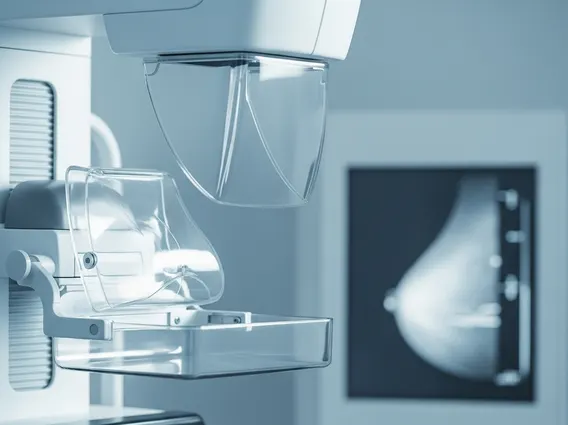
The process of diagnosing sarcoma typically begins with a thorough physical examination and a review of the patient’s medical history. Imaging studies are crucial for localizing the tumor and assessing its size and extent. Common imaging techniques include magnetic resonance imaging (MRI), computed tomography (CT) scans, and positron emission tomography (PET) scans. MRI is particularly effective for soft tissue sarcomas, while CT scans are often used for bone sarcomas and to check for metastasis.
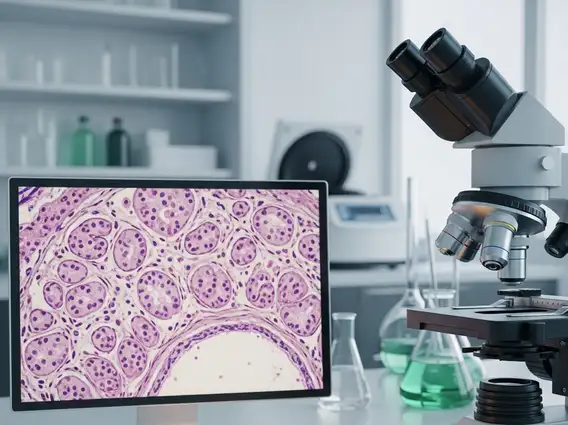
However, a definitive diagnosis of sarcoma can only be made through a biopsy. This procedure involves removing a tissue sample from the suspicious area, which is then examined by a pathologist under a microscope. A core needle biopsy is often preferred as it is less invasive and provides sufficient tissue for accurate classification. In some cases, an incisional or excisional biopsy may be necessary. The pathologist’s report is critical for determining the specific type and grade of sarcoma, guiding subsequent treatment decisions.
Exploring Types of Sarcoma Cancer
Common and Rare Subtypes
The classification of types of sarcoma cancer is complex, with over 70 distinct subtypes recognized by the World Health Organization. These are broadly divided into two main categories: soft tissue sarcomas and bone sarcomas.
Soft Tissue Sarcomas originate in tissues such as fat, muscle, nerves, fibrous tissues, and blood vessels. They are more common than bone sarcomas and can occur anywhere in the body, though they are most frequently found in the extremities, trunk, and retroperitoneum. Common subtypes include:
- Liposarcoma: Arises from fat cells.
- Leiomyosarcoma: Develops from smooth muscle cells, often found in the uterus, abdomen, or blood vessels.
- Undifferentiated Pleomorphic Sarcoma (UPS): A high-grade sarcoma that is difficult to classify, often found in the extremities.
- Rhabdomyosarcoma: A cancer of skeletal muscle, primarily affecting children and adolescents.
- Gastrointestinal Stromal Tumor (GIST): A specific type of sarcoma originating in the digestive tract.
Bone Sarcomas, or primary bone cancers, originate in the bone tissue itself. While less common, they are often aggressive. Key subtypes include:
- Osteosarcoma: The most common primary bone cancer, typically affecting children, adolescents, and young adults.
- Ewing Sarcoma: A highly aggressive bone cancer that primarily affects children and young adults, often found in the long bones or pelvis.
- Chondrosarcoma: Arises from cartilage cells and usually affects older adults.
Each type of sarcoma has unique characteristics, requiring specific diagnostic markers and tailored treatment strategies.
Sarcoma Treatment Options
Current Therapies and Approaches
The selection of sarcoma treatment options is highly individualized, depending on the type, grade, size, location, and stage of the cancer, as well as the patient’s overall health. Treatment typically involves a multidisciplinary team of specialists, including surgical oncologists, radiation oncologists, medical oncologists, and pathologists. The primary goal is to remove or destroy the cancer while preserving function and quality of life.
Common treatment modalities include:
- Surgery: Often the cornerstone of treatment, aiming for complete tumor removal with clear margins. For extremity sarcomas, limb-sparing surgery is frequently performed, avoiding amputation.
- Radiation Therapy: Uses high-energy rays to kill cancer cells or shrink tumors. It can be used before surgery (neoadjuvant) to reduce tumor size, after surgery (adjuvant) to eliminate remaining cancer cells, or as palliative care to manage symptoms.
- Chemotherapy: Involves drugs that kill rapidly dividing cells, including cancer cells. It may be used for high-grade sarcomas, for tumors that have spread, or in conjunction with surgery and radiation.
- Targeted Therapy: Drugs designed to specifically attack cancer cells with certain genetic mutations or proteins, minimizing harm to healthy cells. This approach is particularly effective for certain subtypes like GIST.
- Immunotherapy: A newer approach that harnesses the body’s own immune system to fight cancer. While still under investigation for many sarcoma types, it shows promise in select cases.
Advances in Care
Ongoing research continues to improve sarcoma treatment options. Advances in surgical techniques, such as microvascular reconstruction, have enhanced limb preservation. Precision medicine, driven by genomic profiling of tumors, allows for more personalized targeted therapies. Clinical trials are exploring novel drug combinations, new immunotherapy agents, and advanced radiation delivery methods, offering new hope for patients with challenging sarcomas.
Living with Sarcoma: Prognosis and Support
Managing Life After Diagnosis
Living with sarcoma extends beyond active treatment; it encompasses managing long-term side effects, monitoring for recurrence, and addressing the psychological and social impacts of the disease. A comprehensive, multidisciplinary follow-up plan is essential, involving regular physical examinations, imaging scans, and blood tests. Rehabilitation services, such as physical and occupational therapy, play a crucial role in restoring function and improving quality of life, especially after extensive surgery or radiation.
Psychological support, including counseling or support groups, can help patients and their families cope with the emotional challenges of a cancer diagnosis. Patient advocacy groups also provide valuable resources, information, and a sense of community. Adopting a healthy lifestyle, including balanced nutrition and regular exercise, can contribute to overall well-being during and after treatment.
Understanding Your Outlook
The sarcoma prognosis and outlook are highly variable and depend on several factors. These include the specific type of sarcoma, the tumor’s grade (how aggressive it appears under a microscope), its size and location, whether it has spread (stage at diagnosis), and the patient’s overall health and response to treatment. For localized soft tissue sarcomas, the 5-year survival rate can range from 60% to 80%, but this decreases if the cancer has spread to distant parts of the body. [Source: National Cancer Institute SEER Program]
It is important for patients to discuss their individual prognosis with their medical team, as statistics represent averages and cannot predict individual outcomes. Advances in diagnosis and treatment continue to improve the outlook for many individuals with sarcoma, emphasizing the importance of specialized care and ongoing research.
Sarcoma FAQs
Sarcoma is distinct because it originates in the body’s connective tissues, such as bone, muscle, fat, and cartilage, unlike carcinomas which arise from epithelial cells lining organs. This fundamental difference in cellular origin leads to unique characteristics, diverse subtypes, and often requires specialized diagnostic and treatment approaches. Its rarity also sets it apart, necessitating expert care from medical professionals experienced in treating these complex tumors.
Yes, by definition, a sarcoma is a malignant (cancerous) tumor. The term “sarcoma” specifically refers to cancers that develop from mesenchymal cells. There are, however, benign tumors that can arise from connective tissues (e.g., lipomas from fat cells, fibromas from fibrous tissue), but these are not classified as sarcomas. It’s crucial to distinguish between benign and malignant growths through biopsy to ensure appropriate management and treatment.
Currently, there are no definitive ways to prevent most sarcomas, as their exact causes are largely unknown. However, avoiding known risk factors, such as unnecessary radiation exposure, can potentially reduce risk. For individuals with inherited genetic syndromes linked to sarcoma, genetic counseling and regular surveillance may be recommended for early detection. General health practices like a balanced diet and active lifestyle contribute to overall well-being but do not specifically prevent sarcoma development.