Key Takeaways
- Parathyroid Cancer is an extremely rare endocrine malignancy, often leading to severe hypercalcemia.
- Symptoms primarily stem from elevated calcium levels, including fatigue, bone pain, and kidney stones.
- Diagnosis involves blood tests for calcium and parathyroid hormone (PTH), imaging, and often a definitive surgical biopsy.
- Surgery is the primary and most effective parathyroid cancer treatment option, aiming for complete tumor removal.
- Prognosis for parathyroid cancer is highly dependent on the stage at diagnosis and the completeness of surgical resection.
What is Parathyroid Cancer?
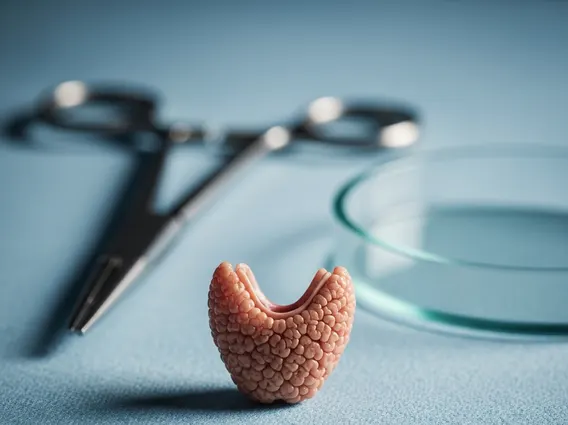
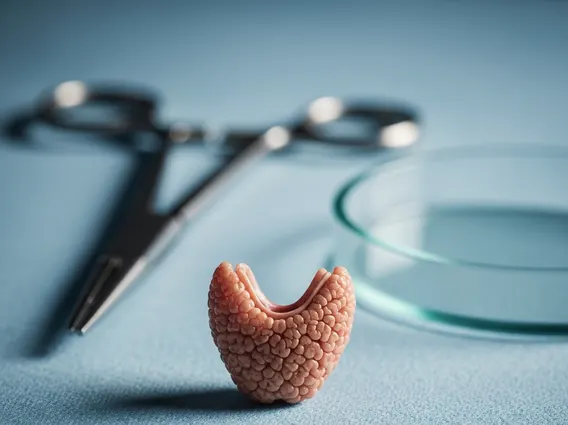
Parathyroid Cancer is a very rare form of cancer that originates in one of the four small parathyroid glands located in the neck, usually behind the thyroid gland. Unlike benign parathyroid adenomas, which are much more common, cancerous tumors can invade surrounding tissues and potentially spread to other parts of the body.
Defining Malignant Parathyroid Tumors
To understand what is parathyroid cancer, it’s essential to recognize its malignant nature. These tumors are characterized by uncontrolled cell growth within the parathyroid glands, leading to excessive production of parathyroid hormone (PTH). This overproduction of PTH results in hypercalcemia, a condition of abnormally high calcium levels in the blood, which is the hallmark of the disease. The rarity of this cancer is notable; it accounts for less than 0.005% of all cancers, with an estimated incidence of about 0.5 to 5 cases per 10 million people per year globally, according to data compiled from various national cancer registries.
How Parathyroid Glands Function
The parathyroid glands play a vital role in maintaining the body’s calcium balance. They secrete parathyroid hormone (PTH), which acts on bones, kidneys, and the intestines to increase blood calcium levels when they drop too low. Specifically, PTH stimulates the release of calcium from bones, enhances calcium reabsorption in the kidneys, and promotes the activation of vitamin D, which in turn increases calcium absorption from food in the intestines. In Parathyroid Cancer, the cancerous cells produce PTH autonomously and excessively, disrupting this delicate balance and causing persistent hypercalcemia, which can have widespread effects on various organ systems.
Recognizing Symptoms and Risk Factors
The clinical presentation of Parathyroid Cancer is largely dominated by the effects of chronic hypercalcemia. Recognizing these signs early is crucial for timely diagnosis and intervention.
Common Signs of Hypercalcemia
The symptoms of parathyroid cancer are primarily those associated with severe and prolonged hypercalcemia. These can be insidious and non-specific, often leading to delayed diagnosis. Patients may experience a range of issues, including:
- Fatigue and Weakness: Persistent tiredness and muscle weakness are common due to the systemic effects of high calcium.
- Bone Pain and Fractures: Elevated PTH can cause calcium to be leached from bones, leading to bone thinning (osteoporosis), pain, and increased risk of fractures.
- Kidney Stones: Excess calcium is filtered by the kidneys, often leading to the formation of painful kidney stones and, in severe cases, kidney damage.
- Gastrointestinal Issues: Nausea, vomiting, constipation, and abdominal pain can occur.
- Neurological Symptoms: Confusion, memory problems, depression, and in severe cases, coma, can result from high calcium affecting brain function.
- Increased Thirst and Urination: The kidneys work harder to excrete excess calcium, leading to increased fluid loss.
These symptoms are often more severe and progress more rapidly in Parathyroid Cancer compared to benign parathyroid conditions, due to the typically higher levels of PTH and calcium.
Potential Causes and Genetic Links
The exact causes of parathyroid cancer are not fully understood, but certain risk factors and genetic predispositions have been identified. The vast majority of cases occur sporadically, meaning without a clear hereditary link. However, a small percentage are associated with inherited genetic syndromes. These include:
- Multiple Endocrine Neoplasia Type 1 (MEN1): A rare inherited disorder that causes tumors in the parathyroid glands, pituitary gland, and pancreas. While most parathyroid tumors in MEN1 are benign, there is an increased risk of malignancy.
- Hyperparathyroidism-Jaw Tumor Syndrome (HPT-JT): This is a very rare inherited condition caused by mutations in the CDC73 gene (formerly HRPT2). Individuals with HPT-JT have a significantly higher risk of developing Parathyroid Cancer, often at a younger age. They also tend to develop benign jaw tumors (ossifying fibromas) and kidney cysts or tumors.
- Familial Isolated Hyperparathyroidism (FIHP): Some cases of FIHP, particularly those linked to CDC73 mutations, can also increase the risk.
Exposure to radiation, particularly to the neck area, has been considered a potential risk factor, though its direct link to Parathyroid Cancer is less clear than for thyroid cancer. Researchers continue to investigate the molecular pathways involved in the development of this rare malignancy.
Diagnosing the Condition
Diagnosing parathyroid cancer can be challenging due to its rarity and the non-specific nature of its symptoms. A combination of laboratory tests, imaging studies, and pathological examination is typically required.
Diagnostic Tests and Procedures
The diagnostic process usually begins with blood tests to confirm hypercalcemia and elevated parathyroid hormone (PTH) levels. In Parathyroid Cancer, PTH levels are often disproportionately high relative to the calcium levels, or significantly elevated compared to benign conditions. Key diagnostic steps include:
- Blood Tests: Measurement of serum calcium, ionized calcium, and intact PTH. Extremely high levels of calcium (often >14 mg/dL) and PTH are highly suggestive of malignancy.
- Imaging Studies: These help to locate the tumor and assess its size and potential spread.
- Ultrasound: Often the first imaging modality, it can identify a mass in the neck.
- Sestamibi Scan: A nuclear medicine scan that uses a radioactive tracer taken up by overactive parathyroid tissue. It helps localize the abnormal gland.
- CT Scan or MRI: Used to assess the extent of the tumor, its invasion into surrounding structures (like the thyroid, trachea, or esophagus), and to check for metastatic spread to lymph nodes or distant sites.
- PET Scan: May be used in some cases, particularly with specific tracers, to identify primary or metastatic disease.
- Biopsy: While fine-needle aspiration (FNA) biopsy is common for other neck masses, it is generally avoided for suspected Parathyroid Cancer before surgery due to the risk of tumor seeding along the needle tract. Diagnosis is often confirmed during surgery through frozen section analysis or definitively after surgical removal by a pathologist.
Differentiating from Benign Tumors
One of the most critical aspects of diagnosing parathyroid cancer is distinguishing it from benign parathyroid adenomas, which are far more common. Both conditions cause hyperparathyroidism and elevated calcium, but their management and prognosis differ significantly. Key features that suggest malignancy over a benign adenoma include:
| Feature | Benign Parathyroid Adenoma | Parathyroid Cancer |
|---|---|---|
| Calcium Levels | Mild to moderately elevated | Often severely elevated (>14 mg/dL) |
| PTH Levels | Moderately elevated | Markedly elevated, often disproportionately high |
| Tumor Size | Typically smaller ( | Often larger (>3 cm), palpable mass |
| Local Invasion | Rarely invades surrounding tissue | Commonly invades adjacent structures (thyroid, muscle, nerves) |
| Metastasis | Extremely rare | Can spread to lymph nodes, lungs, bone, liver |
| Histology | Uniform cells, no capsular/vascular invasion | Atypical cells, mitotic activity, capsular/vascular invasion |
Pathological examination of the resected tissue is the gold standard for definitive diagnosis, looking for specific features like capsular invasion, vascular invasion, and mitotic activity that are indicative of malignancy.
Treatment Approaches for Parathyroid Cancer
The primary and most effective parathyroid cancer treatment option is surgical removal. Adjuvant therapies may be considered depending on the extent of the disease and the completeness of surgical resection.
Surgical Intervention
Surgery is the cornerstone of treatment for Parathyroid Cancer. The goal is complete surgical resection of the tumor and any involved surrounding tissues. This typically involves:
- En Bloc Resection: The cancerous parathyroid gland is removed along with the ipsilateral thyroid lobe (the half of the thyroid on the same side as the tumor), surrounding muscle, and any suspicious lymph nodes in a single block of tissue. This aggressive approach aims to prevent local recurrence and ensure clear margins.
- Lymph Node Dissection: If lymph nodes are enlarged or suspicious, a neck dissection may be performed to remove them and check for metastatic spread.
- Recurrent Disease Surgery: For recurrent Parathyroid Cancer, further surgical intervention may be attempted if the disease is localized and resectable.
Successful surgery can normalize calcium levels and significantly improve the patient’s prognosis. However, due to the invasive nature of the cancer, achieving complete resection can be challenging, and recurrence is a concern.
Adjuvant Therapies
While surgery is paramount, adjuvant therapies may be used in specific situations, particularly for advanced or recurrent disease, or when complete surgical removal is not possible. These are generally less effective than surgery but can help manage symptoms and slow disease progression.
- Radiation Therapy: May be considered for local control in cases where the tumor cannot be completely removed, or for recurrent disease that is not amenable to further surgery. It can help reduce tumor size and alleviate symptoms.
- Chemotherapy: Traditional chemotherapy agents have shown limited effectiveness in Parathyroid Cancer. They are typically reserved for advanced, metastatic disease that is not responding to other treatments.
- Targeted Therapy: Given the rarity of the disease, research into targeted therapies is ongoing. Drugs like cinacalcet, a calcimimetic, can help lower calcium levels by increasing the sensitivity of calcium-sensing receptors on the parathyroid gland, thereby reducing PTH secretion. While not a cure, it can effectively manage hypercalcemia and its associated symptoms, improving the quality of living with parathyroid cancer.
- Bone-Modifying Agents: Bisphosphonates or denosumab may be used to manage hypercalcemia and prevent bone complications by reducing calcium release from bones.
The choice of adjuvant therapy is highly individualized and depends on the patient’s overall health, the extent of the disease, and previous treatments. These therapies are supportive and do not replace definitive surgical treatment.
Prognosis and Living with the Condition
The prognosis for parathyroid cancer varies significantly among individuals, largely depending on the stage at diagnosis and the effectiveness of initial treatment. Long-term management focuses on monitoring for recurrence and managing calcium levels.
Factors Influencing Outlook
Several factors play a critical role in determining the long-term outlook for patients with Parathyroid Cancer:
- Completeness of Surgical Resection: The most significant prognostic factor is whether the tumor can be completely removed during the initial surgery. Patients with complete resection and clear margins generally have a better prognosis.
- Stage at Diagnosis: Early diagnosis, before the cancer has spread beyond the parathyroid gland, is associated with a more favorable outcome. Invasion into surrounding tissues or distant metastasis significantly worsens the prognosis.
- Tumor Characteristics: Aggressive histological features, such as high mitotic activity and extensive vascular invasion, can indicate a more aggressive disease course.
- Recurrence: Local or distant recurrence of the cancer is common, even after seemingly complete resection, and can negatively impact survival rates. The 5-year survival rate for Parathyroid Cancer is estimated to be around 70-85% for localized disease, but it drops significantly for advanced or metastatic cases, according to data from the National Cancer Institute’s SEER database.
- Genetic Syndromes: While rare, patients with underlying genetic syndromes like HPT-JT may have different disease characteristics and require tailored management strategies.
Managing Long-Term Health
Living with parathyroid cancer involves ongoing medical surveillance and symptom management to maintain quality of life. Regular follow-up is essential to monitor for recurrence and manage potential complications:
- Regular Monitoring: This includes periodic blood tests to check calcium and PTH levels, as well as imaging studies (ultrasound, CT, MRI) of the neck and other areas to detect any signs of recurrence or metastasis.
- Hypercalcemia Management: Even after successful surgery, some patients may experience persistent or recurrent hypercalcemia. Medications like cinacalcet or bisphosphonates may be used to control calcium levels and prevent complications such as kidney stones and bone demineralization.
- Bone Health: Patients often require monitoring and treatment for bone density loss (osteoporosis) due to the long-term effects of hyperparathyroidism. Vitamin D and calcium supplementation, along with bone-strengthening medications, may be prescribed.
- Supportive Care: Managing the physical and emotional challenges of a rare cancer is crucial. Support groups, psychological counseling, and palliative care can provide valuable assistance.
- Multidisciplinary Team: Care is best managed by a team of specialists, including endocrine surgeons, endocrinologists, oncologists, and radiation oncologists, to ensure comprehensive and coordinated treatment.
While Parathyroid Cancer presents significant challenges, advancements in surgical techniques and supportive therapies continue to improve outcomes and the quality of life for those affected.
Parathyroid Cancer FAQs
Parathyroid Cancer is exceptionally rare, making it one of the least common endocrine malignancies. It accounts for less than 0.005% of all cancers, with an estimated incidence ranging from 0.5 to 5 cases per 10 million people annually worldwide. Its rarity often contributes to diagnostic challenges, as clinicians may not initially consider it. This low prevalence means that many healthcare providers may encounter only a few cases, if any, throughout their careers, underscoring the importance of referral to specialized centers for diagnosis and treatment.
The primary symptoms of parathyroid cancer are caused by severe and persistent hypercalcemia, or abnormally high calcium levels in the blood. These include profound fatigue and muscle weakness, significant bone pain, and an increased risk of fractures due to calcium loss from bones. Patients often develop kidney stones and may experience gastrointestinal issues like nausea, vomiting, and constipation. Neurological symptoms such as confusion or depression can also occur, reflecting the systemic impact of elevated calcium.
Yes, surgery is almost always the first-line and most effective parathyroid cancer treatment option. The goal is a complete en bloc resection, meaning the cancerous gland and any involved surrounding tissues, such as part of the thyroid or lymph nodes, are removed together. This aggressive surgical approach is crucial for achieving clear margins and preventing local recurrence. While adjuvant therapies like radiation or targeted drugs may be used for advanced or recurrent disease, they are typically secondary to surgical intervention.