
Key Takeaways
- Dry mouth can stem from various factors, including medications, aging, and certain medical conditions, with specific causes often linked to cancer treatments.
- Common symptoms of dry mouth include a sticky feeling, difficulty swallowing, and bad breath, which can worsen, especially at night.
- For cancer patients, radiation and chemotherapy are significant contributors to dry mouth, necessitating specialized care and management strategies.
- Effective strategies to get rid of dry mouth range from simple home remedies like hydration and sugar-free gum to medical interventions like saliva substitutes.
- Ignoring chronic dry mouth can lead to serious complications, such as increased risk of cavities, gum disease, and oral infections, highlighting the importance of timely intervention.
Common Causes and Symptoms of Dry Mouth
Dry mouth, or xerostomia, is a condition where the salivary glands in your mouth don’t produce enough saliva to keep your mouth wet. This can be more than just an annoyance; it’s a significant health concern that can impact oral health and overall well-being. Understanding what causes dry mouth is crucial for effective management, as causes can range from temporary factors like dehydration to chronic conditions and medication side effects.
The symptoms of dry mouth are varied and often become more pronounced over time. Individuals commonly report a sticky, dry feeling in the mouth, difficulty swallowing or speaking, a sore throat, and hoarseness. Other noticeable signs include bad breath (halitosis), a change in taste, and problems wearing dentures. The tongue might feel rough or dry, and there could be an increased incidence of mouth sores or infections, as saliva plays a vital role in washing away food particles and neutralizing acids produced by bacteria.
Many people experience dry mouth at night causes related to their sleep patterns or environment. Breathing through the mouth during sleep, often due to nasal congestion, snoring, or sleep apnea, can significantly dry out the oral tissues. Additionally, certain medications taken before bedtime, low humidity in the bedroom, or even sleeping on one’s back can exacerbate nighttime dry mouth. Addressing these nocturnal factors is often a first step in finding relief.
Medications as a Primary Factor
One of the most frequent answers to why do I have dry mouth is medication use. Hundreds of prescription and over-the-counter drugs list dry mouth as a potential side effect. These include, but are not limited to, antihistamines, decongestants, pain medications, diuretics, muscle relaxants, and drugs for high blood pressure, depression, and anxiety. The mechanism often involves these medications interfering with the nerve signals that stimulate saliva production, leading to reduced salivary flow. For instance, according to the American Dental Association, over 500 medications can cause dry mouth, making it a widespread issue.
Underlying Health Conditions and Lifestyle
Beyond medications, several underlying health conditions can contribute to dry mouth. Autoimmune diseases such as Sjögren’s syndrome, which specifically targets moisture-producing glands, are a significant cause. Other conditions like diabetes, stroke, Alzheimer’s disease, and nerve damage in the head or neck can also impair salivary gland function. Lifestyle choices, including smoking or chewing tobacco, and excessive alcohol consumption, can also severely dehydrate the mouth and reduce saliva production, contributing to chronic dryness.
Dry Mouth in Cancer Patients: Specific Causes and Care
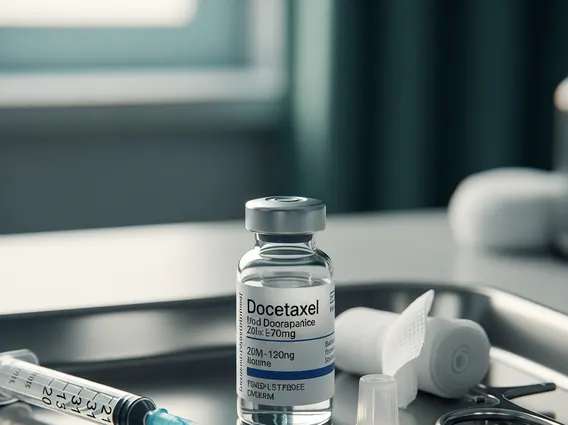
Dry Mouth in cancer patients is a particularly prevalent and often debilitating side effect of cancer therapies. The primary culprits are radiation therapy, especially when directed at the head and neck region, and certain chemotherapy drugs. Radiation can cause irreversible damage to the salivary glands, leading to a permanent reduction or complete cessation of saliva production. This condition, known as radiation-induced xerostomia, can manifest immediately or develop months after treatment concludes.
Chemotherapy, while not directly damaging the salivary glands in the same way as radiation, can cause temporary dry mouth by affecting the body’s overall fluid balance and the composition of saliva. The severity and duration of dry mouth from chemotherapy vary depending on the specific drugs used, dosage, and individual patient response. For many cancer patients, dry mouth significantly impacts their quality of life, making eating, speaking, and swallowing difficult, and increasing the risk of oral complications.
Managing dry mouth in cancer patients requires a comprehensive approach. This often involves meticulous oral hygiene, regular dental check-ups, and the use of specific products designed to alleviate dryness. Patients are typically advised to sip water frequently, use saliva substitutes or oral moisturizers, and avoid irritants like alcohol-based mouthwashes. Nutritional counseling may also be necessary to help patients maintain adequate intake despite difficulties with eating.
| Cause Category | Examples | Mechanism of Action |
|---|---|---|
| Medications | Antihistamines, Antidepressants, Diuretics | Interfere with nerve signals to salivary glands, reducing saliva production. |
| Medical Conditions | Sjögren’s Syndrome, Diabetes, HIV/AIDS | Directly damage salivary glands or affect nerve function. |
| Cancer Treatment | Radiation (head/neck), Chemotherapy | Radiation damages salivary glands; chemotherapy affects fluid balance and saliva composition. |
| Lifestyle Factors | Smoking, Alcohol Use, Mouth Breathing | Dehydrate oral tissues and reduce salivary flow. |
Effective Remedies and Preventing Complications
Addressing how to get rid of dry mouth involves a combination of lifestyle adjustments, over-the-counter products, and, in some cases, prescription medications. The goal is to stimulate saliva production, replace lost moisture, and protect oral health. Identifying the underlying cause is the first step, as treating the root issue, such as adjusting medication dosages or managing a systemic disease, can often provide significant relief.
Many effective dry mouth remedies home can be easily incorporated into daily routines. These simple strategies focus on maintaining oral moisture and stimulating natural saliva flow. Consistent hydration is paramount, meaning sipping water or sugar-free drinks throughout the day. Chewing sugar-free gum or sucking on sugar-free candies can stimulate saliva production. Using a humidifier in your bedroom at night can help alleviate dryness, especially for those experiencing dry mouth at night causes. Avoiding caffeine, alcohol, and tobacco products is also crucial, as these substances can further dehydrate the mouth.
- Sip water frequently: Keep a water bottle handy and take small sips throughout the day.
- Chew sugar-free gum or suck on sugar-free candies: This stimulates saliva flow.
- Use a humidifier: Especially at night, to add moisture to the air.
- Limit caffeine and alcohol: Both can be dehydrating.
- Avoid tobacco products: Smoking and chewing tobacco significantly worsen dry mouth.
- Breathe through your nose: If possible, to reduce mouth breathing.
- Use over-the-counter saliva substitutes: Sprays, gels, or rinses can provide temporary relief.
Failure to address chronic dry mouth can lead to serious complications of chronic dry mouth. Saliva is essential for maintaining oral health, as it washes away food particles, neutralizes acids, and contains minerals that help protect tooth enamel. Without adequate saliva, individuals are at a significantly higher risk of developing dental cavities, gum disease (gingivitis), and fungal infections like oral thrush. Difficulty eating and speaking can also lead to nutritional deficiencies and social discomfort. Therefore, persistent dry mouth should prompt a visit to a healthcare professional to determine why do I have dry mouth and to develop an appropriate management plan.
Dry Mouth FAQs
You should consult a doctor or dentist if your dry mouth is persistent, severe, or significantly interferes with your daily activities like eating, speaking, or sleeping. It’s also important to seek medical advice if you notice new oral health problems such as increased cavities, gum irritation, or mouth sores. A healthcare professional can help identify the underlying cause, whether it’s medication-related, a symptom of an undiagnosed condition, or a side effect of medical treatment, and recommend appropriate management strategies.
Yes, diet can certainly influence dry mouth. Foods that are dry, salty, spicy, or acidic can exacerbate dry mouth symptoms and cause discomfort. Conversely, incorporating moist, soft foods, and those with high water content (like fruits and vegetables) can be more comfortable to eat. Avoiding excessive caffeine and alcohol, which are dehydrating, is also beneficial. Chewing foods that require more mastication can stimulate saliva flow, provided they are not too dry or irritating.
While often a side effect of medications or lifestyle factors, persistent dry mouth can sometimes be a symptom of a more serious underlying health condition. It can be an early indicator of autoimmune diseases like Sjögren’s syndrome, or conditions such as diabetes, HIV/AIDS, or Parkinson’s disease. Nerve damage in the head or neck area can also lead to reduced saliva production. Therefore, if dry mouth is chronic and unexplained, it warrants a medical evaluation to rule out any serious underlying causes.