Bronchiole
The bronchioles are vital components of the respiratory system, representing the smallest airways within the lungs. These delicate structures play a crucial role in air conduction and the intricate process of gas exchange.
Key Takeaways
- Bronchioles are the smallest airways in the lungs, branching off from the bronchi.
- They lack cartilage, relying on smooth muscle to regulate airflow.
- Their primary functions include air conduction and facilitating gas exchange in respiratory bronchioles.
- Common conditions affecting bronchioles include bronchiolitis, asthma, and chronic bronchitis.
- Symptoms like wheezing, shortness of breath, and persistent cough often indicate bronchiole-related issues.
What is Bronchiole?
To understand what is Bronchiole, it’s essential to recognize them as the minute air passages that extend from the bronchi within the lungs. These tiny tubes are critical for delivering air to the alveoli, where oxygen and carbon dioxide are exchanged. Essentially, what is a bronchiole refers to these small, branching airways that form part of the intricate respiratory tree.
Location and Basic Structure
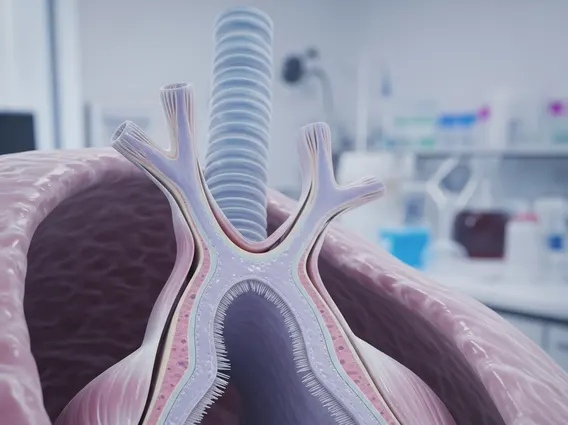
Bronchioles are located deep within the lungs, branching off from the tertiary bronchi. Unlike the larger bronchi, they are characterized by the absence of cartilage in their walls, which means they rely on the surrounding lung tissue and their own smooth muscle to maintain their patency. Their diameter is typically less than 1 millimeter, and they continue to divide into even smaller terminal and respiratory bronchioles, eventually leading to the alveolar sacs.
Bronchiole Anatomy and Function
A comprehensive understanding of bronchiole function and anatomy reveals their sophisticated design for efficient respiration. These structures are not merely passive conduits for air but active participants in regulating airflow and preparing air for gas exchange.
Detailed Structural Components
The walls of bronchioles are lined with ciliated cuboidal epithelium, which transitions to simple squamous epithelium in the respiratory bronchioles. This lining helps to move mucus and trapped particles out of the lungs. A significant feature is the presence of a layer of smooth muscle, which encircles the bronchiole lumen. This muscle allows for changes in the bronchiole’s diameter, thereby controlling the amount of air reaching the alveoli. Elastic fibers within their walls also contribute to their ability to recoil during exhalation.
Essential Physiological Roles
The primary physiological role of bronchioles is to conduct air from the larger airways to the respiratory zone of the lungs. The smooth muscle in their walls allows for bronchoconstriction (narrowing) and bronchodilation (widening), which are crucial for regulating airflow in response to physiological demands, such as exercise or changes in air quality. The respiratory bronchioles, being the smallest divisions, also participate directly in gas exchange, as their walls contain scattered alveoli, making them a transitional zone between the conducting and respiratory portions of the lung.
Common Bronchiole Diseases and Symptoms
Understanding the bronchiole definition medical context is crucial for identifying various respiratory conditions. Many illnesses specifically target these delicate airways, leading to a range of respiratory challenges. Awareness of bronchiole diseases symptoms is key for early diagnosis and effective management.
Key Conditions Affecting Bronchioles
Several conditions can impact the bronchioles, often leading to impaired breathing. According to the World Health Organization (WHO), chronic respiratory diseases are among the leading causes of death and disability worldwide, affecting hundreds of millions of people, highlighting the global burden of conditions impacting airways like bronchioles.
- Bronchiolitis: This is an inflammation of the bronchioles, most commonly caused by viral infections like Respiratory Syncytial Virus (RSV) in infants and young children.
- Asthma: A chronic inflammatory disease of the airways, including bronchioles, characterized by reversible airflow obstruction, bronchospasm, and increased mucus production.
- Chronic Bronchitis: Often part of Chronic Obstructive Pulmonary Disease (COPD), it involves long-term inflammation and irritation of the bronchial tubes, leading to excessive mucus production and narrowing of the airways.
- Bronchiectasis: A condition where the bronchioles and larger airways become permanently damaged and widened, leading to a buildup of mucus and increased susceptibility to infections.
Recognizing Related Symptoms
Symptoms associated with bronchiole diseases can vary depending on the specific condition but often include common respiratory distress signs. These symptoms arise from the narrowing or inflammation of the airways, impeding normal airflow.
- Wheezing: A high-pitched whistling sound during breathing, often heard during exhalation, caused by narrowed airways.
- Shortness of Breath (Dyspnea): Difficulty breathing or a feeling of not getting enough air, especially during physical activity.
- Persistent Cough: A cough that lasts for an extended period, often producing mucus (sputum).
- Chest Tightness: A feeling of pressure or constriction in the chest.
- Rapid Breathing (Tachypnea): An abnormally fast breathing rate, often seen in infants with bronchiolitis.