
Breast Density
Breast density refers to the proportion of fibrous and glandular tissue compared to fatty tissue in the breast. It is a common finding on mammograms and an important factor in breast health, influencing both cancer risk and screening effectiveness.
Key Takeaways
- Breast density is categorized based on the amount of fibrous and glandular tissue seen on a mammogram.
- Higher breast density can increase an individual’s risk of developing breast cancer.
- Dense breast tissue can make it harder for mammograms to detect tumors, as both appear white.
- Supplemental screening options like ultrasound or MRI may be recommended for individuals with dense breasts.
- Discussing your breast density with your doctor is crucial for personalized screening plans.
What is Breast Density?
What is breast density? It describes the composition of breast tissue, specifically the ratio of dense fibroglandular tissue to less dense fatty tissue. This characteristic is determined by genetics and can be influenced by factors like age, menopausal status, and hormone therapy. It is not something that can be felt during a physical exam; it can only be identified through a mammogram.
How Breast Density is Measured
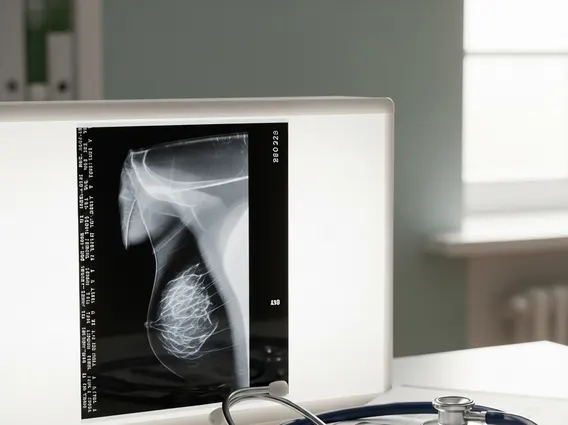
Breast density is assessed by a radiologist when interpreting a mammogram. The appearance of breast tissue on a mammogram allows for its classification. Fatty tissue appears dark or transparent, while dense tissue (glandular and fibrous) appears white, similar to how tumors appear. This visual distinction is key to its measurement.
Categories of Breast Density
Breast density is typically categorized into four levels using the Breast Imaging Reporting and Data System (BI-RADS) established by the American College of Radiology (ACR). These categories help standardize reporting and guide clinical decisions:
DExtremely denseThe breasts are extremely dense, which lowers the sensitivity of mammography for cancer detection.
| Category | Description | Mammogram Appearance |
|---|---|---|
| A | Almost entirely fatty | Breasts are almost entirely composed of fat. |
| B | Scattered areas of fibroglandular density | There are some scattered areas of density, but most of the breast is fatty. |
| C | Heterogeneously dense | The breasts are dense, which may obscure small masses. |
Breast Density and Your Cancer Risk
Research indicates a significant link between breast density and cancer risk. Women with dense breasts have a higher risk of developing breast cancer compared to those with fatty breasts. For instance, women with extremely dense breasts (Category D) have a 4 to 6 times higher risk of developing breast cancer than women with fatty breasts (Category A), according to the American Cancer Society. The exact reasons for this increased risk are still being studied, but it is considered an independent risk factor.
Screening Recommendations for Dense Breasts
For individuals with dense breasts, standard mammography remains a crucial screening tool. However, due to the challenges dense tissue presents, additional screening methods may be recommended. It is essential to discuss your breast density with your healthcare provider to determine the most appropriate and personalized screening regimen.
Understanding High Breast Density Implications
Understanding breast density is vital because high breast density has several important implications for breast health management. Primarily, it affects the effectiveness of standard screening methods and can be associated with an elevated cancer risk.
Impact on Mammogram Accuracy
One of the most significant high breast density implications is its impact on mammogram accuracy. On a mammogram, both dense breast tissue and cancerous tumors appear white. This similarity can make it difficult for radiologists to distinguish between normal dense tissue and a potential tumor, effectively “masking” cancers that might otherwise be detectable in less dense breasts. This phenomenon is often referred to as the “masking effect.”
Additional Screening Options
Given the reduced sensitivity of mammograms in dense breasts, supplemental screening options are often considered. These additional tests aim to improve cancer detection rates:
- Digital Breast Tomosynthesis (3D Mammography): This advanced form of mammography takes multiple images from different angles, creating a 3D reconstruction of the breast. It can help reduce the masking effect by allowing radiologists to view breast tissue in layers, improving cancer detection and reducing false positives.
- Breast Ultrasound: Often used as a supplemental screening tool, ultrasound uses sound waves to create images of breast tissue. It is particularly effective at finding cancers in dense breasts that might be missed by mammography, as tumors typically appear dark against the bright background of dense tissue.
- Breast MRI (Magnetic Resonance Imaging): MRI is the most sensitive imaging test for breast cancer detection. It uses magnets and radio waves to create detailed images of the breast. While highly effective, it is also more expensive, time-consuming, and has a higher rate of false positives compared to other methods. It is typically reserved for women with very high risk factors or extremely dense breasts.
These additional screening methods are supportive tools and do not replace the need for regular mammograms or medical consultation. Decisions about supplemental screening should always be made in consultation with a healthcare professional, considering individual risk factors and preferences.



















