Blast
A blast refers to a sudden, violent release of energy, typically resulting in a rapidly expanding wave of pressure. This phenomenon can arise from various sources, impacting both physical environments and biological systems in distinct ways.

Key Takeaways
- A blast is characterized by a rapid energy release creating a powerful pressure wave, known as a blast wave.
- Blast waves exhibit distinct characteristics like overpressure and impulse, with different types of blasts (e.g., high-explosive, vapor cloud) having unique properties.
- The effects of a blast on structures can range from minor damage to complete collapse, influenced by factors like proximity and structural design.
- Biologically, blast cell definition and function refer to immature precursor cells crucial for blood cell formation, distinct from the physical phenomenon.
What is a Blast: The Phenomenon
At its core, what is Blast describes the rapid and intense release of energy into an environment, generating a transient but powerful pressure disturbance. This energy release can stem from chemical reactions, physical ruptures, or nuclear processes, leading to widespread effects.
Blast Wave Characteristics
Central to understanding any blast event is comprehending what is a blast wave. This is a propagating wave of overpressure, or pressure above ambient atmospheric pressure, that moves outward from the point of energy release. Key characteristics include:
- Overpressure: The peak pressure achieved above ambient, which is the primary damaging component.
- Impulse: The time integral of the overpressure, representing the total energy delivered by the wave.
- Duration: The length of time the overpressure persists at a given point, which can significantly influence the extent of damage.
The speed of a blast wave typically exceeds the speed of sound, creating a shock front that rapidly dissipates as it travels further from the source.
Types of Blasts
There are several types of blasts and characteristics, each with distinct mechanisms and resulting phenomena:
- High-Explosive Blasts: These involve the rapid chemical decomposition of solid or liquid explosives, producing a supersonic detonation wave. They are characterized by very high peak overpressures and short durations, causing significant localized damage.
- Vapor Cloud Explosions (VCEs): Occur when a flammable gas or vapor mixes with air to form an ignitable cloud, which then ignites. Unlike high explosives, VCEs often involve deflagration (subsonic combustion) but can still generate substantial blast waves over larger areas due to the sheer volume of fuel involved.
- Nuclear Blasts: Result from nuclear fission or fusion reactions, releasing immense energy in the form of blast waves, thermal radiation, and ionizing radiation. These blasts produce extremely high overpressures and can have devastating effects over vast distances.
Understanding these distinctions is crucial for predicting their impact and developing appropriate safety measures.
Effects of Blasts on Structures
The effects of a blast on structures are complex and depend on numerous factors, including the blast’s magnitude, standoff distance, and the structural design and materials. Blast effects are generally categorized into primary, secondary, and tertiary impacts.
Primary effects are caused by the direct impact of the blast wave’s overpressure on structural elements, leading to crushing, shearing, or bending. This can result in immediate collapse, facade failure, or significant deformation of load-bearing components. Secondary effects involve damage from flying debris, such as shattered glass, fragmented building materials, or projectiles propelled by the blast wave. Tertiary effects refer to the displacement of entire structures or large structural elements due to the blast force, often leading to progressive collapse.
For instance, a study by the Department of Homeland Security found that even relatively small explosive devices can cause significant damage to non-hardened buildings, with window breakage occurring at overpressures as low as 0.5-1 psi. Modern building codes and protective design strategies aim to mitigate these effects by incorporating blast-resistant materials, structural redundancy, and standoff distances to reduce the incident pressure on critical elements.
Blast Cells: Definition and Function
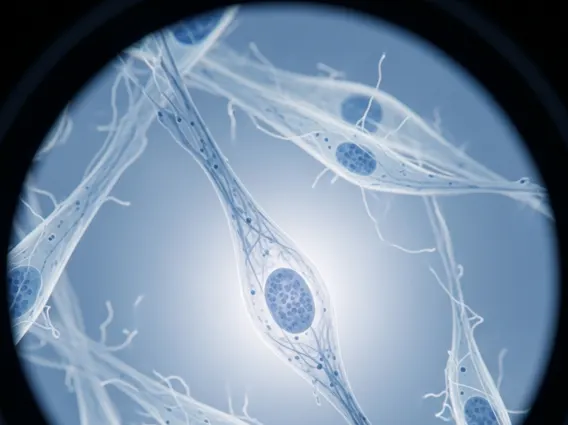
In a completely different context, the blast cell definition and function refer to immature, undifferentiated precursor cells found primarily in the bone marrow. These cells are vital components of the hematopoietic system, which is responsible for the production of all types of blood cells.
Blast cells are characterized by their large nucleus, prominent nucleoli, and scant cytoplasm. Their primary function is to proliferate and differentiate into mature blood cells, including red blood cells, white blood cells (such as neutrophils, lymphocytes, and monocytes), and platelets. This process of maturation is tightly regulated to ensure a balanced production of various blood components necessary for oxygen transport, immune defense, and clotting.
Under normal physiological conditions, blast cells constitute a small percentage of the cells in the bone marrow. However, in certain medical conditions, such as acute leukemia, there is an uncontrolled proliferation of these immature blast cells, leading to their accumulation in the bone marrow and often in the peripheral blood. This abnormal increase disrupts the production of normal, mature blood cells, impairing the body’s vital functions.