
Bladder Cancer
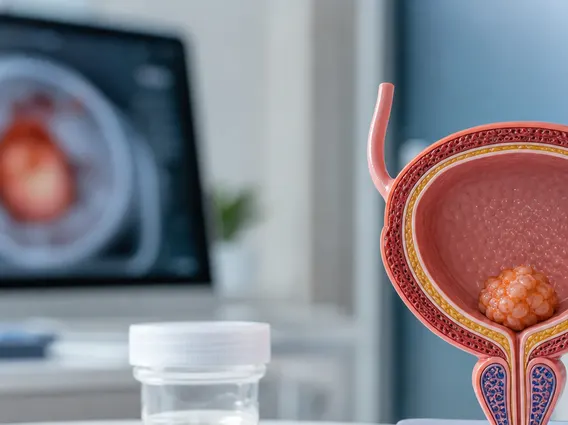
Bladder Cancer is a type of cancer that begins in the cells of the bladder, a hollow organ in the lower abdomen that stores urine. Early detection and understanding of this condition are crucial for effective management and improved outcomes.
Key Takeaways
- Bladder Cancer originates in the bladder lining and is among the most common cancers affecting the urinary system.
- Common symptoms include blood in the urine, frequent urination, and pain or discomfort during urination.
- Significant risk factors include smoking, exposure to certain industrial chemicals, and chronic bladder irritation.
- Types of Bladder Cancer are primarily classified by how deeply they invade the bladder wall, influencing treatment strategies.
- Treatment options encompass surgery, chemotherapy, radiation therapy, immunotherapy, and targeted therapy, tailored to the individual case.
What is Bladder Cancer?
Bladder Cancer refers to any of several types of cancer arising from the tissues of the urinary bladder. It typically starts in the urothelial cells that line the inside of the bladder. According to the American Cancer Society, bladder cancer is the sixth most common cancer in the United States, with an estimated 83,730 new cases diagnosed in 2024. Understanding the nature of this disease is the first step toward effective diagnosis and treatment.
Bladder Cancer Symptoms, Causes, and Types
Recognizing bladder cancer symptoms causes is vital for early diagnosis. The most common symptom is hematuria, or blood in the urine, which may be visible (gross hematuria) or only detectable under a microscope (microscopic hematuria). Other symptoms can include:
- Frequent urination
- Pain during urination (dysuria)
- Urgency to urinate
- Back or pelvic pain (in advanced stages)
Several factors contribute to the development of bladder cancer. Smoking is the most significant risk factor, responsible for about half of all bladder cancer cases. Exposure to certain industrial chemicals, chronic bladder irritation, and a family history of the disease also increase risk.
There are several types of bladder cancer, primarily categorized by how far they have grown into the bladder wall:
- Non-muscle-invasive bladder cancer (NMIBC): This is the most common type, where the cancer cells are found only in the inner lining of the bladder and have not spread into the muscle layer.
- Muscle-invasive bladder cancer (MIBC): This type has grown into the muscle layer of the bladder wall and has a higher chance of spreading to other parts of the body.
- Metastatic bladder cancer: This occurs when the cancer has spread beyond the bladder to distant organs or lymph nodes.
The vast majority of bladder cancers (about 90%) are transitional cell carcinomas (also known as urothelial carcinomas), which begin in the urothelial cells. Less common types include squamous cell carcinoma and adenocarcinoma.
Bladder Cancer Treatment Options
Effective bladder cancer treatment options depend on the type, stage, and grade of the cancer, as well as the patient’s overall health. Treatment plans are often multidisciplinary, involving urologists, oncologists, and radiation oncologists. Common approaches include:
- Surgery: This is a primary treatment. For NMIBC, transurethral resection of bladder tumor (TURBT) is often performed to remove the tumor. For MIBC, a radical cystectomy (removal of the entire bladder) may be necessary, often with reconstruction of a new bladder (neobladder) or creation of a urinary diversion.
- Chemotherapy: Used to kill cancer cells, it can be administered directly into the bladder (intravesical chemotherapy for NMIBC) or systemically (intravenous chemotherapy for MIBC or metastatic disease).
- Radiation Therapy: High-energy rays are used to destroy cancer cells. It can be used alone or in combination with chemotherapy, especially for patients who cannot undergo surgery.
- Immunotherapy: This treatment boosts the body’s immune system to fight cancer. Bacillus Calmette-Guérin (BCG) is a common intravesical immunotherapy for NMIBC, while checkpoint inhibitors are used for advanced or metastatic bladder cancer.
- Targeted Therapy: These drugs focus on specific genes or proteins involved in cancer growth, offering a more precise treatment approach for certain types of advanced bladder cancer.
The choice of treatment is highly individualized, aiming to remove the cancer, prevent recurrence, and preserve bladder function whenever possible. Patients should discuss all available options with their healthcare team to determine the most appropriate course of action.



















