Biomedicine
Biomedicine is an interdisciplinary field that applies principles of natural sciences, especially biology and chemistry, to medicine. It focuses on understanding human health and disease, driving advancements in diagnostics, treatment, and prevention.

Key Takeaways
- Biomedicine integrates biology, chemistry, and medicine to study human health and disease.
- It is crucial for developing new diagnostic tools, effective treatments, and preventative health strategies.
- Key applications include advancing diagnostics, creating novel therapies, and implementing public health initiatives.
- Emerging areas like genomic medicine, gene therapy, and artificial intelligence are shaping the future of healthcare.
- The field aims to improve human health globally through scientific discovery and technological innovation.
What is Biomedicine?
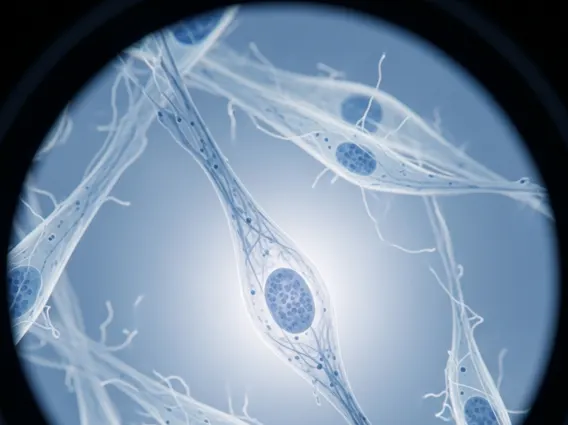
At its core, what is biomedicine refers to the scientific discipline that explores the biological and chemical processes underlying human health and disease. It is a broad and dynamic field that bridges basic scientific research with clinical practice, aiming to translate fundamental discoveries into practical applications for patient care. Essentially, biomedical science explained involves investigating how the body works, what goes wrong during illness, and how to intervene effectively. This often includes studying genetics, immunology, microbiology, pharmacology, and molecular biology to gain a comprehensive understanding of health challenges.
Applications of Biomedical Science
The practical impact of biomedical science is vast, touching nearly every aspect of modern healthcare. The applications of biomedicine range from developing new medications to creating advanced medical devices and public health interventions. This field is continuously pushing the boundaries of what is possible in medicine, leading to significant improvements in quality of life and life expectancy globally.
Advancing Diagnostics and Treatment
One of the primary contributions of biomedicine is the continuous advancement in diagnosing and treating diseases. Biomedical research has led to sophisticated diagnostic tools, such as advanced imaging techniques (MRI, CT scans), molecular diagnostics for early disease detection, and rapid tests for infectious agents. In terms of treatment, it underpins the development of new pharmaceuticals, targeted therapies for cancer, and innovative surgical procedures. For instance, the development of antiretroviral drugs, a direct result of biomedical research, transformed HIV/AIDS from a fatal disease into a manageable chronic condition.
Preventative Health Strategies
Biomedicine plays a critical role in preventing disease before it starts. This includes the development of vaccines, which have eradicated or significantly reduced the incidence of numerous infectious diseases worldwide. Vaccination programs, a cornerstone of preventive biomedicine, are estimated by the World Health Organization (WHO) to prevent 3.5 to 5 million deaths each year from diseases like diphtheria, tetanus, pertussis, influenza, and measles. Furthermore, biomedical insights contribute to public health initiatives, nutritional guidelines, and personalized risk assessments, empowering individuals to make informed choices for long-term health.
Frontiers in Biomedical Research
The future of healthcare is being shaped by groundbreaking biomedical research topics that promise revolutionary changes. These areas represent the cutting edge of scientific inquiry, addressing complex health challenges with innovative approaches and technologies.
Genomic Medicine and Gene Therapy
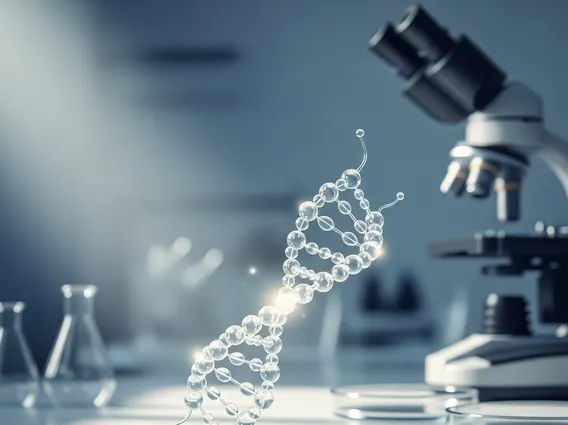
Genomic medicine harnesses an individual’s genetic information to guide personalized healthcare decisions, from disease prediction to drug selection. Advances in gene sequencing and editing technologies, such as CRISPR, are paving the way for gene therapy to correct genetic defects at their source. This offers unprecedented potential to treat previously incurable genetic disorders like cystic fibrosis and Huntington’s disease, moving beyond symptom management to address the root cause of illness.
AI and Personalized Healthcare
Artificial intelligence (AI) is rapidly transforming biomedicine, offering powerful tools for data analysis, drug discovery, and diagnostic accuracy. AI algorithms can process vast amounts of patient data to identify disease patterns, predict treatment responses, and even design novel therapeutic compounds more efficiently. This integration is crucial for the realization of truly personalized healthcare, where treatments are tailored precisely to an individual’s unique biological makeup and health profile, optimizing outcomes and minimizing adverse effects.