
Bergamot
Bergamot refers to a distinct class of natural compounds and extracts primarily derived from the citrus fruit Citrus bergamia, which are increasingly studied for their diverse clinical and therapeutic applications.
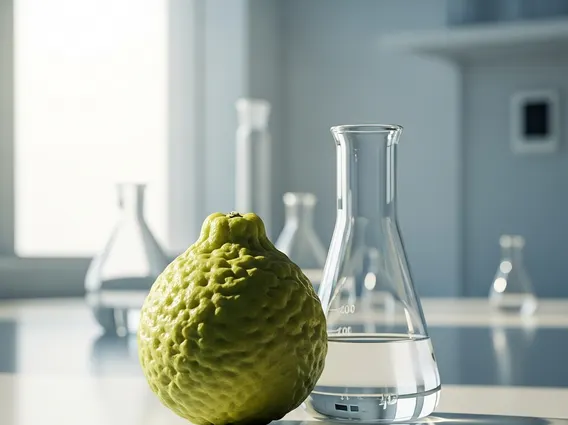
Key Takeaways
- Bergamot is a natural substance, typically an extract or essential oil, derived from the Citrus bergamia fruit, known for its unique phytochemical composition.
- Its clinical applications are being explored for potential benefits in cardiovascular health, anti-inflammatory responses, and antimicrobial actions.
- The primary source for medically relevant Bergamot extracts is the Calabria region of Italy, where the fruit is predominantly cultivated.
- Bergamot essential oil, particularly furanocoumarin-free (FCF) variants, is studied for its anxiolytic, antiseptic, and anti-inflammatory properties in therapeutic contexts.
- While promising, Bergamot-based therapies are complementary and should not replace conventional medical treatments without professional guidance.
What is Bergamot?
Bergamot is a term used in a clinical context to describe specific extracts and compounds originating from the fruit of the bergamot orange tree (Citrus bergamia). Unlike its common perception as a flavor or fragrance, in medicine, Bergamot is investigated for its complex profile of bioactive molecules. These include a rich array of flavonoids such as naringin, neoeriocitrin, and neohesperidin, alongside furanocoumarins like bergapten and psoralen. These constituents are the focus of scientific research into Bergamot’s potential health-promoting effects, distinguishing it as a subject of medical inquiry rather than a general commodity.
The study of Bergamot in clinical settings aims to understand how these natural compounds interact with biological systems to produce therapeutic outcomes. This involves rigorous research into its mechanisms of action, efficacy, and safety, particularly concerning standardized extracts and preparations designed for medicinal use.
Sources, Uses, and Benefits of Bergamot
The primary source for the Citrus bergamia fruit, from which medically relevant Bergamot extracts are derived, is the coastal region of Calabria in Southern Italy. This area provides the ideal climate and soil conditions for cultivating the fruit, making it the world’s leading producer of Bergamot for various applications, including clinical research and pharmaceutical sourcing. The extraction process typically involves cold-pressing the rind for essential oil or solvent extraction for specific flavonoid-rich fractions.
The clinical investigation into bergamot uses and benefits spans several areas, reflecting the diverse biological activities of its constituent compounds. Research suggests potential roles in:
- Cardiovascular Health: Studies indicate that Bergamot extracts may contribute to managing lipid profiles by supporting healthy cholesterol levels, particularly LDL cholesterol, and exhibiting antioxidant properties that protect against oxidative stress.
- Anti-inflammatory Effects: Certain flavonoids within Bergamot have demonstrated anti-inflammatory actions, which could be beneficial in conditions characterized by chronic inflammation.
- Antimicrobial Activity: Components of Bergamot have shown inhibitory effects against various microorganisms, suggesting potential as an antiseptic or in supporting immune responses.
- Metabolic Support: Emerging research explores its role in glucose metabolism and insulin sensitivity, though more extensive human trials are needed.
It is important to note that while these areas show promise, the use of Bergamot for medical conditions should always be under the guidance of a healthcare professional.
Properties of Bergamot Essential Oil
When considering bergamot essential oil properties in a clinical context, the focus shifts to its therapeutic potential derived from its chemical composition. The oil is rich in monoterpenes and esters, with key components including limonene, linalyl acetate, and linalool. These compounds are believed to contribute to its observed effects, such as anxiolytic (anxiety-reducing), antiseptic, and anti-inflammatory properties, which have been explored in various clinical and preclinical studies.
A significant consideration for medical applications of Bergamot essential oil is the presence of furanocoumarins, particularly bergapten. These compounds can cause photosensitivity, leading to skin reactions upon sun exposure. Consequently, furanocoumarin-free (FCF) Bergamot essential oil is often preferred in clinical and dermatological preparations to mitigate this risk, allowing for safer topical application in therapeutic settings. Research continues to elucidate the precise mechanisms by which these properties manifest, aiming to integrate Bergamot essential oil into evidence-based complementary health strategies.
The information provided regarding Bergamot and its potential applications is for supportive purposes only and does not constitute medical advice. It should not be used as a substitute for professional medical treatment or diagnosis. Always consult with a qualified healthcare provider before making any decisions about your health or treatment plan.



















