
Bcrp
BCRP, or Breast Cancer Resistance Protein, is a crucial efflux transporter protein that plays a significant role in the pharmacokinetics of many drugs and the body’s defense against toxins. Understanding its function is vital in fields ranging from pharmacology to oncology.
Key Takeaways
- BCRP is an ATP-binding cassette (ABC) transporter protein, also known as ABCG2.
- Its primary function is to actively pump various substrates, including drugs and toxins, out of cells.
- BCRP is widely expressed in tissues like the intestine, liver, kidney, and blood-brain barrier, influencing drug absorption, distribution, and elimination.
- It contributes significantly to multidrug resistance in cancer therapy, reducing the effectiveness of chemotherapy agents.
- Modulating BCRP activity is a strategy explored to improve drug efficacy and overcome resistance in various clinical settings.
What is BCRP: Definition and Meaning
BCRP (Breast Cancer Resistance Protein), also known as ABCG2, is a member of the ATP-binding cassette (ABC) transporter superfamily. These proteins are integral membrane proteins that utilize the energy from ATP hydrolysis to actively transport a wide array of substrates across biological membranes. The World Health Organization (WHO) highlights cancer as a leading cause of death globally, underscoring the importance of understanding mechanisms like BCRP that impact treatment.
The BCRP meaning and significance lie in its role as an efflux pump, which means it actively expels substances from inside the cell to the outside. This function is critical for cellular protection against harmful xenobiotics, including environmental toxins and various therapeutic drugs. Its expression and activity are key determinants in how the body handles drug absorption, distribution, metabolism, and excretion (ADME).
BCRP Protein’s Function and Mechanism
The BCRP protein role in human body is multifaceted, primarily involving the active transport of a diverse range of substrates. BCRP is strategically located in various tissues, acting as a biological barrier. For instance, in the intestinal lining, it limits the oral absorption of many drugs, while in the liver and kidneys, it facilitates their excretion into bile and urine, respectively. At the blood-brain barrier, BCRP restricts the entry of drugs into the central nervous system, protecting the brain from potentially harmful compounds.
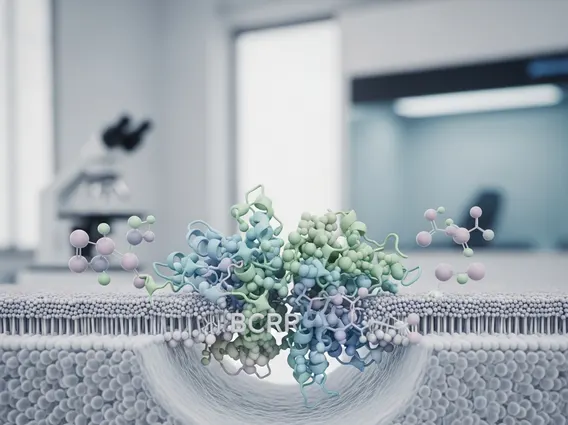
Understanding BCRP mechanism reveals an ATP-dependent process. BCRP binds to its substrate on the intracellular side of the membrane, then uses the energy released from ATP hydrolysis to undergo a conformational change, effectively “flipping” the substrate to the extracellular side. This active efflux mechanism allows cells to maintain low intracellular concentrations of various compounds, including chemotherapeutic agents, antibiotics, and dietary toxins. Its broad substrate specificity makes it a significant player in drug-drug interactions and individual variability in drug response.
Key locations where BCRP is highly expressed and exerts its protective and regulatory functions include:
- Gastrointestinal Tract: Limits oral bioavailability of many drugs.
- Liver: Contributes to biliary excretion of drugs and metabolites.
- Kidney: Involved in renal elimination of various compounds.
- Blood-Brain Barrier: Protects the brain from xenobiotics and drugs.
- Placenta: Shields the fetus from maternal drug exposure.
- Hematopoietic Stem Cells: Contributes to the stem cell phenotype and drug resistance.
Clinical Significance and Drug Resistance
The clinical significance of BCRP is profound, particularly in pharmacology and oncology. Its ability to efflux drugs from cells directly impacts drug efficacy and toxicity. In cancer treatment, BCRP is a major contributor to multidrug resistance (MDR), where cancer cells develop resistance to a wide range of structurally and functionally unrelated chemotherapy agents. This occurs because BCRP actively pumps these drugs out of the cancer cells, preventing them from reaching their therapeutic targets and inducing cell death.
Beyond cancer, BCRP influences the pharmacokinetics of numerous clinically important drugs, including statins, antibiotics, and antiviral medications. Genetic variations (polymorphisms) in the ABCG2 gene, which encodes BCRP, can alter its expression or function, leading to inter-individual differences in drug response and susceptibility to adverse drug reactions. Researchers are actively exploring strategies to inhibit BCRP activity, often in combination with chemotherapy, to overcome drug resistance and improve treatment outcomes for patients with various diseases.



















